











National minorities must be able to preserve their traditions and identity, but proficiency in the Lithuanian language is essential for children’s education, integration and future careers, experts said during a recent national forum on minority rights.
The discussion comes as more families in minority communities – including in Visaginas, one of Lithuania’s most multilingual cities – are choosing Lithuanian-language schools for their children, reflecting a broader debate over how best to balance cultural preservation with equal opportunities.
The issue was explored at the National Human Rights Forum during a panel titled “Children of National Minorities: How to Preserve Identity and Grow Into Full Citizens”.
Recent assessments show that academic results of students attending minority-language schools have slightly improved in recent years but still lag behind those of students studying in Lithuanian. Experts warned that educating children in separate ethnic school systems can deepen divides between communities and contribute to social isolation, even if it helps preserve language and culture.
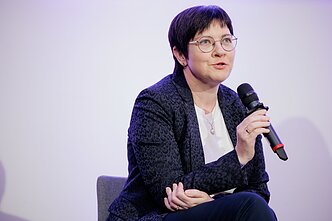
Anna Grigoit, head of LRT’s National Minorities Content Group, said minorities in Lithuania generally feel secure but acknowledged that challenges remain.
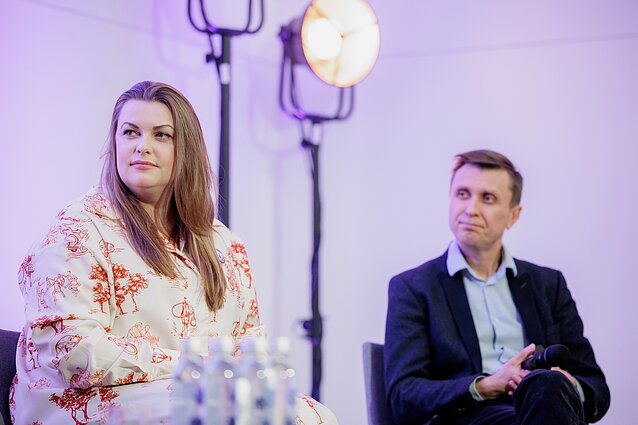
“As a Lithuanian Pole, I feel good in Lithuania,” Grigoit said. “Of course, there is room to improve and to grow, and there are still things we need to talk about.”
Vytautas Magnus University Rector Ineta Dabašinskienė said Lithuania has made significant progress over the last three decades, though advances are sometimes more visible in legislation than in everyday life.
“We have strong legal frameworks and follow European standards,” she said. “But in practice, everyday life does not always reflect that diversity as positively as we would like.”
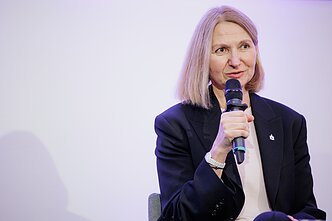
Children’s Rights Ombudsperson Edita Žiobienė said progress in human rights is never complete and warned that Lithuania neglected minority issues for more than a decade after the expiration of its Law on National Minorities in 2011.
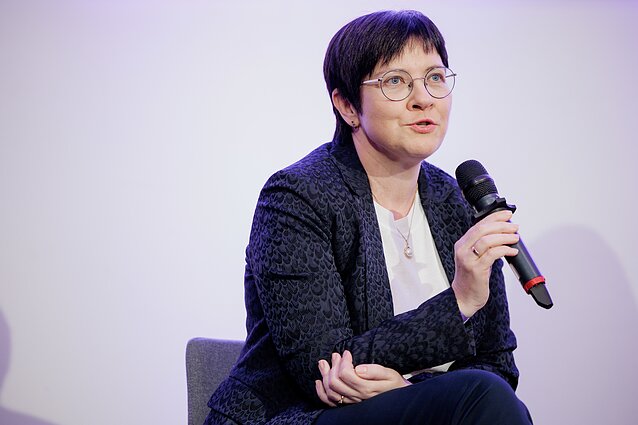
“That period showed that there are areas where the state must wake up and recognise the need to talk about our society and our communities,” she said.
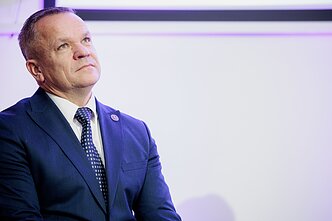
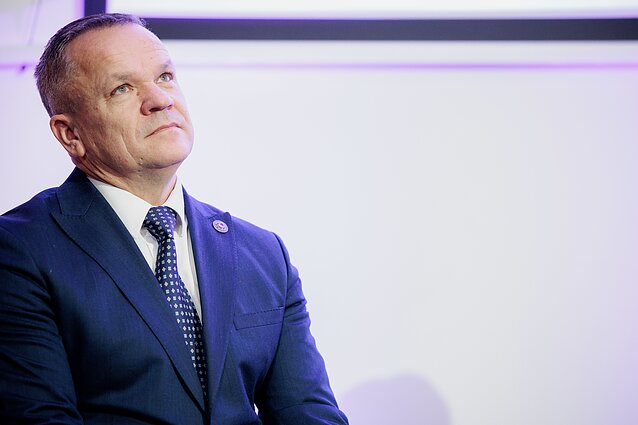
Visaginas Mayor Erlandas Galaguzas said the fact that a Lithuanian-speaking mayor leads a largely Russian-speaking town shows that human rights and democratic participation are functioning. He added that Visaginas, often labelled a Russian town, is home to people of more than 40 nationalities.
“All nationalities find common ground and shared solutions,” Galaguzas said. “It’s not perfect, but overall it works.”
Grigoit, who is raising three children enrolled in Polish-language schools, said she feels fully at home in Lithuania. She acknowledged that her youngest child sometimes lacks confidence in Lithuanian, but said her older children now feel comfortable using the majority language in competitions and daily life.
She argued that children learn best in their native language but stressed that Lithuanian should be introduced early, starting in kindergarten.
“Children are very capable. We shouldn’t underestimate them,” she said.
Although her children attend Polish-language schools, all their extracurricular activities – including music schools and clubs – are conducted in Lithuanian.
“We consciously choose environments where children naturally hear and speak Lithuanian,” she said.
Dabašinskienė noted that minority students’ results have improved in recent years but said Lithuania lacked a long-term education strategy for minority children.
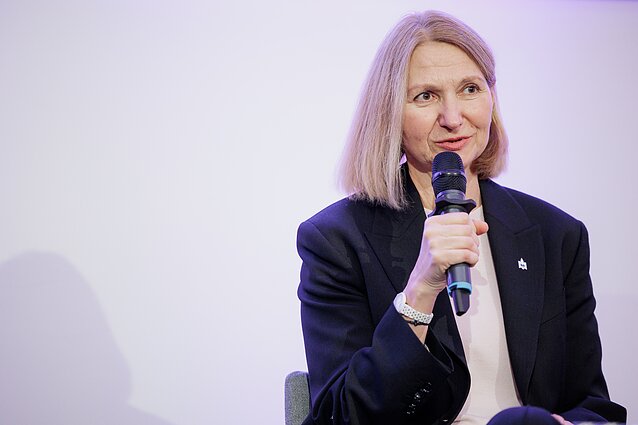
“When people ask why they don’t speak Lithuanian well, we shouldn’t blame the children,” she said. “There was no consistent, long-term policy.”
She said democratic countries must protect minority identity while ensuring integration, adding that strong Lithuanian-language skills are essential for participating fully in society.
Language proficiency varies by region, but minority students generally perform worse on Lithuanian language exams. That can limit access to higher education and career opportunities, she said.
“We need to open two doors,” Dabašinskienė said. “Support families who preserve their identity while also ensuring children integrate and understand the value of Lithuanian for education and careers.”
Grigoit noted that this year marked a milestone, with Polish- and Lithuanian-language students performing at nearly the same level on the national Lithuanian language and literature exam for the first time.
Mayor Galaguzas said minority-language schools can unintentionally burden students, as curricula and textbooks are in Lithuanian, requiring constant translation.
“Children read in Lithuanian, translate it, and respond in their native language,” he said. “That can overload them and affect results.”
He said more parents in Visaginas are choosing Lithuanian-language schools, prioritising their children’s future opportunities while still preserving traditions at home.
Dabašinskienė stressed that language skills also help children build broader social networks beyond their own ethnic groups.
Žiobienė said Europe remains divided on minority education. Western Europe has largely abandoned separate minority schools, while Central and Eastern Europe continue to maintain them. Estonia and Latvia are phasing out Russian-language schools in favour of instruction in majority languages, a path Lithuania has not taken.
“Should minority schools be closed? Probably not,” Žiobienė said. “But the real question is what the state provides to ensure children’s best interests.”
Dabašinskienė said Lithuania’s historical context differs from that of its Baltic neighbours and noted that minority schools have long existed in the country.
“Because of our history, the situation has always been different,” she said.

Newsletter
Every Friday morning.