














About one in five residents in Lithuania lives in poverty, the State Data Agency (VDA) reported, with the most affected groups including people struggling to enter the labour market, pensioners and those with disabilities.
Alekas, 30, has a passion for cooking but has been unable to find work as a chef for over a year.
“I see ads for assistant cooks. But when you call – thank you, we already have someone. You know how it goes. Still, hope dies last,” he said.
He lost his home a year ago and now stays in a shelter, visiting a charity soup kitchen almost every day. In the afternoons, the centre is full, serving hundreds of people, including seniors, the disabled, recently released prisoners, and the homeless.

Ingrida Radzevičė, director of the Betanija Social Centre, said younger people are increasingly seeking help.
“There are very young people, 20 or a little older, as well as young mothers with children. Some have returned from working abroad, where they were cheated and not paid. Here, they have lost their homes and sometimes broken ties with family. The stories are very diverse,” Radzevičė said.
Aistė Adomavičienė, director of the National Poverty Reduction Network, said young adults aged 18–24 are at the highest risk of poverty because they are often just entering the workforce.

Children and people with disabilities make up a significant portion of those in poverty, she said, while public misconceptions persist that poor people are lazy or living solely on state aid.
“In Lithuania, only about 4% of welfare recipients could potentially work but do not. Children make up a quarter of those in poverty, and people with disabilities are another portion. About 15,000 could potentially work,” Adomavičienė said.
Poverty is unevenly distributed, she added, with rates in Vilnius and surrounding areas roughly half of those in other parts of the country.
Daiva Skučienė, a professor at Vilnius University’s Faculty of Philosophy, said structural issues contribute to the problem, including lack of jobs, inconvenient transport, and limited options for young mothers balancing childcare and work schedules.
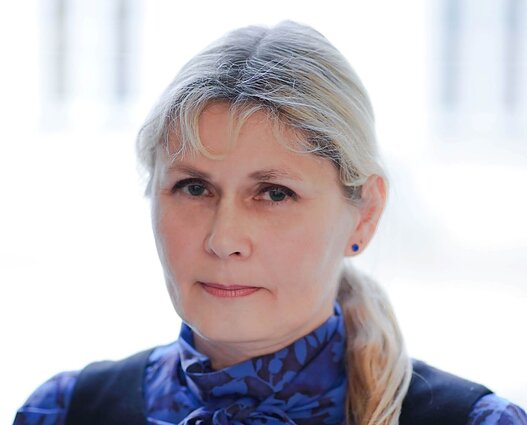
“People may lack motivation, and some grow up in families where skills are not developed. Various structural factors play a role, which is why social welfare systems focus on early support, because it’s much harder to recover later,” Skučienė said.
She added that shifts in the labour market also affect poverty: people with skills can become unemployed if they do not adapt to changing demands.
Eurostat data show Lithuania’s poverty rates have remained among the highest in the European Union for many years.

Newsletter
Every Friday morning.