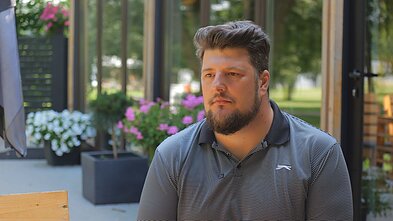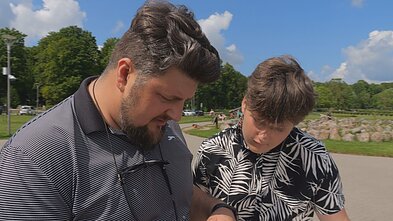











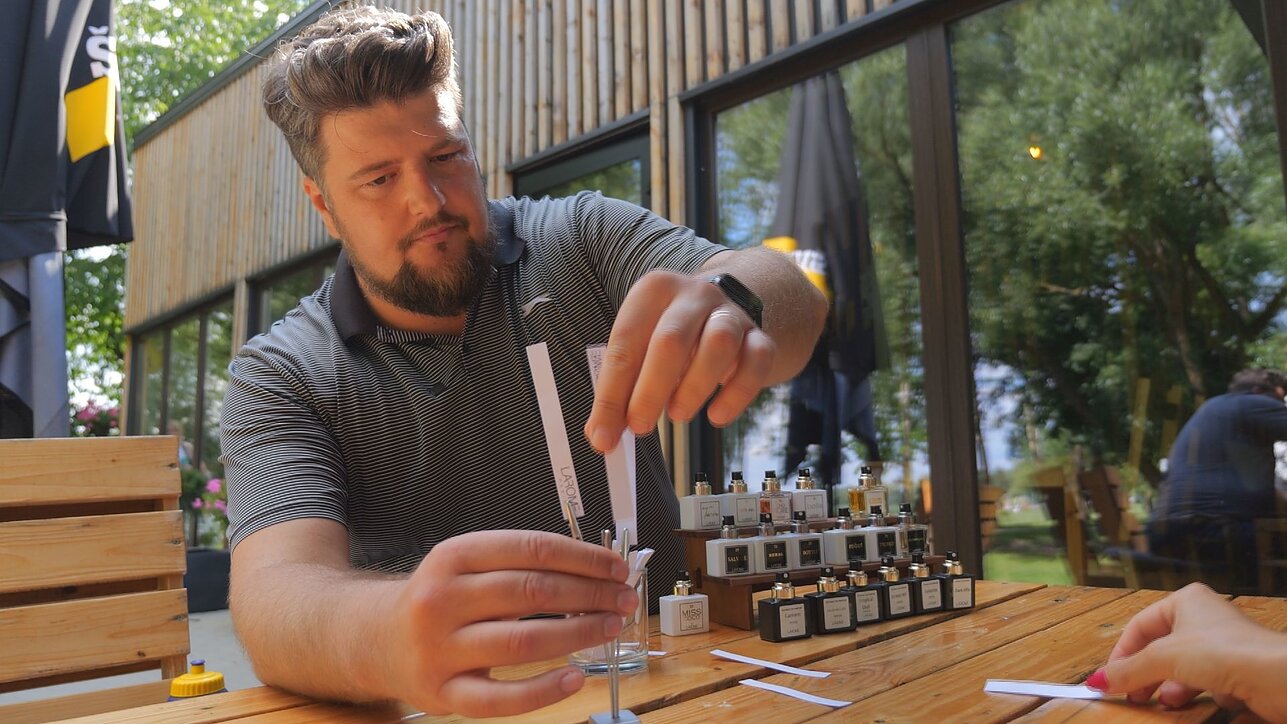
After living and working in several countries under vastly different conditions, Šiauliai native Justas Osipovas says he has finally found his place, both professionally and personally, back in Lithuania, where he is building a niche perfume business.
Osipovas’ story was featured on LRT TV’s program (Ne)emigrantai, which profiles Lithuanians who have lived abroad and returned home.
Life on Guernsey Island
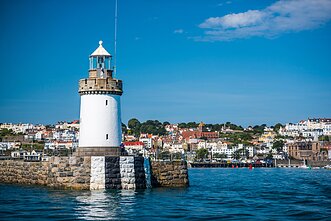
One of the defining chapters of Osipovas’ life was spent on the island of Guernsey in the English Channel, a self-governing British Crown dependency known for its strict rules for foreigners. He arrived there about 15 years ago seeking a fresh start, without clear plans for work or long-term residence.
“It was a difficult period in Lithuania. I wanted a new start and to earn money,” Osipovas said, recalling how a friend helped him relocate by covering travel costs and offering accommodation.
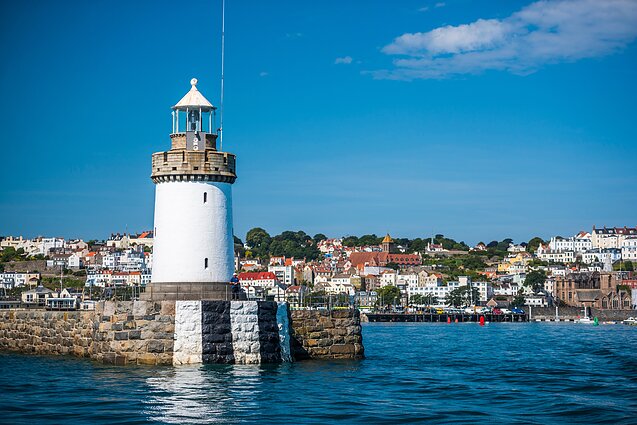
He soon found work in a pub-style bar that also served food, a role that differed from his previous bartending experience in Lithuania. Living on Guernsey exposed him to a blend of British and French cultural influences, though adjusting was not easy due to the local accent, food and strict residency rules.
Under Guernsey law, foreigners may reside on the island for only a limited time unless their employer secures a special work permit. Housing is also tightly regulated, with significantly higher prices for non-residents.
“The system is designed so people don’t put down roots, because life on the island is very good,” Osipovas said.
Family ties and years on the move
While on Guernsey, Osipovas met his future wife, Kristynė, a Latvian national who had also come to the island for work. The couple later moved to Latvia for the birth of their son, though Osipovas struggled to establish himself there due to language barriers and eventually returned to Lithuania to study media design.
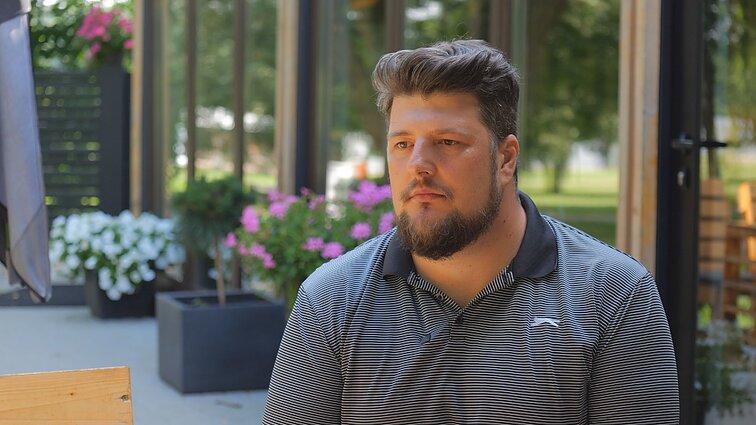
For several years, the family lived between countries, a period Osipovas described as emotionally challenging. Eventually, they reunited in the United Kingdom, settling in Boston, England, a town with a large Lithuanian migrant community.
Osipovas found work as a videographer, while the local Lithuanian community provided social and emotional support. Still, he said anti-immigrant sentiment intensified during the Brexit period, particularly in areas with large numbers of foreign workers.
Return to Lithuania
Despite stable work and income in the UK, Osipovas said he increasingly missed Lithuania, especially its natural environment. After three years abroad, the family returned to Šiauliai, where he found a job matching his professional skills and resumed work in digital media.
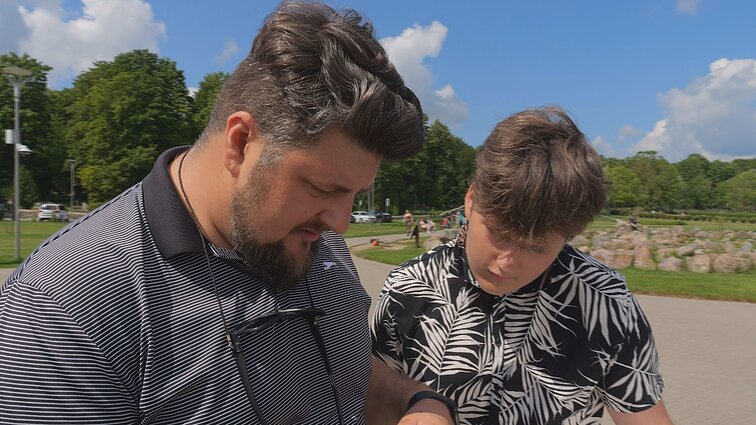
Back in Lithuania, Osipovas and his wife welcomed their second son. Around the same time, he began exploring a long-standing interest in perfumery.
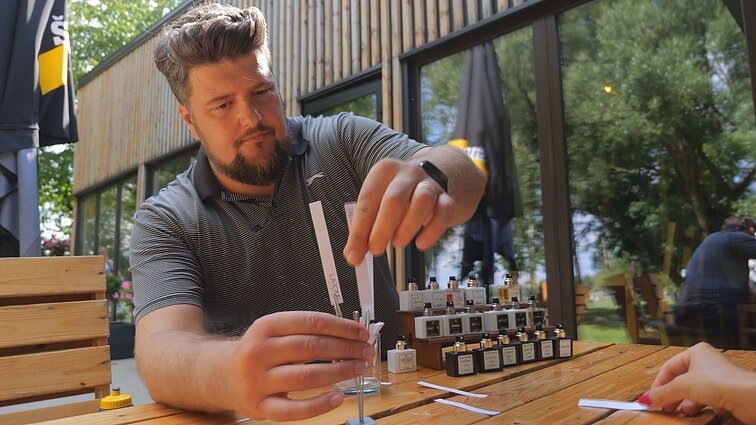
“I’ve always had a good sense of smell and loved fragrances,” he said. While initially considering creating his own perfumes, he opted instead to start by selling niche fragrances, recognising the time and training required to develop original scents.
Building a perfume business
Osipovas says Lithuanian consumers tend to be conservative when choosing perfumes, often relying on recommendations and favouring light, familiar scents. Still, he has noticed a growing interest in niche fragrances and perfume etiquette, such as selecting different scents for different occasions or layering fragrances.
“People are slowly learning to understand perfume – how it evolves over time and interacts with the skin,” he said.
He believes Šiauliai is well suited for developing a perfume business due to its strong beauty industry and concentration of salons. While he has postponed plans to create a perfume under his own name, Osipovas says the ambition remains.
“I haven’t abandoned that dream,” he said. “Everything happens in its own time.”

Newsletter
Every Friday morning.