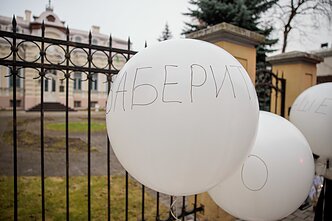









Lithuania’s presidency signalled a de-escalation in tensions with Belarus after Minsk released more than 100 political prisoners and pledged to halt the launch of smuggling balloons into Lithuania, even as debate intensifies over US and European sanctions on Belarusian potash fertilisers.
The Lithuanian president’s office said the situation had eased following the releases and assurances given by Belarusian leader Alexander Lukashenko to US officials. Lithuanian officials denied that Washington was pressuring Lithuania or Europe to lift sanctions on Belarusian fertilisers, despite the United States easing its own restrictions.
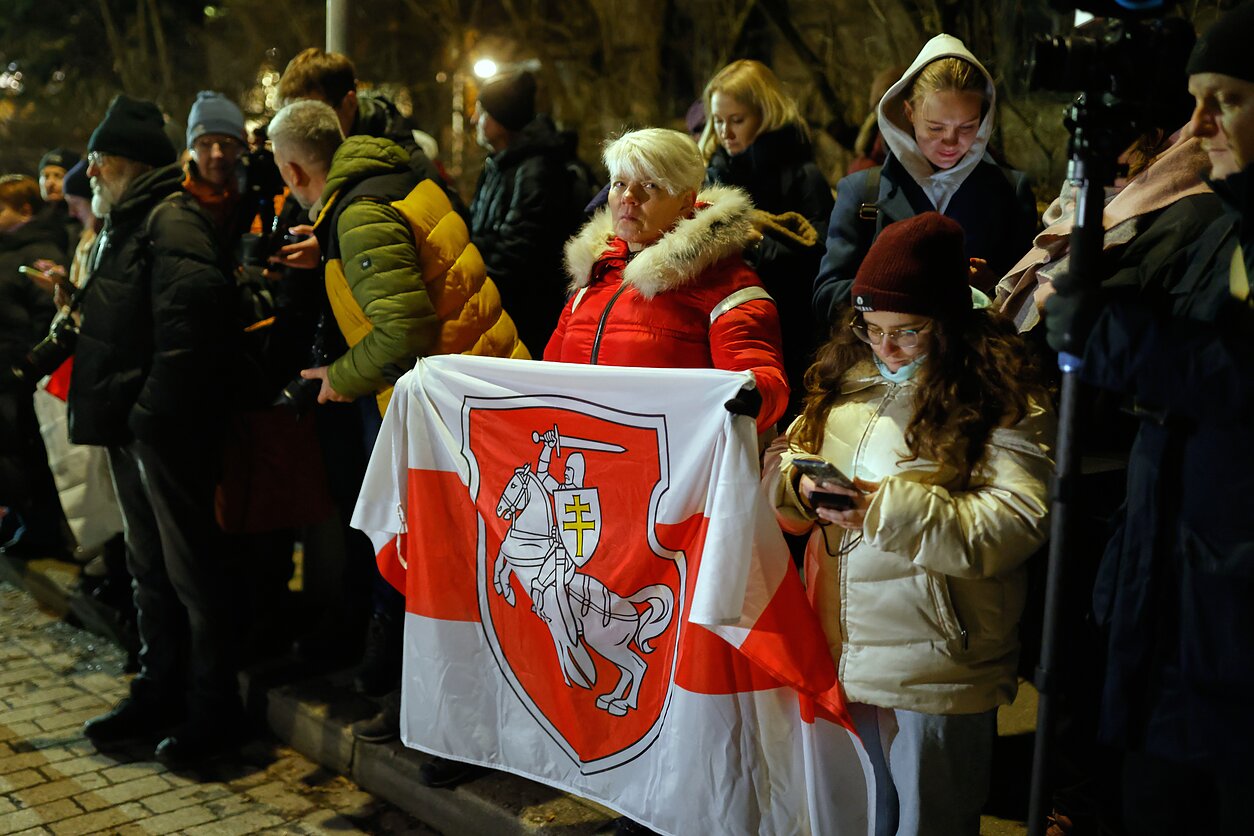
Belarusian opposition figures, however, said US actions were aimed at saving dissidents’ lives, while Europe must continue to help preserve Belarus as a country by maintaining pressure on the current regime in Minsk.
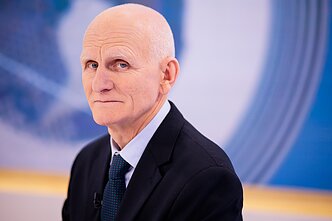
Just days ago, Nobel Peace Prize laureate Ales Bialiatski was still imprisoned in Belarus. On Monday, he appeared at Lithuania’s presidential palace.
“We understand that we were exchanged for lifted sanctions. Realising that you are a commodity is not pleasant,” Bialiatski said. “But it is important to understand that freeing political prisoners matters most.”
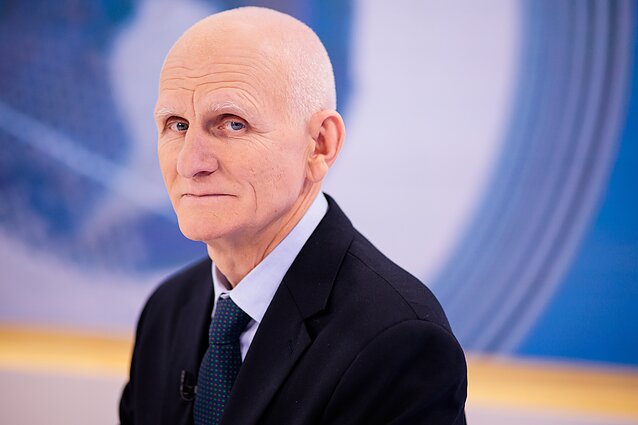
Bialiatski said sustained pressure was essential. “The Belarusian authorities must be spoken to from a position of strength, because the regime only understands the language of force,” he said.
The message from Washington has been different. After Belarus released more than 100 detainees, the United States moved to ease sanctions on Belarusian potash fertilisers.
Vilnius-based Belarusian opposition leader Sviatlana Tsikhanouskaya downplayed the impact, saying that without transit through the European Union it would remain difficult to transport potash. European sanctions on Belarusian fertilisers remain in place until February, and EU diplomatic leaders have expanded criteria for sanctions to include hybrid attacks and disruptions to critical infrastructure.
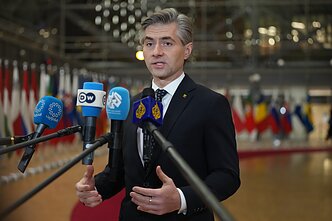
Lithuanian Foreign Minister Kęstutis Budrys said there was no basis for easing EU sanctions, citing continued human rights abuses, repression and Belarus’ support for Russia.
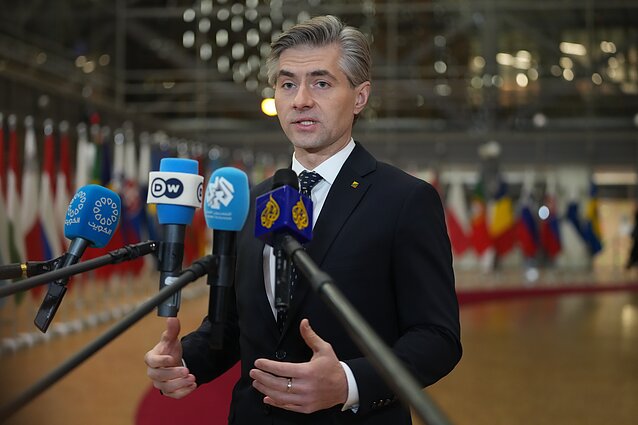
While Budrys spoke in Brussels about the need for tougher measures, the tone from Lithuania’s presidency softened after Lukashenko promised the United States to stop the balloon flights.
“Now is the time to slightly de-escalate the situation,” said Deividas Matulionis, the president’s chief adviser. “We have no grounds to go further and raise the temperature.”
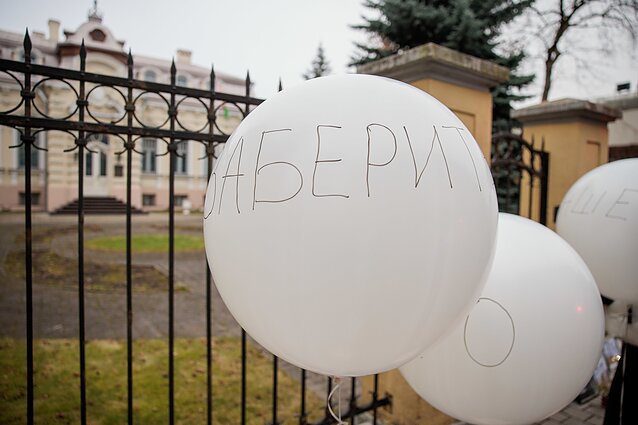
Vilnius University professor Tomas Janeliūnas said Lithuania was caught between two unpredictable actors. “On one side is Lukashenko, whom we cannot trust. On the other are the Americans, who have pragmatic, short-term goals,” he said.
Former Foreign Minister Gabrielius Landsbergis warned that US moves could spark similar debates in Europe. “How do we look after fighting for sanctions for so long, while still experiencing hybrid attacks with balloons, and then suddenly raising a white flag?” he said.
Analysts like Janeliūnas argue Minsk likely asked Washington to engage Europe as well and Lukashenko is counting on US pressure on Lithuania. Presidential adviser Matulionis, meanwhile, assured no direct pressure from Washington had been felt.
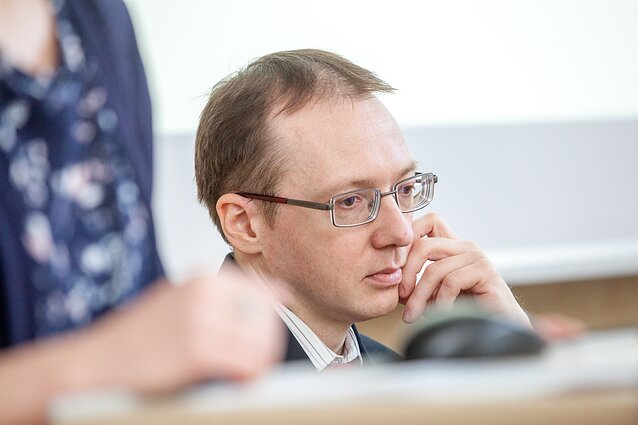
Lithuanian officials said they were now waiting to see whether Lukashenko would honour his promises. “We must always remain sceptical,” Vice Foreign Minister Audra Plepytė said. “A promise has been given to the United States.”
The Belarusian opposition urged Europe not to trust Minsk and drew a distinction between US and EU roles. “Americans are saving lives,” Tsikhanouskaya said. “I believe the European Union must help Belarusians preserve their country.”
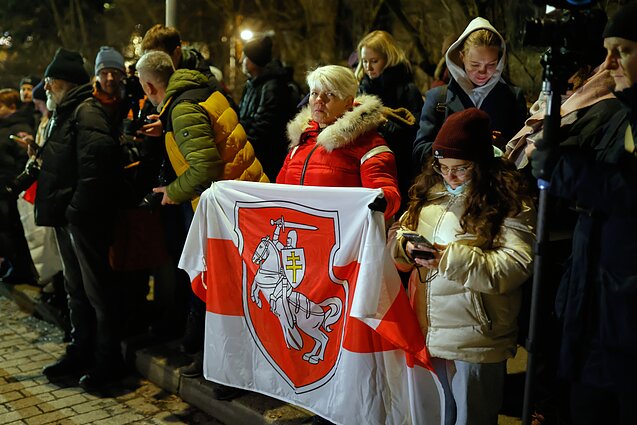
Opposition figures and analysts said the situation remains unresolved, noting that about 1,000 political prisoners remain jailed in Belarus.

Newsletter
Every Friday morning.