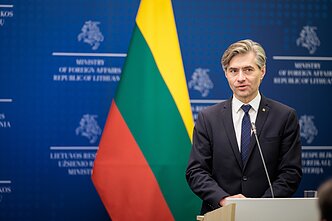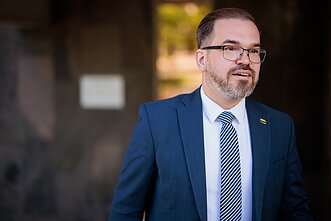















Europe should not overreact to the idea of confiscating frozen Russian assets to support Ukraine, Lithuania’s central bank governor and European Central Bank Governing Council member Gediminas Šimkus said in an interview with Politico.
Šimkus argued that a Russian victory would damage confidence in the euro more than any reputational risk caused by seizing Moscow’s funds.
“Wouldn’t we ultimately end up in a situation that creates an even greater risk to the euro? We cannot focus only on one aspect,” Šimkus said, warning that a failure to provide Ukraine with sufficient resources to continue its defence could destabilise the common currency.
The remarks come ahead of a meeting of EU leaders this week in Copenhagen, where governments are expected to discuss a new plan to finance Ukraine’s war effort. According to Politico, there are growing signs European leaders are more willing to take risks, as US support for Kyiv becomes less certain.
Efforts to seize Russian central bank reserves have drawn opposition from Moscow as well as from within the ECB.
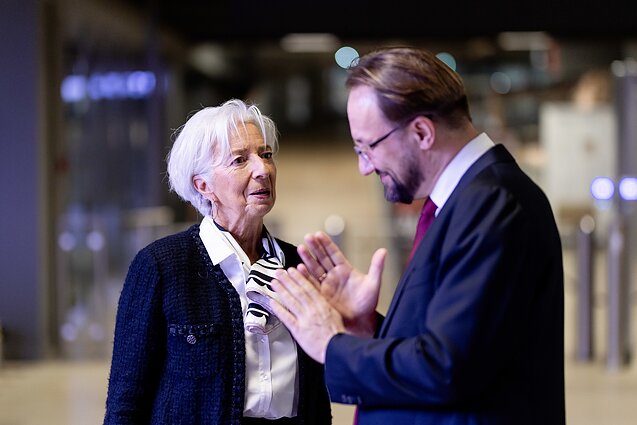
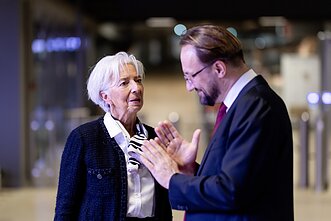
ECB President Christine Lagarde has warned that confiscating state-immune assets could discourage other countries from holding reserves in euros, undermining the bloc’s push to establish the euro as a global reserve currency. Greater international reliance on the euro would strengthen Europe’s economic influence and lower borrowing costs for its governments and companies.
But Šimkus argued that euro stability cannot be assessed solely through that lens. If Ukraine were to lose the war, he said, the risk of conflict spilling into neighbouring EU states would rise – a scenario that could inflict far more damage on investor trust in the euro than using frozen assets ever would.

Newsletter
Every Friday morning.