















Despite fluctuating interest rates and ongoing geopolitical uncertainty, real estate remains an attractive investment for those seeking not only to preserve capital but also to earn returns in Lithuania, according to real estate experts.
Since last year, rising interest in property and improved affordability have boosted demand for housing loans. For instance, in the first quarter of this year, Swedbank issued €277 million in housing loans – the highest quarterly result in the bank’s history – and many of these purchases were made for investment purposes.
Marius Čiulada, manager of Ober-Haus’s Vilnius Old Town Office – the largest real estate company in the Baltics – explained that returns on property investments come from rental income and the increase in property value over time.

He also pointed out that renting property is a low-effort way to earn extra income. “Property rental doesn’t require any special training or high involvement, making it a suitable form of passive income,” Čiulada noted.
According to the real estate expert, typically, rental yields (before taxes and upkeep) are about 5%, while property prices can grow an average of around 10% annually. Housing prices in Vilnius, for one, have more than doubled (up 108%) since 2015, based on the Ober-Haus index.
Combining a 5% rental yield with a 10% increase in property value gives about 15% total returns. After costs and taxes, even by most conservative measures returns are still likely to be around 10%, said Čiulada.
Waiting could cost thousands
Waiting for “better times” to buy property may mean missing out, warns Eglė Savostė, head of analysis at Citus. Take a new 44 sq m two-room apartment for example. At the start of the year, with EURIBOR interest at 2.6%, it cost about €150,000. Today, EURIBOR is lower at 2.1%, but the price of the same apartment has risen by 6.5% – to nearly €160,000.
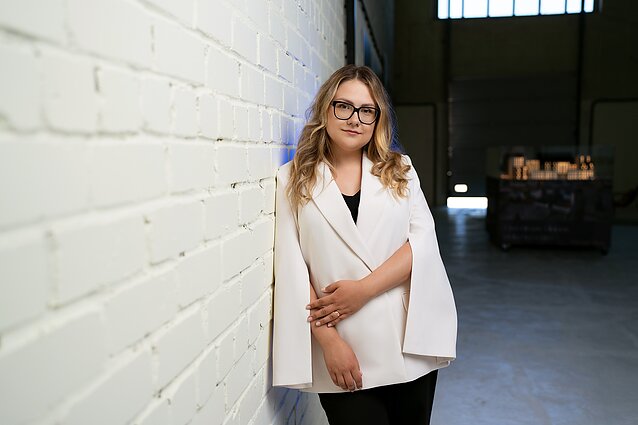
“In other words, the ‘price’ of waiting a year could reach almost €18,000,” Savostė calculated.
Waiting for interest rates to drop is unlikely to save money – rising property prices will increase the loan amount, which effectively wipes out any benefit from a lower interest rate. Furthermore, for the same 44 sq m apartment, lost rental income during a half-year wait could total €4,000. In summary, waiting six months could cost about €12,000 due to rising prices and lost rent, Savostė concludes.
Invest where you know
Čiulada believes there is no clear investment “favourite” among Lithuanian cities. Investors should buy property where they live, and where they know the local market.
While geopolitical uncertainty may dampen investor expectations, Lithuania's market remains active. Though the era of zero rates won’t return, many expect interest rates to fall a bit further. “So, if you find the right property, there’s no reason to wait,” suggested Čiulada.

According to Savostė, without a loan, a new two-room apartment in a mid-range neighbourhood would pay off in 19–22 years in Vilnius and 17–20 years in Kaunas, Lithuania's second-largest city. With a mortgage, relying on rental income alone to cover costs is unrealistic – such a strategy would depend on long-term value appreciation rather than consistent cash flow, she added.
Property prices on the rise
Real estate prices have shown steady growth over the long term, despite short-term fluctuations, reassured Mykolas Čiplys, sales and rentals head at developer Darnu Group. For example, in Vilnius, average prices per square metre in new developments have more than doubled over the past decade, now around €3,600, based on Darnu Group calculations.
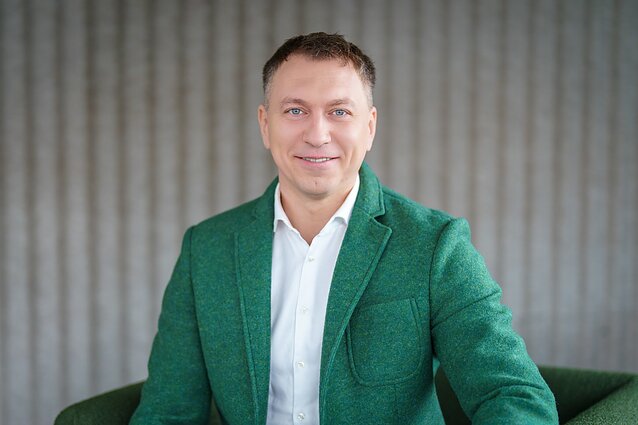
“We expect moderate growth of 5–7% in the near future,” Čiplys forecasted. Falling mortgage rates, alongside declining EURIBOR, rising household incomes, and gradually improving affordability are all supporting this trend.
Most investors choose smaller 1–2 room flats, prioritising location, transport, layout, and building materials. “Such properties are easier to rent and resell with substantial capital gains without major reinvestment,” Čiplys explained.
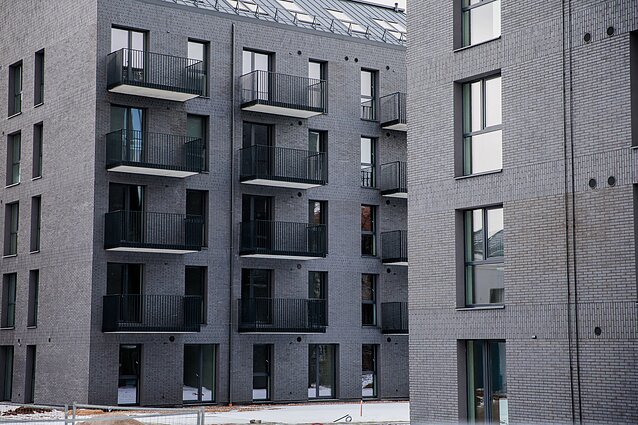
Nevertheless, the real estate expert claims that location remains the key factor in investment decisions. Good locations aren’t just defined by the name of its district or city – they are areas with strong local development and sustainable growth, which can raise property values by tens of percent, noted Čiplys.
Risks to consider
Šarauskas advised investors to carefully consider how they will finance their purchase – with savings or loans. “If borrowing, consider the cost of loan repayment,” he cautioned, also warning about possible changes to property taxes, which could affect owners with multiple properties.
Savostė reminded that real estate investments carry risks, including the high upfront costs, especially for new builds in big cities. There is also the risk of choosing the wrong market segment and the possibility of new regulations.
Active discussions around changes to real estate taxation – particularly for owners of multiple properties – and increased scrutiny of the rental market mean the sector could face additional regulation in the near future.

Newsletter
Every Friday morning.