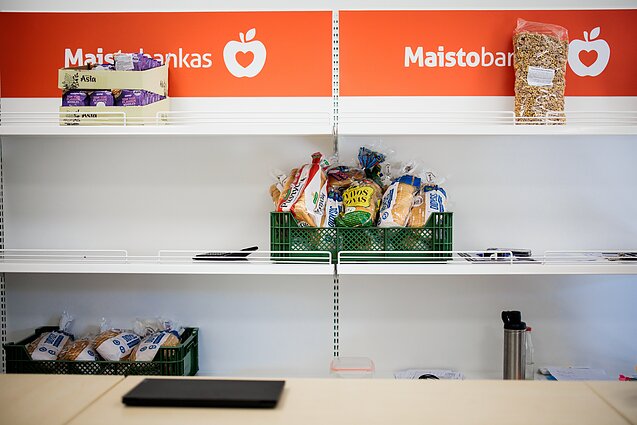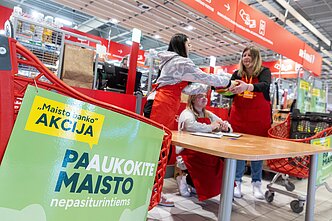











Regional branches of the charity organisation Maisto Bankas (Food Bank) are facing a growing shortage of food supplies as supermarkets donate fewer products to “food boutiques” – distribution points aimed at helping low-income residents. In some districts, struggling families are left without any food assistance at all.
In Šiauliai, the local food boutique has operated for about a year, distributing food five days a week and serving around 100 people daily.
“It’s good for me – my pension is small,” one elderly woman told LRT TV.
“It’s hard – food has definitely become more expensive. You can feel it. I also get a small pension,” another added.
On average, people in need receive around 5 kilograms of food per quarter. Recently, a local farmer donated carrots, providing a rare addition to regular supplies.
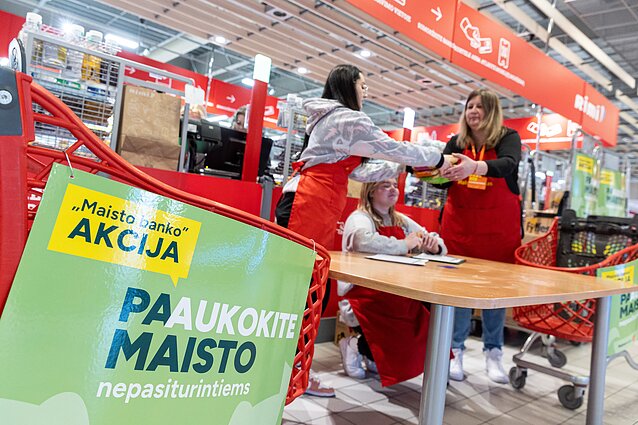
Volunteers say recipients are becoming less selective about the food they receive, though some products – such as avocados or asparagus – are often turned down due to unfamiliarity.
“It’s sad when people don’t recognise certain foods because they’ve never had them on their tables. But it’s also rewarding to introduce them and explain how they can be prepared,” said volunteer Ingrida Molnikaitė.
The most in-demand items are cooking oil and meat, but these are increasingly rare. According to Mamertas Jarošius, head of the Šiauliai Food Bank branch, donations of dairy and meat from supermarkets have decreased sharply.
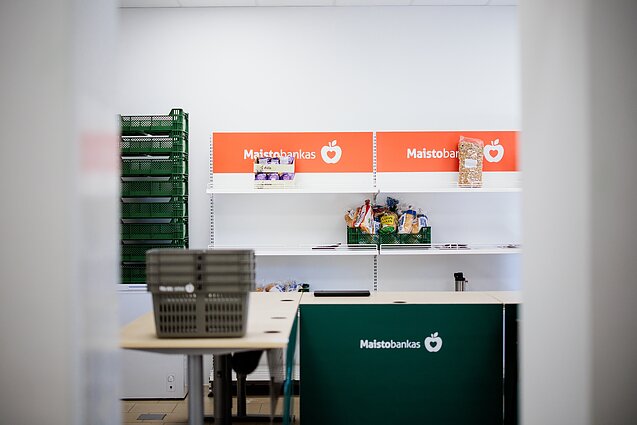
“There’s definitely a reduction in food from retail chains. We receive very little meat and dairy – probably just once a week,” Jarošius said.
Smaller towns are hit even harder, with limited supermarket presence and fewer donations. In some districts, there are no food boutiques at all. In Pakruojis, where about 15% of residents live in poverty, there is no regular food distribution.
“There’s definitely a shortage of suitable premises, and we only have two larger supermarkets involved in the donation programme. I know that one store supports children’s day centres,” said Daiva Rutkevičienė, head of the Pakruojis social welfare department. “We did receive a letter from the Food Bank offering help in urgent cases – last year, a few families received support that way.”
Maisto Bankas operates 40 food boutiques across Lithuania, supporting about 230,000 people. The organisation distributes around 6,700 tons of food annually. According to the Food Bank, one in seven people in the country lacks sufficient food.

Newsletter
Every Friday morning.