
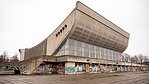











A series of high-profile concerts at Darius and Girėnas Stadium this summer is expected to draw tens of thousands of music fans to Kaunas – and potentially inject millions of euros into the local economy.
The influx of visitors from neighbouring countries, combined with increased demand for accommodation, dining, transportation and other services, could help position Kaunas as a key cultural destination in the Baltic region and beyond.
A-list summer lineup
The city will host four major international acts over the summer, transforming the stadium into a magnet for music lovers from across Lithuania and abroad.
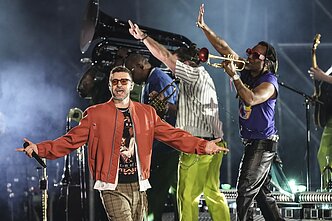
Pop superstar Justin Timberlake will open the season on June 6 with his “Forget Tomorrow” tour. Tickets for the show sold out rapidly.
A month later, on July 10, legendary rock band Guns N’ Roses is set to take the stage. Tickets are still available, ranging from around €80 to over €1,000 for VIP experiences that include backstage access.

On August 1, British pop icon Robbie Williams will return to Lithuania. Ticket prices range from approximately €80 to nearly €500.
The summer concert series will conclude on August 21 with a performance by American artist Post Malone. His show in Kaunas will be the only stop in the Baltics on his global “Post Malone Presents: The Big Ass World Tour”. Ticket prices vary from €90 to €568.

Tourism boost from abroad
While estimating the financial impact of concert tourism can be complex, experts agree that local sectors – including hospitality, food services, transportation and entertainment – stand to benefit significantly.
Many visitors use these events as an opportunity not only to attend the concerts but to explore Lithuania, adding value through traditional tourism.
Ticket distributor Bilietai.lt reports growing interest from international attendees, particularly from Latvia, Estonia, Poland and Finland, driven by the fact that Kaunas is hosting artists who are skipping neighbouring countries.

“Ticket sales data show that visitors from nearby countries often travel here for these concerts,” said Ramūnas Šaučikovas, CEO of Bilietai.lt. “It’s a strong draw when world-famous stars perform in Lithuania but not elsewhere in the region.”
The company estimates that if each concertgoer spends just €40 in Kaunas – excluding accommodation – the city could see a minimum turnover of €4 million from these events.
Spending power and ripple effects
According to ISM University professor Asta Klimavičienė, the economic impact can best be measured through increased consumer spending and related tax revenues such as VAT and excise duties.
She referenced a 2019 US study showing that for every $100 spent on a concert ticket, non-local attendees spent an additional $335 in the local economy. Based on similar assumptions, she projected that if 15% of a 40,000-strong crowd at one concert came from abroad and spent €300 each, their total economic contribution would reach €1.8 million.

Multiply that by four concerts, and the total potential impact could be as high as €7.2 million.
Still, Klimavičienė noted that this would have little effect on Lithuania’s national GDP, which exceeded €78 billion in 2024. “However, individual businesses – particularly those in accommodation and food services – would feel a meaningful positive impact,” she said.
Modest but meaningful economic driver
Swedbank senior economist Greta Ilekytė echoed that sentiment. “Large concerts provide a boost to local economies, especially when guests arrive from abroad,” she said.
She noted that a sudden influx of visitors could push up hotel prices and cause minor spikes in inflation, although the scale is modest compared to events like Beyoncé’s concert in Sweden or Taylor Swift’s performances in Singapore, which had measurable national economic effects.

Still, individual attendees may feel a greater-than-expected dent in their wallets, especially those travelling from other parts of Lithuania. Ilekytė estimates the economic benefit from a single concert could reach €5–8 million, depending largely on the proportion of international visitors.
“The real economic value becomes clear only after the event – by analysing visitor numbers and spending,” she added.
Short-term gains and long-term opportunities
Indrė Genytė-Pikčienė, chief economist at Artea bank, emphasised that major concerts offer local businesses a rare chance to earn increased revenue across multiple sectors – from hospitality and retail to transport and recreation.
“These sectors must be well prepared to handle a temporary but significant surge in demand,” she said. “Increased business turnover also translates into higher tax revenues.”

She also highlighted the long-term benefits: large-scale cultural events enhance a city’s image, boost international visibility and can help attract future tourism or performances by other global artists.
However, cities must also brace for challenges such as heightened pressure on public services, traffic congestion, and temporary disruptions for residents. Genytė-Pikčienė also cautioned that the growing number of foreign acts might divert attention – and budgets – from local performers and events.
Even so, she concluded, the intangible benefits, such as enhanced prestige and increased global recognition, are real and often a factor when deciding to host such events.
Recent figures from Kaunas IN underscore this point. During Jessica Shy’s concert in August last year, visitor spending increased by 70%, hotel prices rose 5%, and occupancy climbed 6%. A few weeks later, Ed Sheeran’s concert drove even higher numbers – spending surged 133%, hotel rates rose 25%, and occupancy increased 8%.

Newsletter
Every Friday morning.