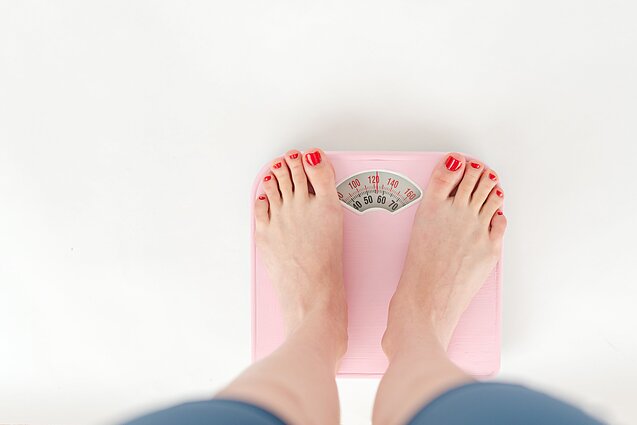
















Lithuania ranks fifth in Europe in terms of people aged 16 and above who are overweight, according to a recent Eurostat poll. Experts are describing this as a new epidemic for the country.
Only Latvia, Finland, Romania, and Malta rank above Lithuania. In contrast, Italy has the least overweight people.
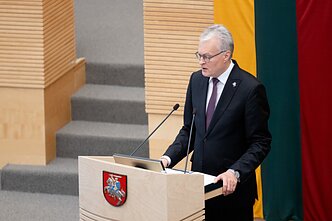
Professor Rimantas Stukas, head of the Department of Public Health at Vilnius University, attributes the overweight epidemic to poor Lithuanian eating habits.
“Our research shows that Lithuanians like to eat fatty foods. They do not consume enough vegetables and products rich in dietary fibre. Low levels of physical activity also contribute to being overweight,” he said.
According to dietitian Edvardas Grišinas, it is important to look at the eating culture in the country.
“I have to consult families and most of them don’t even understand what it means to have dinner or lunch together. All the holidays also become a symbol of overeating,” he said.
It is also interesting that people in Italy and France are among the least obese: “The slimmest people, it turns out, live in the countries of sweet potatoes and cheeses,” said Grišinas.
He now works with Italian patients who have developed obesity after living in Lithuania.
“Maybe the low number of overweight people in those countries is due to the culture of food and eating. After all, Italy and France have long culinary traditions,” said Grišinas.
“They pay a lot of attention to the quality of food, to cooking at home, whereas Lithuanians are not picky about food quality. They eat a lot of semi-finished products, just look at the products that reign supreme in supermarkets – they are frozen and canned foods,” he added.

Few Lithuanian households, as well as restaurants and cafes, prioritise fresh produce, according to the dietitian.
“In Italy, for example, you can buy a sandwich with fresh mozzarella and homemade pesto sauce on every corner. It may be no different in terms of calories from a defrosted cheeseburger, but the nutritional value will be huge.
“And the absorption of nutrients from a quality sandwich will be very different from that of a poor-quality semi-finished product,” said Grišinas.
The economic factors might also be involved, according to him.
“A person in Lithuania would rather buy expensive clothes, but not quality food. More natural, higher-quality food often costs more and not everyone can afford to eat this way. Some people don’t think about quality food, but about how to eat more cheaply,” he added.
According to Stukas from Vilnius University, being overweight and obese carries many more hidden health risks.
“Overweight people are at greater risk of stomach acidity, bloating and inflammation of the intestines,” he said. “They are more likely to suffer from various reproductive disorders: imbalanced menstrual cycles, poor sperm quality, polycystic ovary syndrome, thyroid disorders, autoimmune diseases.”
The risk of various cardiovascular diseases, as well as problems with joints, also increases.
More than 50 percent of the population in Lithuania suffers and dies from cardiovascular diseases. Most of them could be prevented if the people were not overweight.
“Maybe the experts are not being strict enough about the risks to overweight people. Maybe the population is no longer listening, they need a shock, a shake-up,” Stukas said.
“Work should be done on all fronts, starting with children in the kindergartens,” he added.

Newsletter
Every Friday morning.