














While the modernist architecture of Kaunas has recently been recognised as UNESCO World Heritage, the interwar architectural legacy of Vilnius is much more modest. This is down to the different situations of the two cities at the time, though both have veritable gems.
A growing interest in interwar modernist architecture inevitably leads to comparisons between Lithuania’s two biggest cities, Vilnius and Kaunas. Kaunas went through a period of rapid development in the 1920s and 1930s, spurred by its status as the de facto capital of the newly independent Republic of Lithuania. Vilnius, meanwhile, was a provincial city in the periphery of Poland.
“If Kaunas got the status of a temporary capital and the financial resources that came with it, the impetus to build more and more, and the population flooded into the city, then Vilnius lost its status of a capital city altogether, and became only the sixth city of the Polish Republic,” says Vilnius University professor, architecture historian Marija Drėmaitė.
“It was the eastern fringe of the country, what the Poles called Kresy Wschodnie, a city valued more for its historical heritage [than modernity].”
Figures tell the tale very well, Drėmaitė notes: 7,000 permits were issued for the construction or reconstruction of dwellings in Kaunas during the interwar period, while in Vilnius, only 1,500.
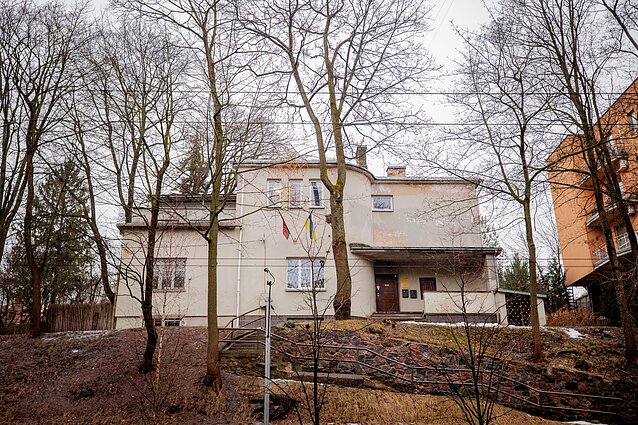
The breakthrough of new architecture in Vilnius took place around 1930–1935. Several modernist buildings by Polish architects appeared on Gedimino Avenue, and a number of modern villas were built in Naujamiestis and Žvėrynas.
“Čiurlionio Street, at that time called Zakrenkova, [...] is the place that developed between the wars, and it shows the new construction in Vilnius, modernist construction, was developing around the city – in the upper part of Naujamiestis, the new streets, in the Tauro Hill area, around Basanavičiaus, Kalinausko, Čiurlionio, Pamėnkalnio, Suvalkų streets, in the neighbourhoods of Žvėrynas and Antakalnis,” says Drėmaitė.
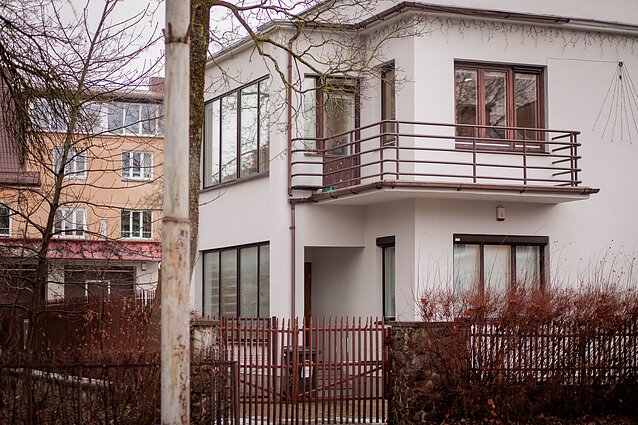
These were all relatively new neighbourhoods, she adds, because the central part of the city was already densely built up and the land there was relatively expensive.
Comparing the residential architecture of Vilnius and Kaunas, Drėmaitė says that Kaunas had a taste for urban villas and single-family houses, while in Vilnius owners would build houses with multiple apartments – one for themselves and the rest to let.
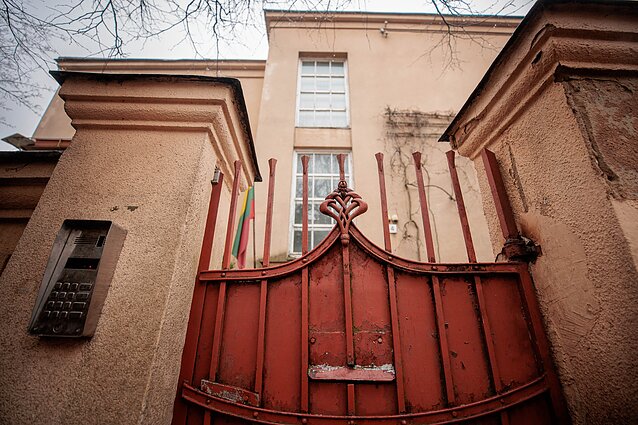
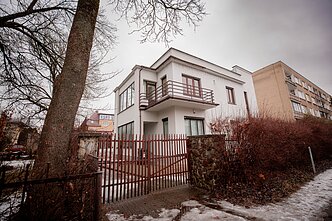
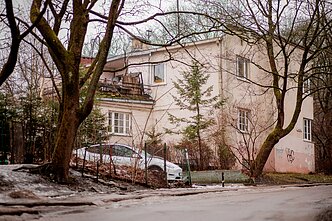
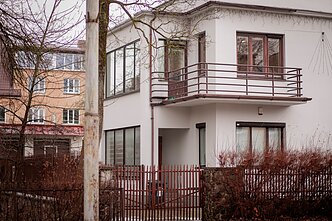
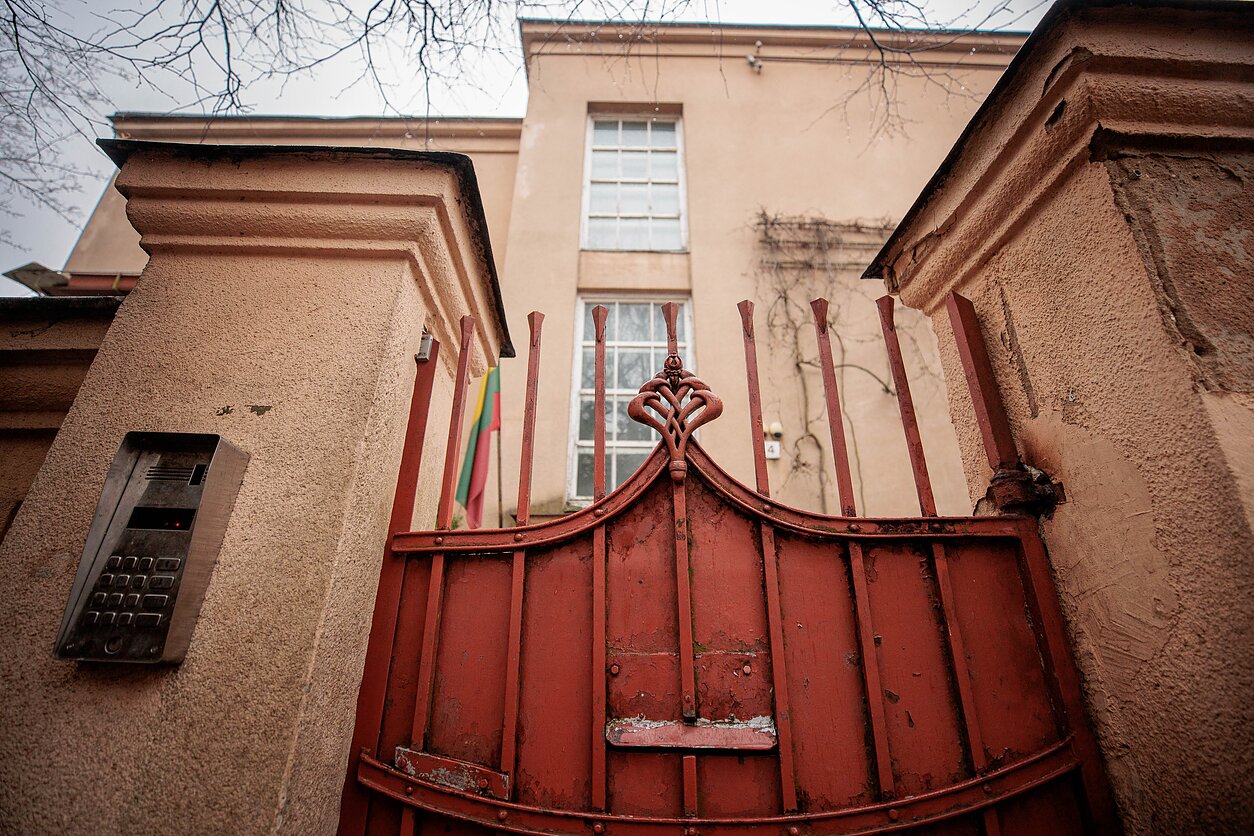
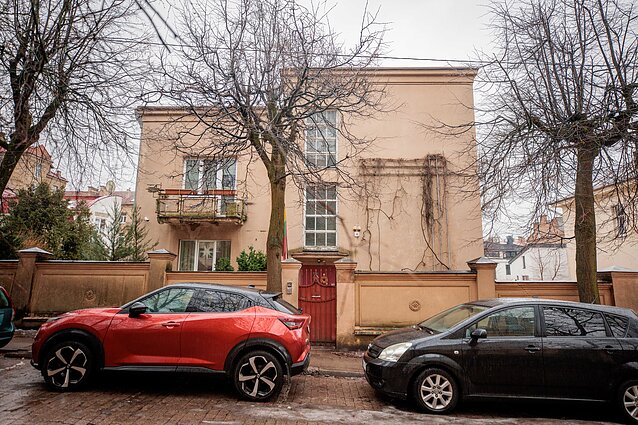
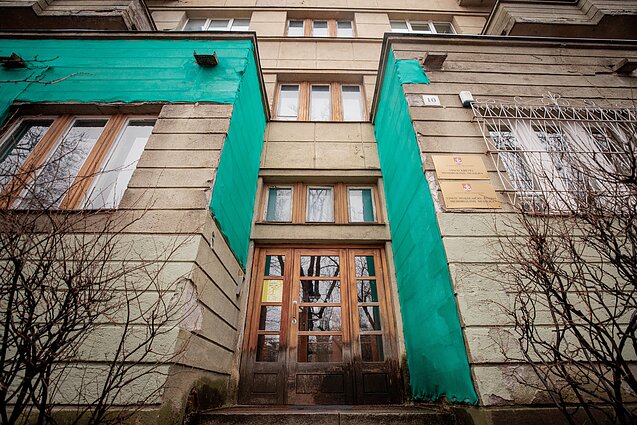
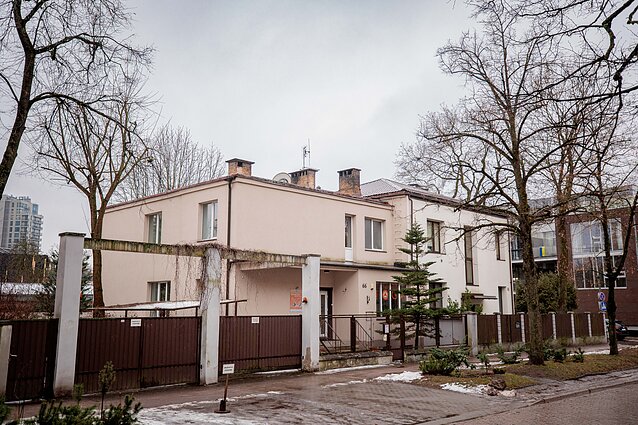
The most striking and worthwhile example is a residential building designed by architect Isaac Smorgonski in 1938, located on the corner of Kalinausko Street and Rožių Avenue.
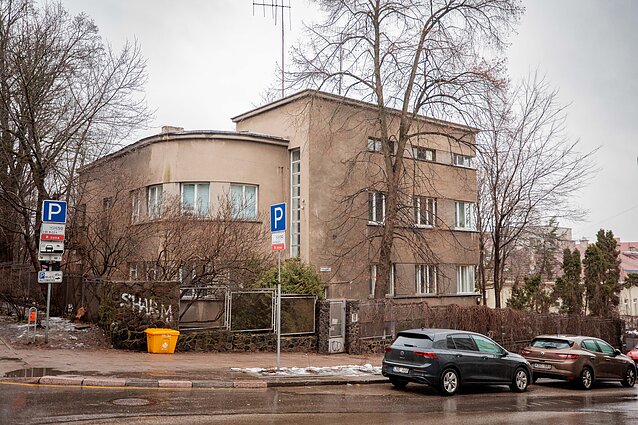
“It stands on a rather large, spacious plot at the beginning of Kalinausko Street, a very interesting house built by the doctor Alexander Libo with his wife Vera,” says Drėmaitė. The family occupied one flat in the building, while the others were rented out. In one of them, however, Libo set up his doctor’s practice.
“The history of the house is very interesting, he had been saving for it for a long time, he took out a loan, and then the house was nationalised in 1941 by the Soviets,” says Drėmaitė. “He wrote a complaint arguing that the house was nationalised illegally because he was not making a profit, he was providing a service to the people.”
“The house itself is very elegant, in keeping with Warsaw Modernism, but it also has many links with Kaunas Modernism. It’s a kind of universal, moderate architecture, with hints of art deco and functionalism,” according to the historian.
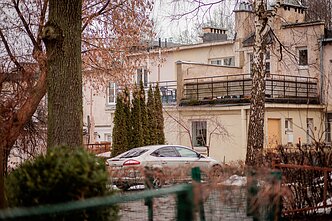
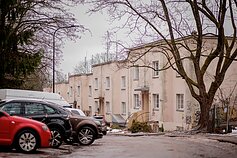
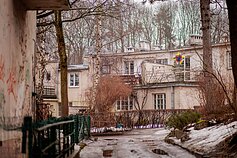
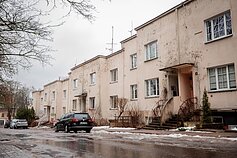
Another distinctive example of new construction in Vilnius is the Antakalnis Colony, a complex of 25 terraced houses in the style of interwar functionalist architecture, says Drėmaitė.
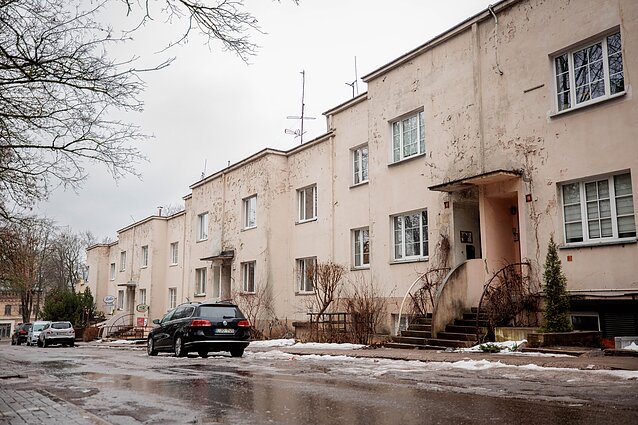
It was built between 1928 and 1932 on the plot between Kosciuškos, Olandų, and Dobužinskio streets by the board of cooperative houses of the Public Works Administration.
Such cooperative housing developments were relatively few in Vilnius, unlike in Warsaw and the rest of Poland.
“This shows the economic scale of Vilnius,” says Drėmaitė.
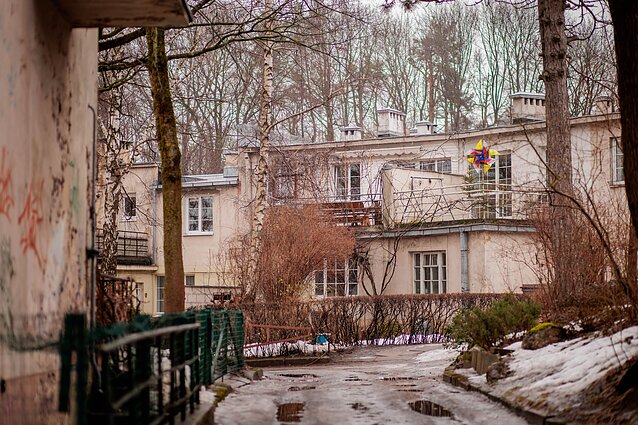
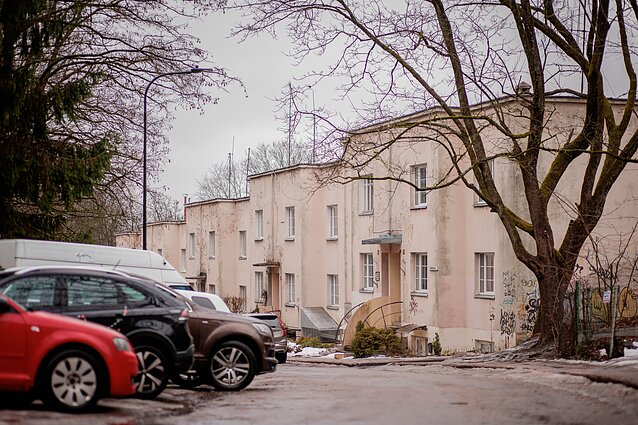
“If we compare Vilnius and Kaunas, the modernist architecture of Vilnius is much sharper, more restrained, more functional. In Kaunas, they were building for the long term and with the representational function in mind. In Vilnius, meanwhile, the architecture of the time is more rational, more economical, and it shows the possibilities of the people and the status of the city. That it was not an economically prosperous city,” according to Drėmaitė.
Still, interwar masterpieces can be found in both cities, she adds. The important thing is to discover and explore this legacy.

Newsletter
Every Friday morning.