














Demographic data from 2023 shows that Lithuania is a rapidly ageing society, in some regions more than in others. While women on average have 1.5 babies, the population remains stable due to migration.
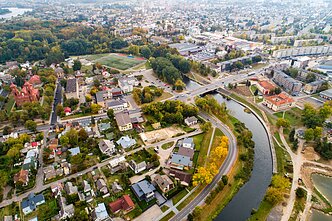
Panevėžys is considered one of Lithuania’s five “big cities”, traditionally defined as towns with populations of over 100,000. The problem is that since the peak in 1991, when Panevėžys was home to 131,000 people, its population has steadily shrunk, falling below the 100,000 mark in 2011.
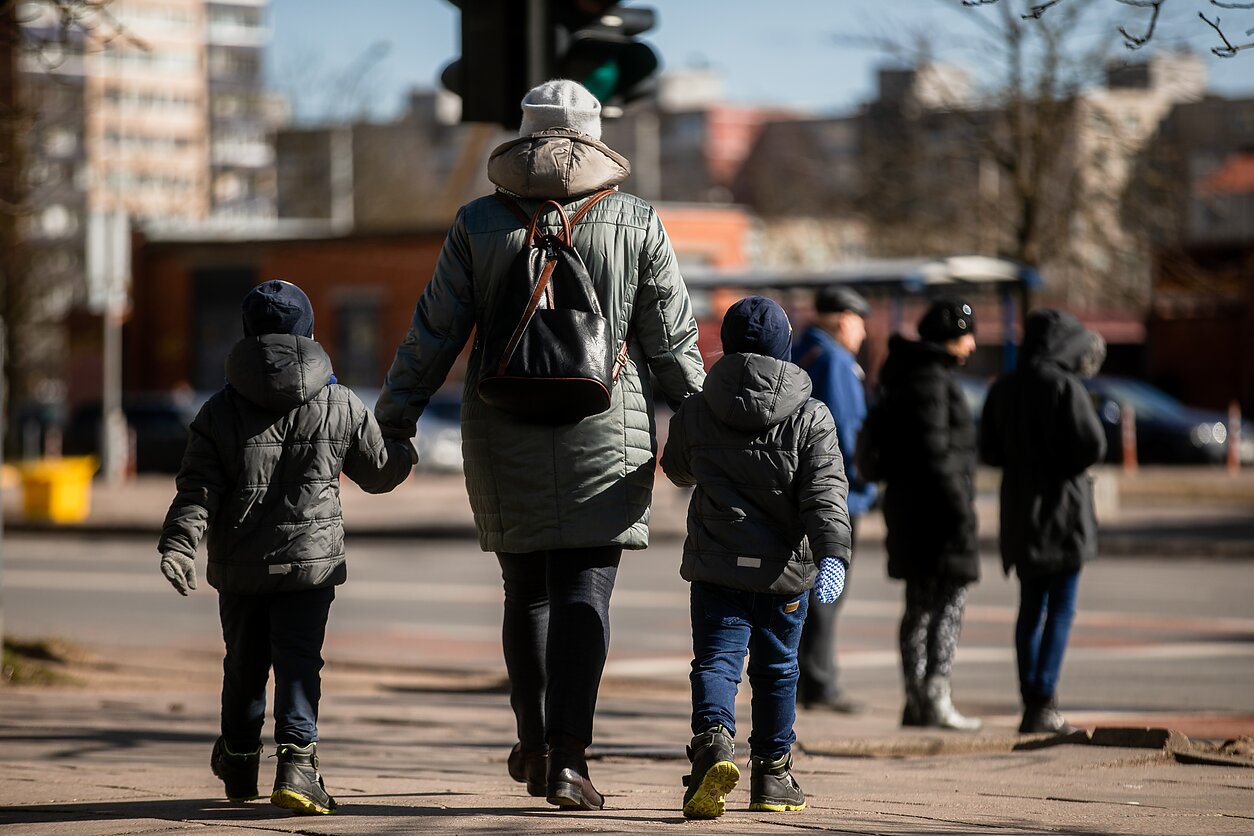
It is also the centre of a county with the most ageing population. Locals say they can tell there are more elderly people than youngsters.
“If we look at the ratio of seniors to young people, we are one of the fastest ageing towns,” a man tells LRT TV.

“Well, of course, there are not enough young people, not enough. There are no serious higher education institutions,” says another Panevėžys resident.
The next two most ageing counties are Utena and Alytus. A demographer says that the evolution of the population structure in Panevėžys resembles that of a periphery rather than a major city.
“I don’t really want to engage in guesswork whether it will disappear or not, but it happens that some towns, formerly cities of 100,000 people, shrink to 50,000, 70,000, or even less over a few decades,” says Daumantas Stumbrys, a researcher at the Centre of Social Sciences.
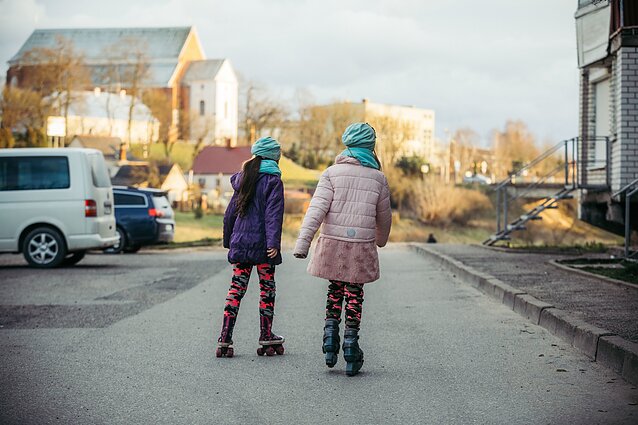
Lithuania as a whole is ageing, with 20,000 babies born last year, 15,000 fewer than the number of deaths.
“If you look at absolute numbers, we haven’t ever had such a low number of births. But I wouldn’t say it’s a record low if you look at it from the point of view of total fertility rates,” Stumbrys adds.
The fertility rate – or the average number of babies a woman is expected to have during her lifetime – is less than 1.5, well below the so-called replacement rate of 2.1.
However, the total population of Lithuania grew last year due to migration.

Newsletter
Every Friday morning.