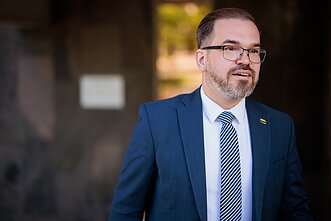





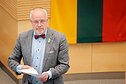








Lithuanian President Gitanas Nausėda is making efforts to bring Ukraine and Poland to one table amid a mounting row between the two neighbours over grain imports.
“In the near future, I will maintain, first of all, direct contact with both presidents. My advisors are maintaining that continuous working contact,” Nausėda said in a video comment from Los Angeles on Thursday.
“And we will take steps so that we can just sit down at one table and try to talk about things in a friendly way, without conflicts and without aggravating the situation,” he added.
The situation is escalating, so it is important “not to deepen the conflict, to stop, and to do everything to return to normal dialogue”, according to the Lithuanian president.
“Once the elections are over, we will go back to the tasks that are key today,” he said, referring to next month's parliamentary elections in Poland.
Nausėda said that he sees the resolution of the row between Kyiv and Warsaw as being of paramount importance at the moment.
“I hope it will be possible to do that. The most important thing is to avoid deepening the conflict, because it only benefits the Kremlin,” he said.

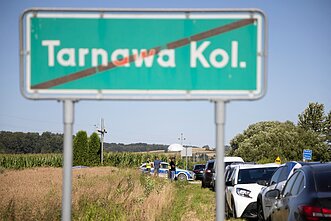
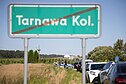
Tensions between Warsaw and Kyiv have flared up recently after Poland extended restrictions on Ukrainian agricultural product imports, despite the lifting of the EU bans.
Kyiv has also lodged a complaint with the World Trade Organisation against the efforts of Poland, as well as Hungary and Slovakia, to exclude Ukrainian grain from their markets.
Ukrainian president Volodymyr Zelensky has also publicly criticised Poland and other countries that are reluctant to accept Ukrainian grain.
“Some in Europe play out solidarity in political theatre, making the grain supply into a thriller. Those countries seem to play their own role while they actually help set the stage for the Moscow actor,“ he said on Tuesday.
Poland’s Foreign Ministry summoned Ukraine’s Ambassador Vasyl Zvarych following this statement.
Lithuania and Poland have long been two of the staunchest supporters of Ukraine in its fight against Russian aggression.

Newsletter
Every Friday morning.