










The three Baltic countries agree on the need to raise defence spending to 3 percent of GDP. However, Lithuania, Latvia, and Estonia plan to achieve the target at their own pace.
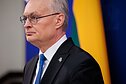
“Each country individually will increase the defence investment toward 3 percent of GDP,” Latvian Prime Minister Krišjānis Kariņš told reporters after meeting with his Lithuanian and Estonian counterparts in Riga on Friday.
Kariņš did not elaborate on when Latvia, which currently spends 2.2 percent of its GDP on defence, could reach the target.
Meanwhile, Lithuanian Prime Minister Ingrida Šimonytė said that her country might achieve it next year.
The 2023 budget, adopted by the Lithuanian parliament in late November, allows raising defence spending to 3 percent of GDP through borrowed funds, provided that the overall government deficit for the year does not exceed 4.9 percent of GDP.

According to Šimonytė, Lithuania will have to carry out several defence-related projects next year, meaning that actual defence spending could reach 3 percent of GDP.
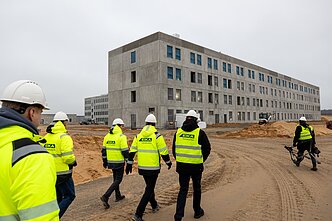
“Next year, we will have to implement a number of projects related to military mobility projects and host nation support, which under NATO standards are not included in the defence [spending] percentage,” the prime minister said.
“This means that the real spending on Lithuania’s defence and security will be between 2.5 and 3 percent of GDP in any case next year,” she added.
If Lithuania does not borrow for defence needs next year, its allocated defence budget will account for 2.52 percent of GDP, the same as this year.
Estonian Prime Minister Kaja Kallas said that her country will surpass the 3 percent of GDP target in two years.
“As to Estonia’s defence budget, it will exceed 3 percent in 2024,” she said. “Our trajectory has been mapped out, as have our purchases.”
Estonia’s defence budget is expected to rise to 2.9 percent of GDP next year from 2.3 percent currently.

Newsletter
Every Friday morning.