




The remains of anti-Soviet partisan commander Juozas Vitkus-Kazimieraitis have been found in Lithuania’s southern municipality of Druskininkai, experts have confirmed.
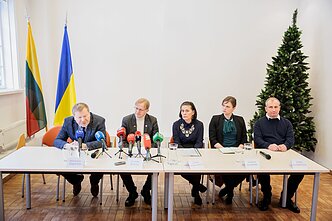
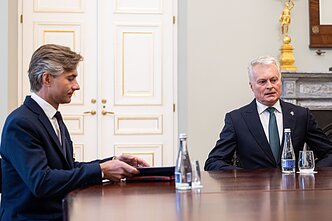
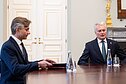
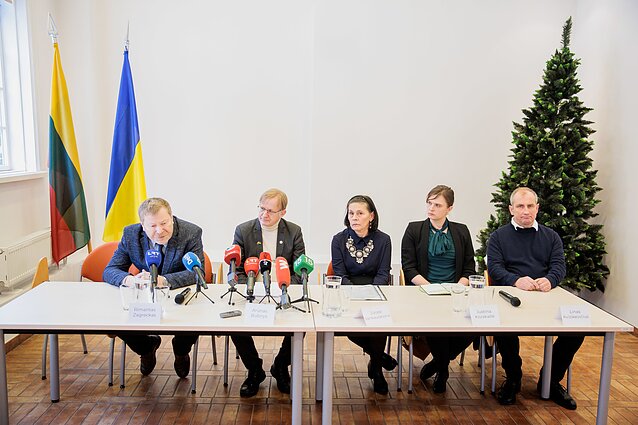
“The remains of Juozas Vitkus-Kazimieraitis, a prominent partisan commander in southern Lithuania, were among the remains found in Leipalingis,” Arūnas Bubnys, the head of the Genocide and Resistance Research Centre of Lithuania (LGGRTC), told reporters on Monday.
Jūratė Jankauskienė, chief expert at the State Forensic Service, said a DNA test carried out by the laboratory identified Vitkus’ remains with a 99.9-percent accuracy.
“In 2018, we received saliva samples from Vitkus’ sons Rimgaudas and Liudas, and when we received a bone from these remains, an identification test was carried out and it was confirmed 99.9 percent it’s the biological father of Liudas and Rimgaudas,” Jankauskienė said.
In 2019, 34 remains of partisans were exhumed at Leipalingis Cemetery, and seven partisans and two partisan supporters were identified last year.
According to the LGGRTC, Vitkus was the highest-ranking officer within the resistance movement.
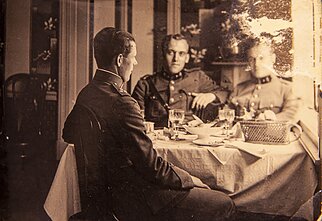
Vitkus was born in 1901 and enrolled with the Kaunas Military School in 1920. After graduating, he was assigned to the King Mindaugas Infantry Regiment and served in the military before World War Two, rising to the rank of lieutenant colonel.
He left the military after the war broke out and joined the partisan movement during the second Soviet occupation of 1944.

Vitkus assembled the Southern Lithuania partisan region in 1946 and was elected its commander. On July 2, 1946, he was seriously wounded during a clash with Soviet troops in Žaliamiškis near Liškiava in Lithuania’s southern district of Varėna and died a few hours later.
The resistance movement against Lithuania’s Soviet occupation lasted between 1944-1953. At least 50,000 people took part in it, and about 100,000 people participated in the entire resistance movement as members of underground organisations and their supporters. Over 20,000 partisans and their supporters died during this war.
After Lithuania regained independence from the Soviet Union, Vitkus was awarded a 1st Class Order of the Cross of Vytis and promoted to the rank of colonel. The Lithuanian armed forces’ engineering battalion in Kaunas has been named after him.

Newsletter
Every Friday morning.