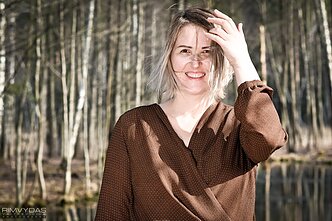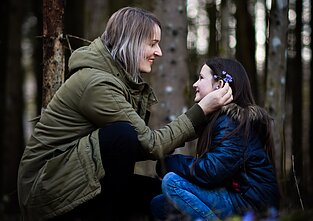












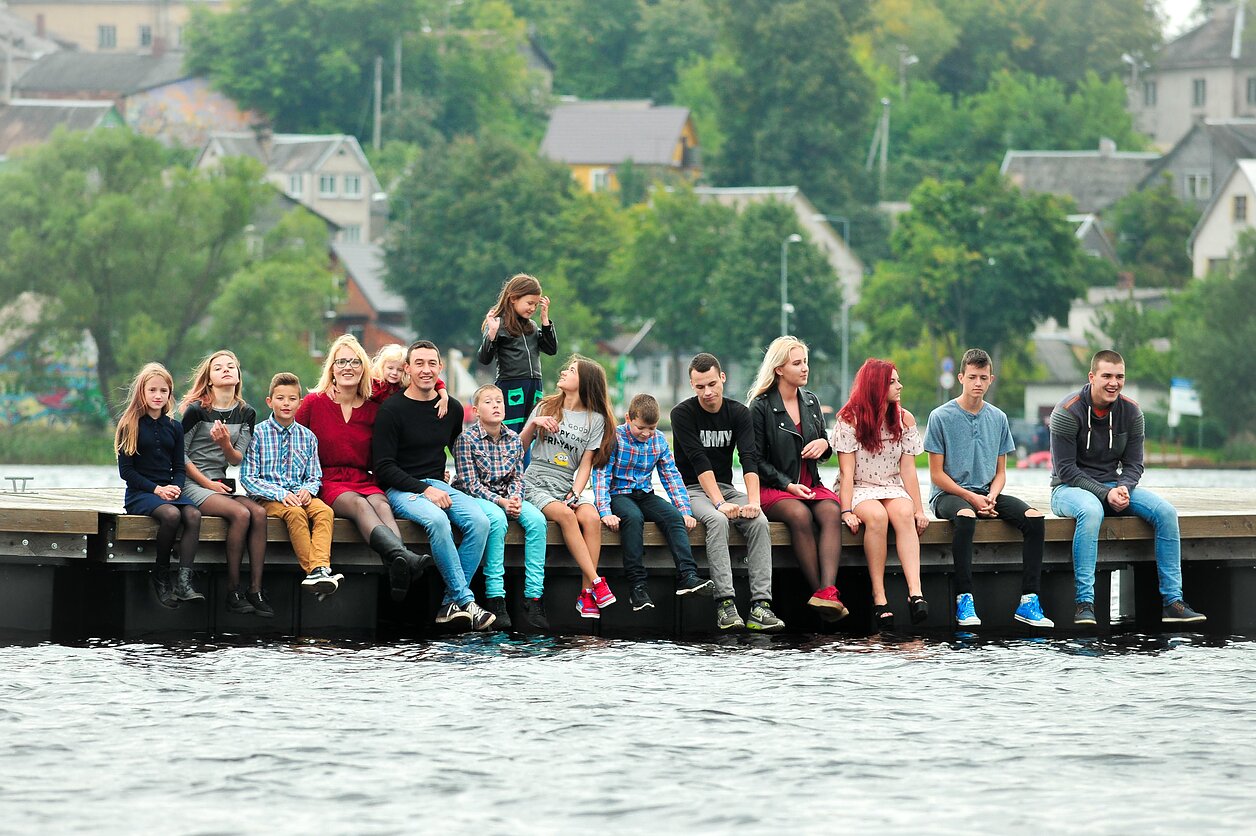
Eglė Vaitkevičienė and her husband are parents to 18 children, only three of whom are biological. Raising children is not work but sharing, says the mother in an interview with LRT RADIO.
You have both biological and foster children. How many members are in your family?
We have three biological children and 15 foster children, so 18 children call me a mother. Some of them came to our family as adults who no longer needed a mother to raise them but a mother to support them. We are a non-traditional, composite family for which we have found a very nice word – a tribe.
You have helped and continue to help so many children get on in life. How do you feel when you see them starting their own families?
Wonderful. I think that the more people we have in our lives, the richer we are, and I am a millionaire.
Now, I, my husband, and our 10 under-age children live under one roof. A couple of the grown-ups live in Vilnius, the others in Kaunas, Klaipėda, and the Netherlands. It’s a big celebration when everyone gets together.
All children, especially teenagers, have their own characters, temperaments, and beliefs. Where do you draw strength from?
I know one secret. Everything is good when there is a good relationship. You just have to work on building a good relationship.
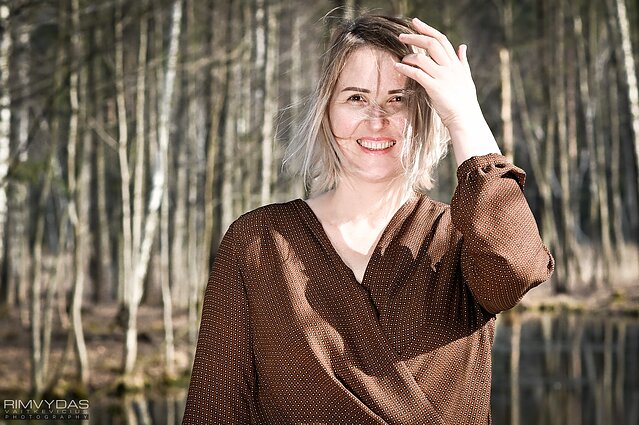
I have absolutely no expectations of what their rooms should look like, what their grades should be, how they should be dressed, whether they should have earrings, tattoos, dreadlocks, dyed hair – I’m fine with it. Young people searching for themselves is a normal stage of development.
But do you have to raise your voice sometimes?
Of course, I do. There are many voices in the family, a lot of noise – no one will hear if you keep your voice down.
How do people react to your big family?
When I had six children, I used to play around, saying that I had four daughters and two boyfriends. I used to love to see people’s amazement. But now, it’s not just amazement but also admiration. We get a lot of support from the public. I’m spreading the message that raising children is not torture.
You have three biological children. When did it occur to you that you want to grow your family?
It never did. We didn’t plan for it, calculate, or discuss it. Simply, all the children, who were supposed to come into our lives, came. Some came after calls from child rights protection officers, asking to adopt them.
We deliberately chose only teenagers because, in Lithuania, only four percent of people considering foster care would choose children older than ten years. But older children also need a family and support.
How did you and your husband come to this decision that this is your way of life?
We are a team. But fostering was my initiative because since I was a teenager, I have carried in my heart the feeling that there should be no children without a family.
The plan was to adopt one girl, but God is probably laughing at those plans now. My husband was really keen to get involved, especially when we adopted our first boy 16 years ago.
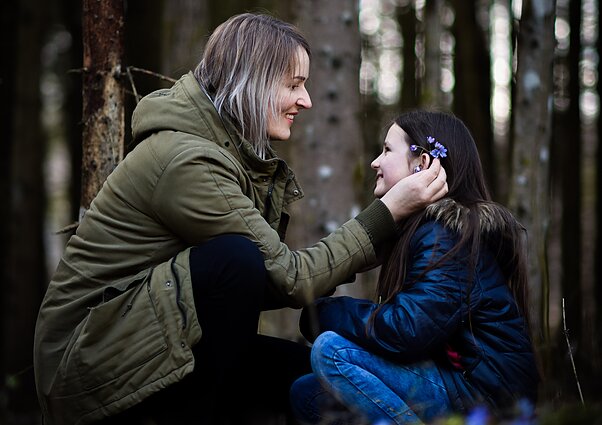
What was the hardest part though?
The hardest part is the housework because you have to wash clothes, cook all the time, the sink is always full of dishes.
But it is harder for the child. You have to do everything to make him or her feel at home, to trust you because most of the time children come with trauma, it’s hard for them to trust someone. That’s why when a new person comes, I never demand – I give.
How do you find time to talk with 10 teenagers? How do you divide that time between everyone?
We have an agreement that if someone needs to talk, we just go and talk. A lot of the communication is through text messages because teenagers are on their phones all the time, and I can text five of them at once and deal with their issues. It is convenient for me.
Is your spouse also involved in children’s emotional world?
My children call me a crisis management centre because I really do this work. And my husband’s job is to make me happy so that I could help the children. We have a very nice division.
He, of course, contributes both to children’s education and housework. But his biggest job is to make sure that I am happy because when a mother is happy, the whole family is happy.
What do you mean by saying that the husband has to make you happy?
Now, that the children are bigger, it is easier. I think what helps the most is that I'm not just a mother. I am a friend, a volunteer. There is a charity organisation in Zarasai called Išgirsk Mane (Hear Me Out), which takes care of sick children. I am the president of that organisation.
I and my husband also renovated a beautiful mill in the town of Salakas and set up a photo studio there. It’s things like that that keep me from drowning in domestic life. If it was all about dirty clothes and a bucket of potatoes, it would be bad.
Were there situations when you thought that maybe you shouldn’t have done it?
I’ve never regretted it, but it was hard. I’ve cried into the pillow a hundred times. It was because of burnout, and that’s normal. Sometimes we get tired of ourselves, and there are so many people and characters. Sometimes, when I have the chance, I try to go away, clear my head, but when I come back, I have to concentrate.
How many more children are you planning to welcome into your family?
When I am asked this question, the first thing I think about is how many grandchildren I will have. At least 60.
But if it happens that a child needs a family, we will raise him or her. [...] It’s not work, it’s sharing. If you have something to share, you share.

Newsletter
Every Friday morning.