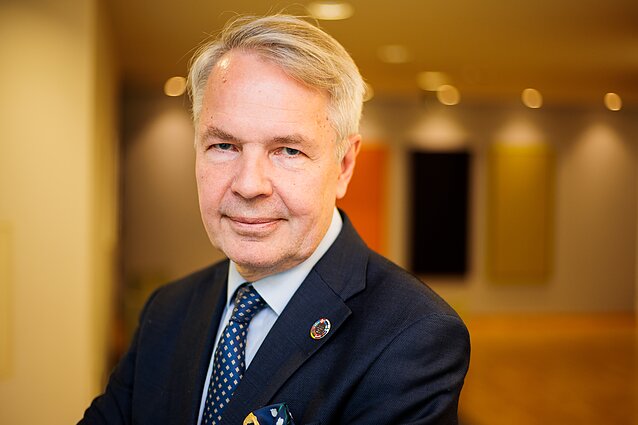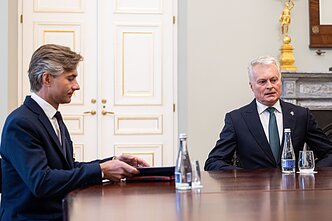




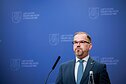


Since Russia invaded Ukraine in February, Finland has been discussing new challenges to its security, including the use of chemical or nuclear weapons. This has pushed the country bordering Russia to apply for NATO membership, Finnish Foreign Minister Pekka Haavisto said in an interview with LRT.lt.
You once said that it is important that the Finnish-Russian border remains safe and peaceful. Is it still safe?
It is peaceful and, of course, we intend to keep it peaceful. This year, after February 24, in Finland we made a major reassessment of our security situation and decided in a very rapid process to apply for NATO membership together with Sweden.
At the NATO Madrid summit in June, Finland and Sweden got the approval. Then, the ratification process started. Twenty-four NATO countries out of 30 have already ratified [the accession protocols]. We hope that this autumn be the process of ratification will be finalised. This is what we are doing for our security – not for any other purpose. Also, to maintain security at our border with Russia.
Is Finland putting any additional efforts to strengthen security on the border?
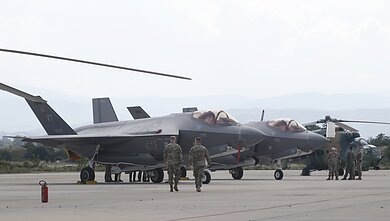
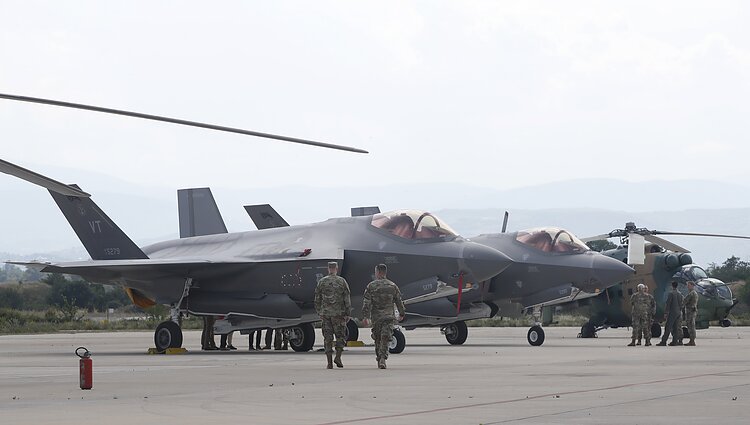
Last year, we ordered 64 new F-35 fighter jets from the US, so we have been keeping our national security in a good shape. Of course, we have a conscription army mechanism, and we maintain and develop that.
This means that we can have a national answer to major security threats in Finland. But, of course, what we saw last spring is that there are new types of threats appearing. These include hybrid and cyber threats and the kind of loose discussion about the use of chemical or nuclear weapons.
Then, the Finnish people were asking: what if these new types of unconventional weapons are taken to the war theatre? What will be our response? At that moment we came to the conclusion that those are situations where we need close cooperation with NATO countries. That was one of the reasons why we decided to apply for membership.
You personally have met with Russian Foreign Minister Sergey Lavrov many times. Were you surprised when Russia invaded Ukraine? And do you think it is still possible to maintain high-level contacts with Russian officials?
First, about the foreseeing of the Russian attack in February... Of course, we could see that Russian troops are gathered on the border of Ukraine. We could see the very alarming voices from the US and Pentagon.
But I think at that time there was this kind of disbelief that Russia could make a direct attack against the capital Kyiv. I think that many of those who were looking at the war theatre were thinking that maybe it will be a major operation in Donbas or some kind of additional corridor to Crimea, which would be the Russian target.
I think we were surprised that it was a direct attack against the capital. Ukrainians were surprised about this as well.
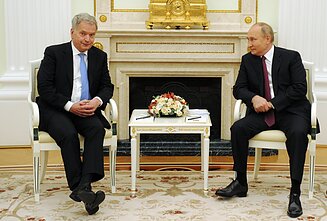
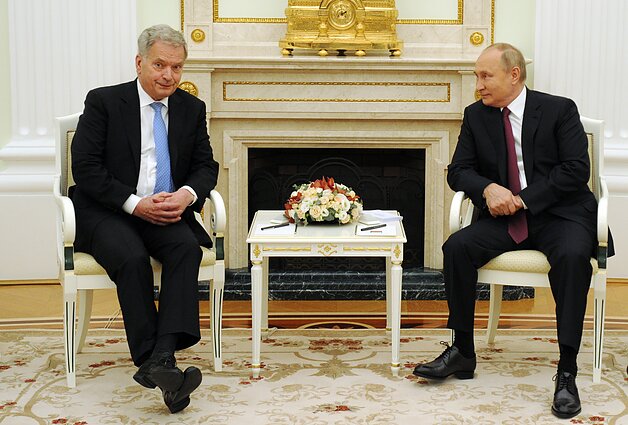
On the contact with Russian officials... My last direct contact with the foreign minister Lavrov was last December when we meet bilaterally under the auspices of the OSCE meeting in Stockholm. But since the Russian attack, we have maintained some higher-level contact on the level of the presidents. Finnish President Sauli Niinistö called Russian president Vladimir Putin and informed him in spring that we were applying for NATO membership, and they had a discussion on that issue.
Your government’s position is that NATO membership would improve Finland’s security. But aren’t you concerned about possible Russian retaliation in whatever form it might come?
At the beginning of the spring, as the attack was ongoing, we didn’t really know whether there were any Russian plans other than the plans regarding Ukraine. At that time, we still didn’t have any security assurances from NATO. So, we call that time a kind of grey period in our security. We followed the very effective defence of Ukraine and at the same time, assessed what kind of risks it can imply for us.
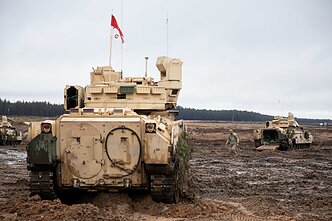
Then, step by step, we got security assurances from several countries, including the US, the UK, France, and Germany. And we are very grateful that we are supported throughout this [NATO] application process by the very strong promises. This summer, we have seen, for example, intensified military exercises in Finland with several NATO countries. Also, the application process has been even more rapid than we could have imagined.
Do you have any idea when the membership could be finalised?
We have established in Madrid a special tool with Turkey to address their security concerns and their concerns about terrorism. This is the so-called tri-partite group. It had already had its first meeting in Helsinki more than a week ago. It was very professional. We proved that with the working group we can fulfil the promises that we gave in Madrid to Turkey.
Of course, political situations are different in many countries, and we cannot ensure that they will ratify the protocols by a certain date. But we expect that towards the end of this year, the process could be quite far.
There could be hiccups, but I think the end result is already known – we will become NATO members.

Is Finland ready to take some national action to limit visa issuance to Russian tourists?
We have probably been among the first ones who started the limitations on issuing tourist visas to Russians in August. We reduced it to 10 percent of the tourist visas that are now issued. But at the same time, we have a system to allow visas for students, people who are working or have relatives in Finland, who are critical journalists or civil society activists.
We think that it’s important to maintain this type of contact between Western countries and Russia. At the same time, we don’t want to become a transit country for Russian tourism. It’s obvious that when you look at the map, we are close to Saint Petersburg, and many Russians would like to use the Helsinki airport to fly further, and that’s the reason why we have restricted the number of tourist visas.
Of course, there is nothing we can do about visas that other countries are issuing. We are hoping that there would be European coordination on this issue so that there is no free market for visas.
Did Finland see any retaliation from Russia in response to visa limitations?
No, nothing in particular. Of course, we are expecting that a symmetric action would be implemented by the Russian side on visa policies. That’s what we are prepared for.

Newsletter
Every Friday morning.