














Statistics Lithuania has published a summary of key economic indicators for the previous year. In 2021, wages in Lithuania increased, but most of the effect was cancelled out by inflation.
GDP
Lithuania’s GDP in 2021 was 55.4 billion euros. It increased 5.1 percent from the year before.
Among sectors that grew most last year were retail and services (2.6 percent) and manufacturing (2.1 percent). Final taxes increased by 0.5 percent in 2021.
The largest production increase was in the sectors of chemical products (45.6 percent), motor vehicles and trailers (39.9 percent), other vehicles and equipment (34.9 percent), metals (28.9 percent), as well as computers, electronics, and optical products (28.2 percent).

Lithuania’s GDP growth and economic stability were among the highest in the EU, according to Boguslavas Gruževskis, head of the Lithuanian Centre for Social Sciences.
“This shows that we can function even more efficiently in the future and be more confident about economic growth,” he said.
Inflation
At 10.6 percent, the annual inflation rate recorded in December 2021 was the highest in the last five years.
High inflation was driven by 24.6 percent price hikes of housing-related goods and services, including water, electricity, gas, and other fuels.
Last year, prices of transport goods and services grew by 17.8 percent, as well as by 10.4 percent for food and non-alcoholic drinks.

In 2021, the average annual inflation rate, based on the harmonised consumer price index, was 2.9 percent in the EU, compared to 4.6 percent in Lithuania.
Real estate
Real estate prices in Lithuania reached record highs last year. They increased by 18.9 percent in the third quarter in 2021, compared to the same period a year before.
Read more: Lithuania’s housing market hits new records, with Vilnius apartment fetching €2.7m
Wages
Last year, the average monthly wage before tax increased by almost 10 percent to 1,568 euros in Lithuania. The average wage after tax was 995.3 euros.
Real wages adjusted to inflation increased by 4.1 percent in 2021.
The highest net wages were earned by workers in information and communication sectors (around 1,721 euros), financial and insurance activities (around 1,612), and professional, scientific, and technical activities (around 1,230 euros).

The median after-tax wage was 804 euros, i.e. half the country’s workforce earned 804 euros or less.
Trade
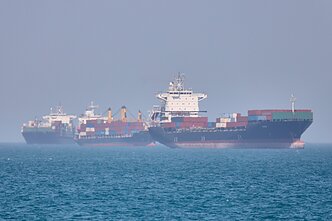
Last year, Lithuania exported goods worth 34.5 billion euros, with imports amounting to 37.5 billion euros. Compared to a year before, exports in 2021 increased by 20.3 percent and imports by 28.5 percent.
Russia, Latvia, Germany, and Poland were the major destinations of Lithuanian exports between January and November last year.
Lithuania’s main exports were in the chemical and related industries (14.9 percent), machinery and electrical equipment (13.5 percent), and mineral products (10 percent).
Similarly, the country mostly imported machinery and mechanical equipment (17.8 percent), mineral products (17.3 percent), and chemical and related products (12.2 percent).

Investment
Cumulative foreign direct investment in Lithuania increased by 4.1 percent last year. In September 2021, it amounted to 24.8 billion euros.
Germany was the largest investor in Lithuania, followed by Sweden, Estonia, the Netherlands, Hong Kong, Poland, and Cyprus.
Lithuania’s cumulative direct investment abroad increased by 4.4 percent last year and amounted to 9 billion euros in September 2021.
The largest investments were made in the US, Latvia, Estonia, Cyprus, and the Netherlands.

Newsletter
Every Friday morning.