





Historians are planning to research the burial of one of Lithuania's anti-Soviet resistance leaders following a report he could have been buried next to Soviet soldiers in Kaunas.
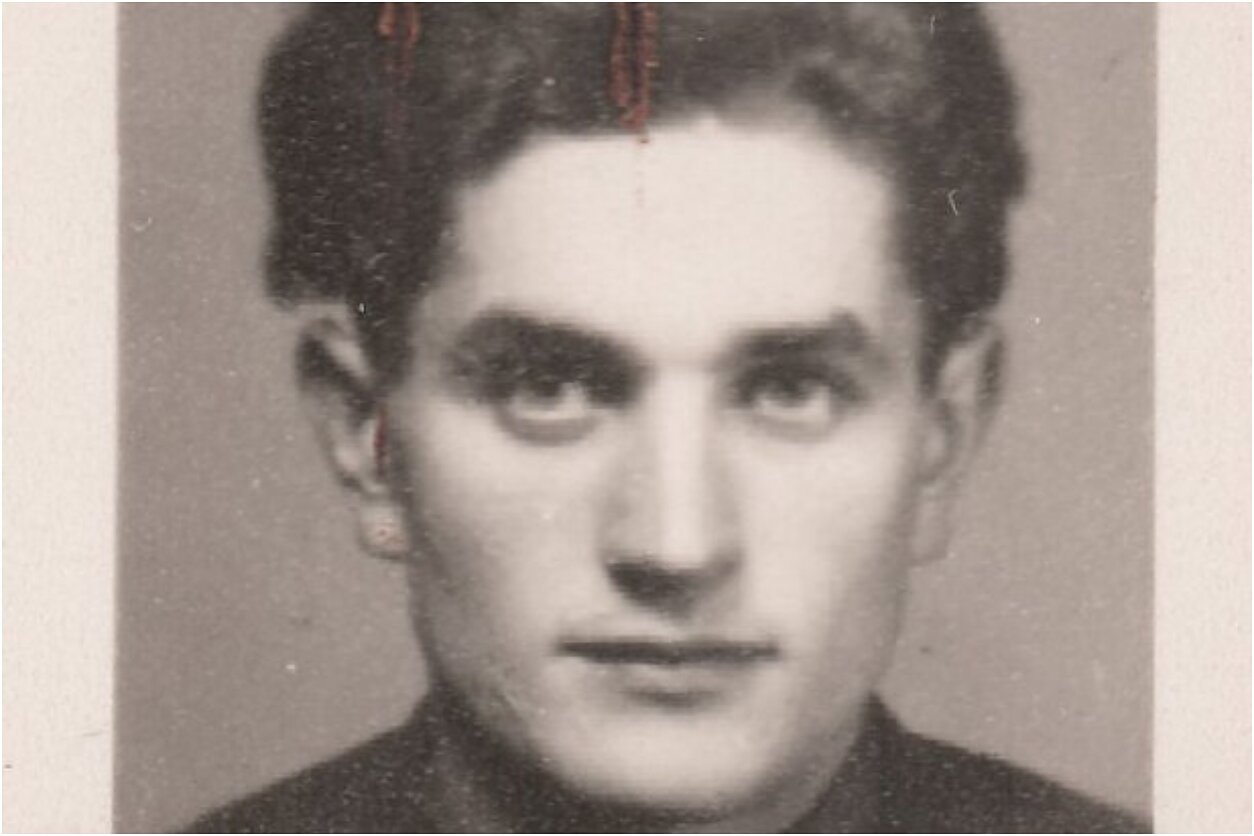
LRT TV show History Detectives aired a story last Sunday, suggesting Juozas Lukša-Daumantas, one of the post-war partisan leaders, was buried in a military cemetery in Aukštieji Šančiai.
Read more: Researchers locate hideout of Lithuania's last anti-Soviet partisan
The show quoted a letter from a viewer who said he was told by a Soviet military officer that the legendary partisan had been buried in the cemetery along with several Soviet soldiers.
Responding to the suggestion, the Genocide and Resistance Research Centre of Lithuania said its researchers would analyse documents and archival material related to the cemetery.
“First, there'll have to be historical research,” Eugenijus Peikštenis, a coordinator of archeological research at the centre, told BNS. “For example, we'll have to find the plans of the cemetery and its books to see what is written in them.”
He said, however, that he was not convinced that Lukša-Daumantas could have been buried under a Soviet soldier's name.
The timeline of the research will depend on when Kaunas' archives will reopen after the coronavirus lockdown, Peikštenis noted.
Meanwhile, it might be difficult to obtain permission for excavations in the military cemetery, he added.
“That's why we need strong arguments. For example, if the cemetery books say that 40 soldiers were buried, but we see 42 graves. What are the two others? That would give us an argument for digging,” Peikštenis said.
“Since that involves the graves of Soviet soldiers, these matters would have to be coordinated with the Foreign Ministry, too,” he added.
Lukša, also known by his noms de guerre Skirmantas and Daumantas, became one of the leaders of the Lithuanian partisan resistance after World War Two. He managed to break through the Iron Curtain into the West several times to rally support for his homeland's cause.
Lukša-Daumantas was killed in an ambush in Garliava near Kaunas in September 1951.
Recent efforts to find documents in the archives indicating that his remains could have been buried in the Marvelė suburb of Kaunas have yielded no results.
The Lithuanian parliament, Seimas, has designated 2021 as the year of Juozas Lukša-Daumantas to mark the 100th anniversary of his birth on August 10.
Read more: Lithuania launches website with list of anti-Soviet partisans

Newsletter
Every Friday morning.