












A new European Union border control system requiring biometric data from non-EU travellers has been fully operational for a week across 29 countries, as officials seek to strengthen security and modernise border checks.
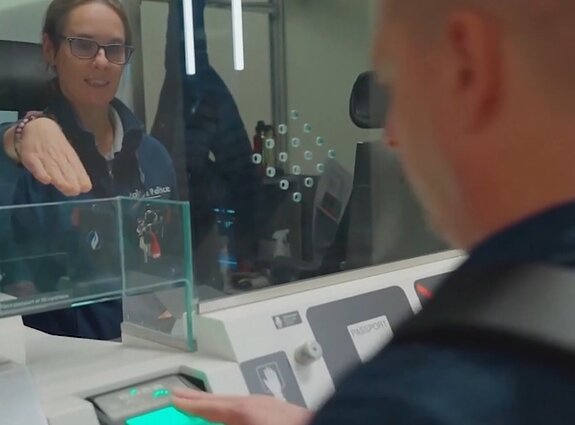
The Entry/Exit System, EES, records travellers’ facial images and fingerprints upon arrival and departure. The system replaces passport stamp checks and allows authorities to digitally track how long visitors stay within the Schengen area.
Since its phased rollout began in the autumn, more than 50 million border crossings have been recorded, and nearly 30,000 people have been denied entry, including about 1,000 identified as potential security threats, according to officials.
In Lithuania, the system is now in use at all border crossing points, including the Medininkai checkpoint, where non-EU citizens must provide biometric data in addition to presenting a passport.
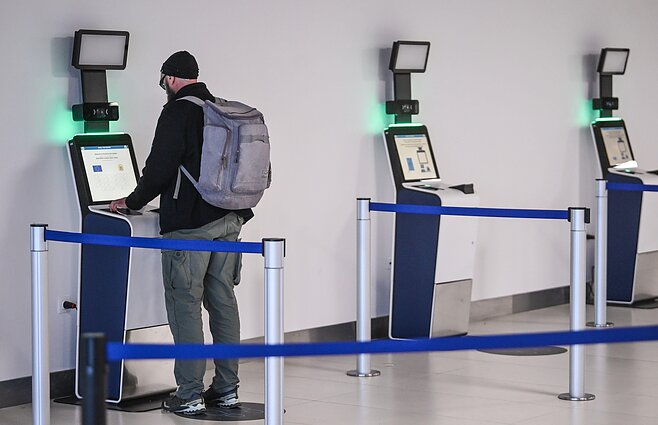
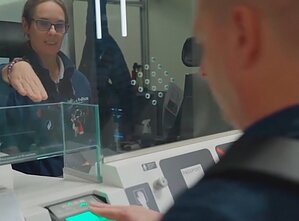
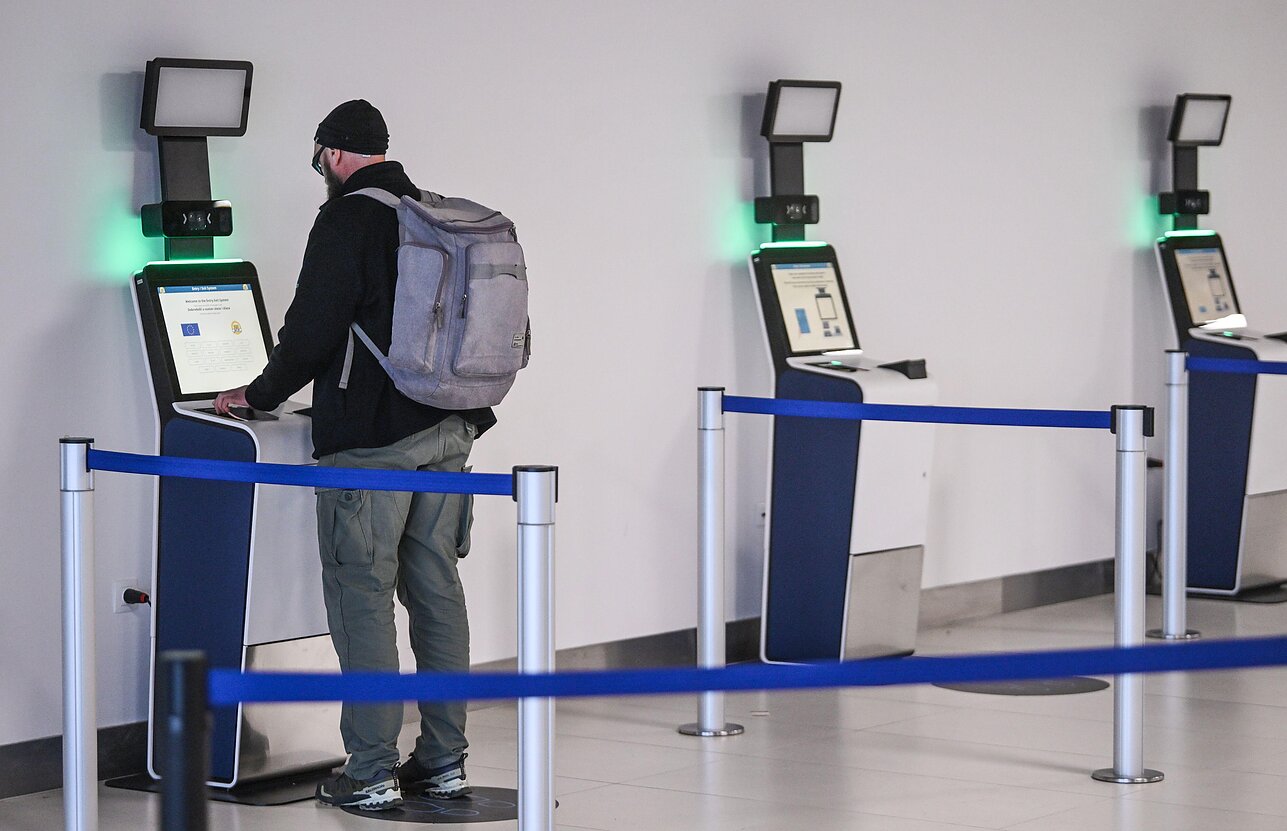
Travellers can register themselves using automated kiosks or be processed by border guards. However, many still prefer assistance from officers, said Gintarė Miknevičienė, a specialist at the Padvarionys border post.
“Since this is new, innovations can be intimidating, so most people choose to go directly to an officer, who completes the initial registration,” she said.
Officials say the system improves accuracy in monitoring whether visitors overstay their permitted time in Europe.
“Date stamps have been eliminated at border checkpoints, and calculating the number of days spent in the Schengen area is now handled by the system rather than border guards,” Miknevičienė said.
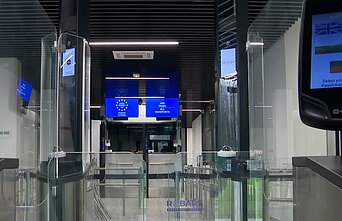
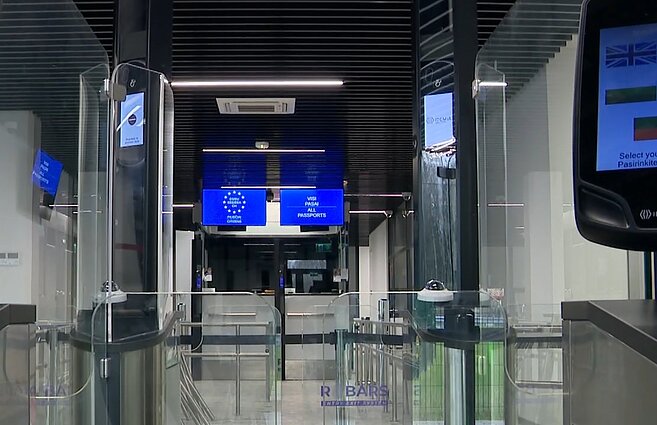
The system applies uniformly across air, sea and land borders, requiring passport scans and biometric data collection in all cases.
According to Anita Mendiratta, an adviser to the United Nations secretary-general on tourism, the system aims both to simplify border procedures and enhance security.
Travellers are also required to complete a questionnaire covering issues such as return tickets, health insurance, accommodation details, financial means and criminal history.
Reactions among passengers have been mixed. Some travellers at Brussels Airport said the new requirements duplicate information already provided during visa applications and could increase waiting times.
“I don’t think it’s necessary to answer the same questions again,” one traveller said. “Queues are already long.”
Others supported the additional scrutiny.
“If people don’t want to answer questions, there may be a reason,” another traveller opined.
All entries, exits and refusals are now recorded electronically in a shared EU database.

Newsletter
Every Friday morning.