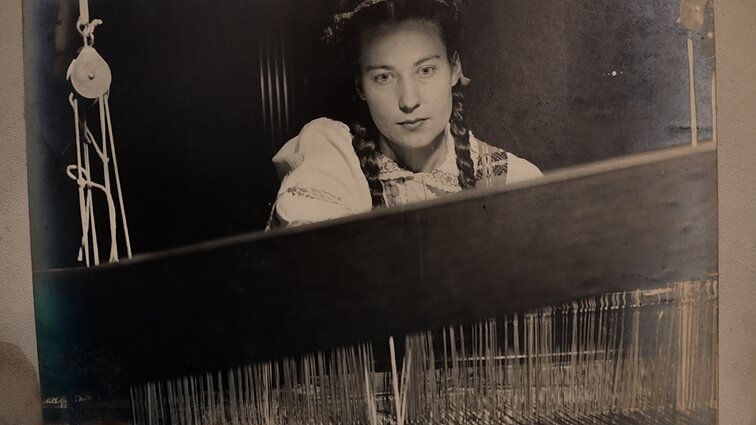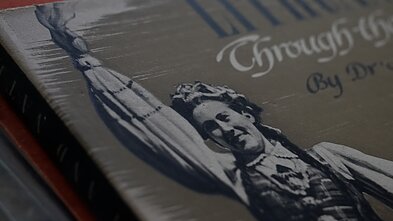














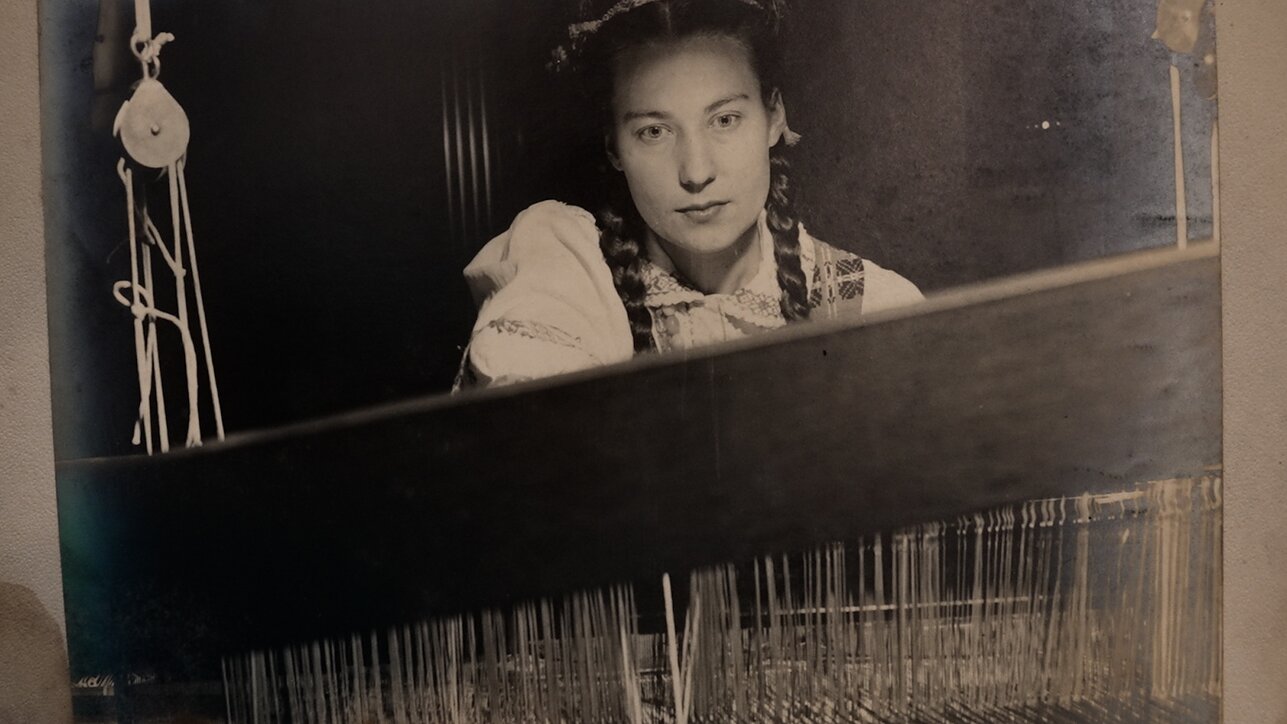
Few people in Lithuania will have heard the name Bronė Jameikis. Fewer still will know that her face once graced the covers of leading magazines of her time. In truth, Bronė's name, image and work were well known across the world – just not in her motherland.
"What do you actually know about Lithuanians in exile?" asks Elena Bradūnaitė-Aglinskienė, an anthropologist living in Hawaii who is the custodian of Bronė's legacy. "Lithuania, Siberia, Germany, Chicago, Asia, Hawaii – Bronė's story spans almost the entire world."
Born in Lithuania, Bronė fled the Soviet occupation with her national costume – a garment that remains preserved in Hawaii to this day.
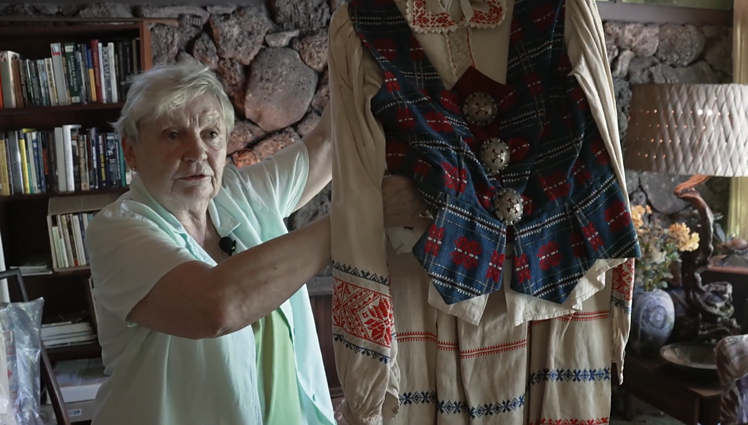
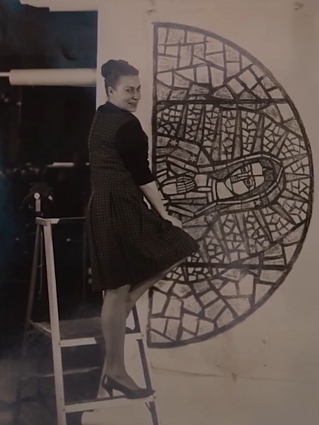
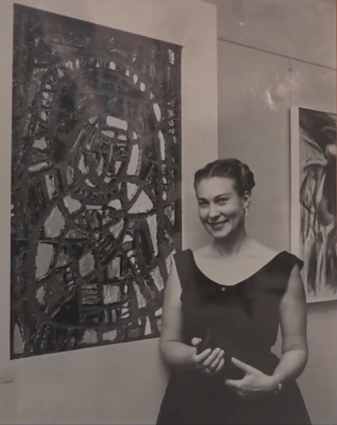
She ended up in a refugee camp in Germany, where she studied weaving and art at the Freiburg School of Art under the renowned stained glass artist Adolfas Valeška.
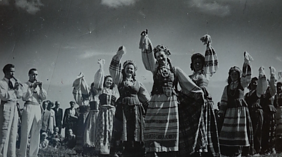
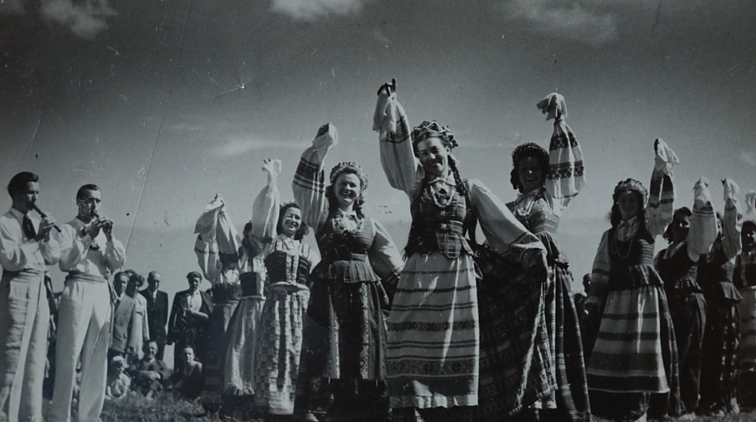
In the refugee camps, it mattered enormously to Lithuanians to present the best of themselves to the outside world – their culture, their writers, their dances, their national dress.
"Nobody will take notice of you if you don't introduce yourself. Lithuanian émigrés understood that very quickly," Bradūnaitė-Aglinskienė observes.
When Bronė left Germany she took with her suitcases full of hand-woven textiles, traditional patterns, tapestries of her own creation, stained glass sketches and even bundles of flax – the kind of thing women took with them as they set out for foreign lands.
A trail of art across continents
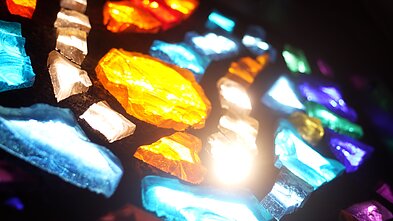
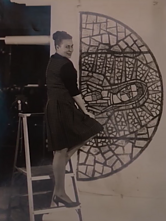
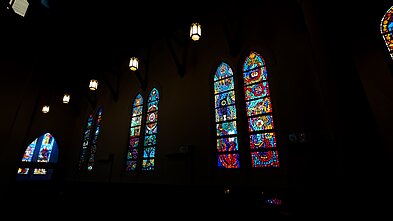
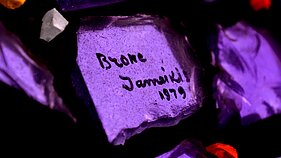
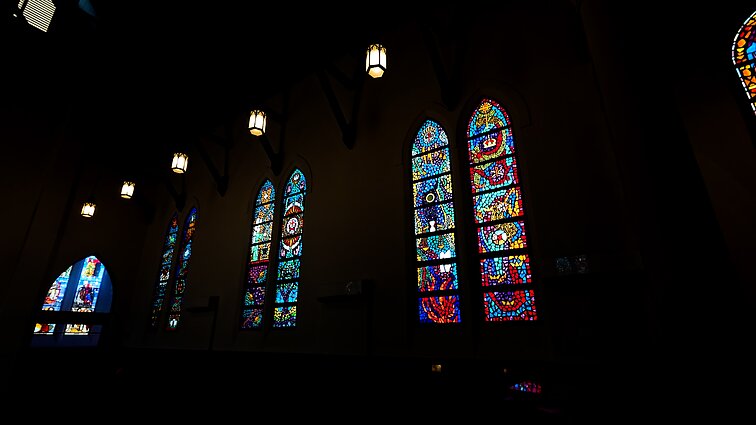
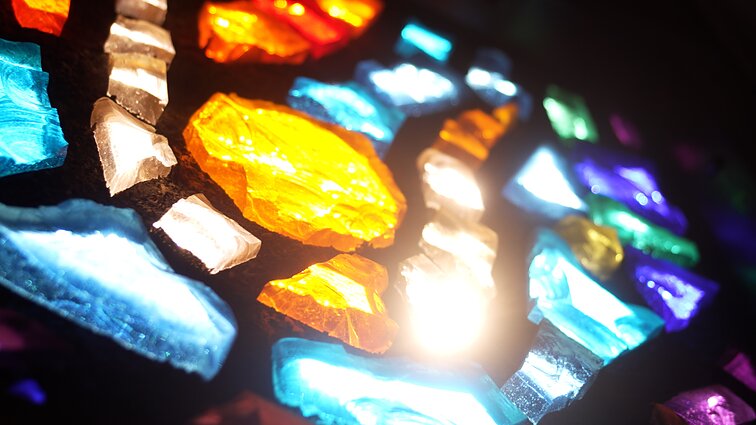
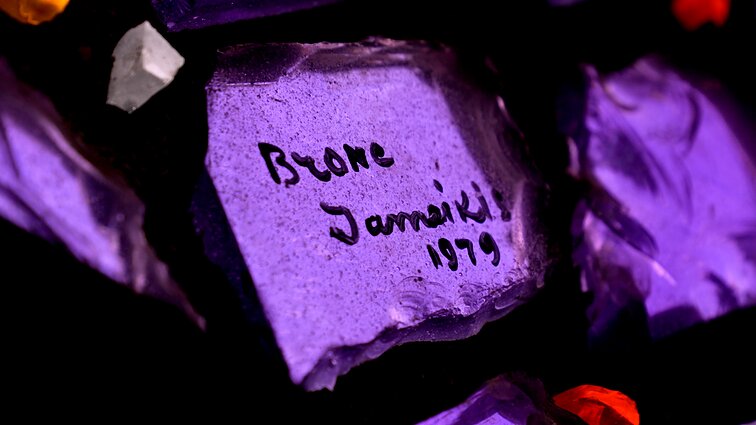
Bronė went on to decorate churches in Hawaii and Chicago with her distinctive broken-glass stained glass windows. In Dayton, Ohio, she created something still more unusual – woven floors for church interiors, unique works that survive to this day.
She completed a doctorate on Asian culture and Buddhism, travelled across East Asia and lectured on Western art at universities in India.
"For a woman of that era, you had to be very determined to achieve anything. It was not easy," Bradūnaitė-Aglinskienė reflects.
A life interrupted
Bronė's personal life was no less eventful. Before fleeing Lithuania, she had married an army officer, Stasys Jameikis. Their happiness was short-lived – when the Bolsheviks came to power, Stasys was taken away to be shot.
Years later, living in Hawaii, Bronė received an unexpected letter informing her that Stasys was alive. When she went to meet him, she discovered he had remarried.
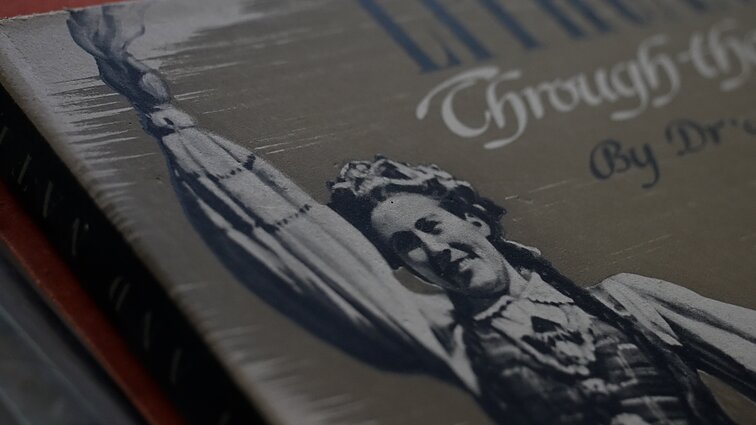
"If I had started a family, I don't know whether I could have done all the things I did," Bronė once said – a remark recalled by Melė Look, the daughter of one of Bronė's friends, who showed one of Bronė's most remarkable works: a broken-glass stained glass panel entitled Madonna and Lotus.
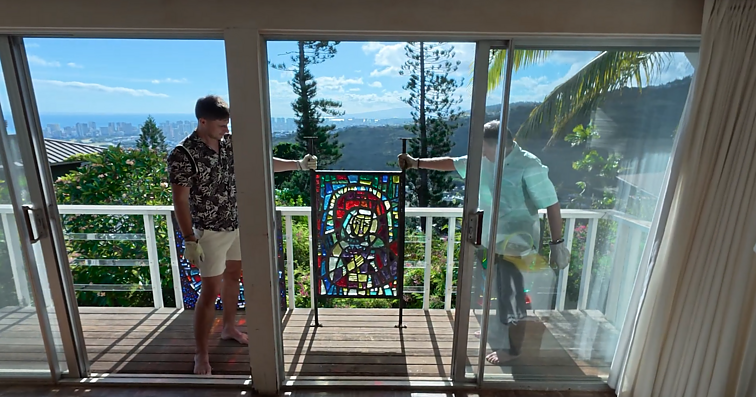
Look herself is of mixed Chinese and Lithuanian heritage – her grandfather was the mayor of Palanga between the wars, and his brother Feliksas Vizbaras was the architect of Kaunas Central Post Office. It is unclear whether Bronė ever saw the woven floors she created for that very building.
Guardian of Lithuanian culture
In the local press of her time, Bronė Jameikis was described as the guardian of all Lithuanians – working for Lithuania from far-off Hawaii. For example, it was thanks to her efforts that the paintings of Pranas Domšaitis, one of Lithuania's most celebrated artists, were eventually returned to Lithuania from South Africa.

Newsletter
Every Friday morning.