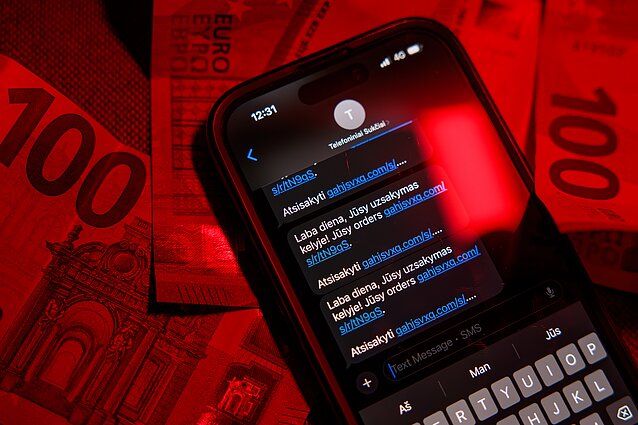















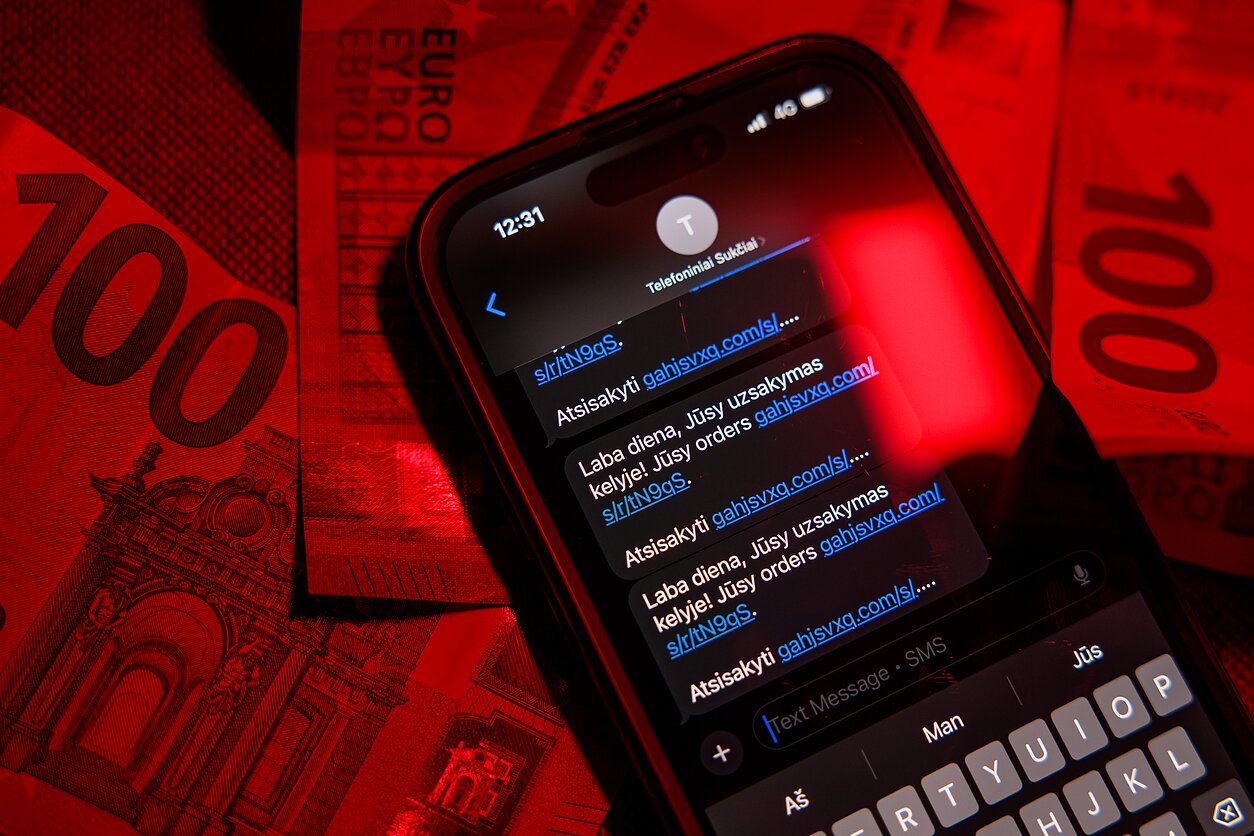
Lithuania’s central bank has proposed a package of legislative amendments aimed at curbing fraud and reducing financial losses for residents, as scammers continue to siphon off tens of millions of euros each year.
Bank of Lithuania said the proposed changes would introduce additional obligations for banks. If a bank fails to stop a suspicious payment, it would be required to compensate the customer’s losses. Residents would also gain the right to recover funds already transferred to fraudsters.
Commercial banks have offered mixed reactions, welcoming some proposals while criticising others.
Fraud remains widespread despite preventive efforts. Mobile network operators attempt to identify and block scam calls before customers answer. Last year alone, Telia blocked 15 million fraudulent calls. Still, scam attempts persist.
One woman who recently withdrew her accumulated pension savings was targeted by a wave of suspicious calls. Her son, Andrius, said she received nearly 40 calls over two days.

“On the first day, when the transfer hit her account, she got 20 calls. The next day, 18. We counted,” he said, adding that the calls came from different Lithuanian and foreign numbers, sometimes three times in 10 seconds.
Since autumn, banks, credit unions and electronic money institutions have been checking whether the recipient’s account number matches the name provided. But authorities say that is not enough.
More than 20 million euros were fraudulently obtained from residents last year – roughly the same amount as the year before.
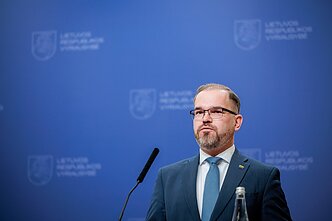
“About 70% of cases are already being caught. But when you see that 20 million euros still flows to scammers, clearly that 70% is not enough,” Prime Minister Inga Ruginienė said.
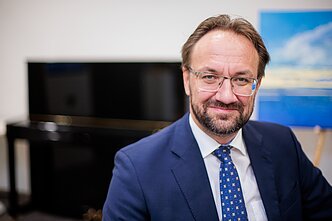
Gediminas Šimkus, board chairman of the Bank of Lithuania, compared the scale of fraud to a spreading fire. The central bank is proposing about 20 legal amendments to extinguish it.
Under the proposals, consumers would be able to reclaim money transferred to scammers, with banks authorised to debit funds from the recipient’s account. Banks would also be obliged to suspend payments if there are suspicions of fraud. If they fail to do so, they would have to compensate the customer.
Banks would also have to compensate customers if scammers obtained funds by impersonating bank employees.
The amendments would more clearly define payment authorisation, determining whether a transaction was genuinely approved by the account holder or carried out by a third party who obtained login credentials fraudulently.
Šimkus cited the use of the authorisation app Smart-ID as an example, saying that if a code is entered but it is clear the action was not taken of the customer’s own free will, the transaction would be treated as unauthorised.
Eivilė Čipkutė, president of the Lithuanian Banking Association, said it is too early to say whether customers will strongly feel the impact of the new authorisation rules. However, she acknowledged that other changes would be noticeable.
For example, customers would no longer be able to instantly increase their transfer limits. Instead, a four-hour “cooling-off” period would apply before a higher limit takes effect.
Čipkutė said banks support the proposal allowing funds to be recovered from scammers’ accounts, noting that the sector had long advocated for such a measure. However, she cautioned that the central bank’s proposals mainly target phishing – fake SMS messages, emails and phone scams – which account for about 83% of fraud cases, and may not address all methods used by criminals.
Some of the amendments could take effect this year, with others planned for next year.
PM Ruginienė said the changes would not mark the end of the government’s efforts, adding that stricter criminal liability for financial crimes is also under consideration.