










Lithuania could face multimillion-euro fines after failing to reduce air pollutant emissions as required under European Union rules, following a decision by the European Commission to refer the country to the EU’s top court.
The commission has sent Lithuania’s case to the Court of Justice of the European Union over noncompliance with emissions reduction targets. The Environment Ministry said the referral does not yet mean formal litigation has begun, but court proceedings could follow soon.
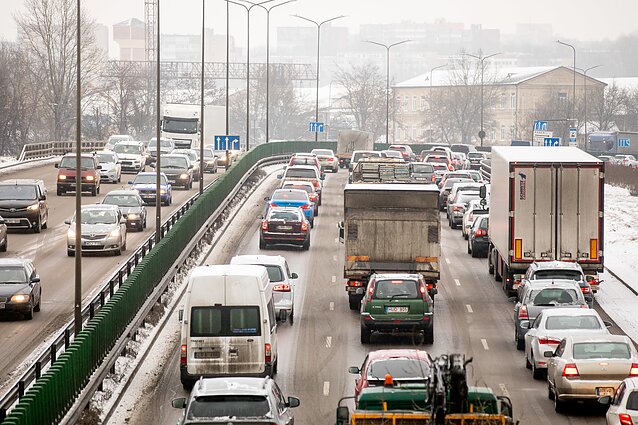
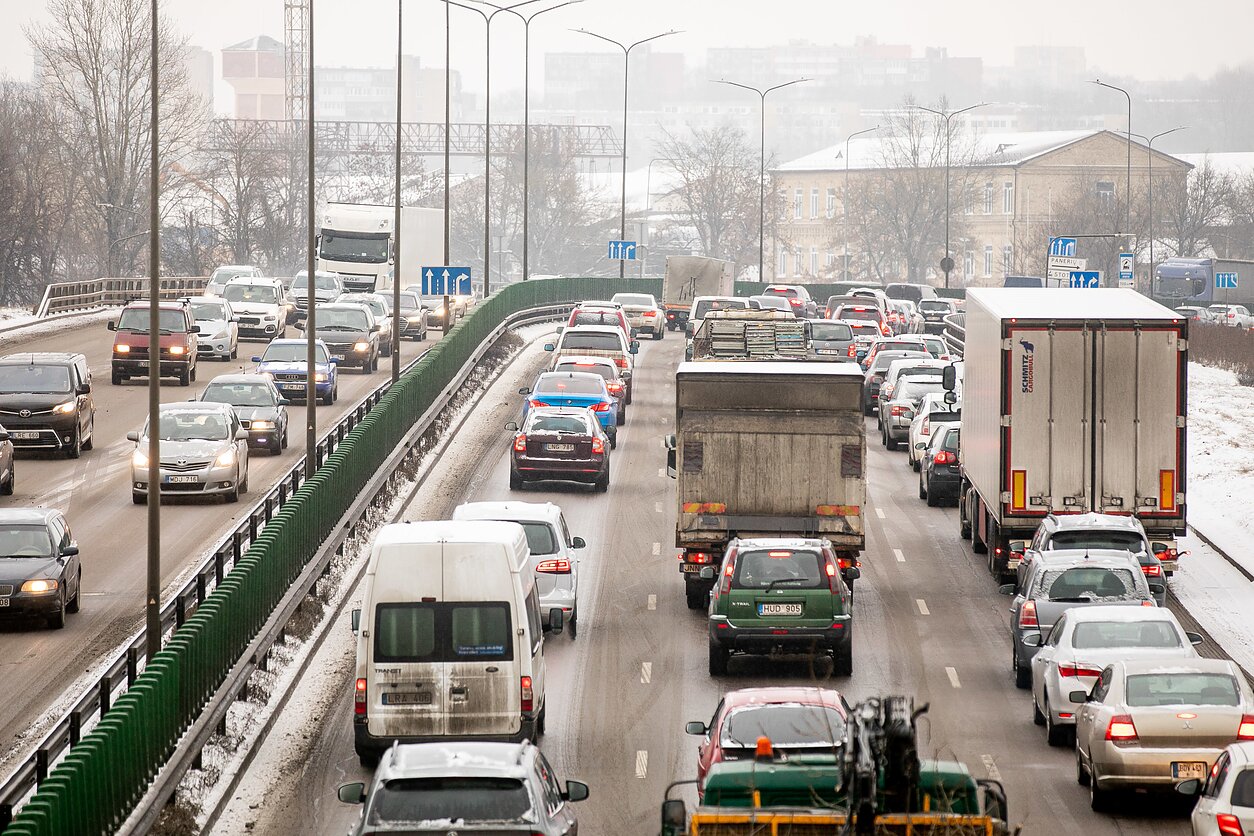
EU member states are required to cut certain air pollutant emissions by 14% by 2030, but Lithuania has struggled to meet those targets. Officials and experts say road transport remains the main source of pollution, compounded by insufficient investment in electric vehicles and cleaner transport alternatives.
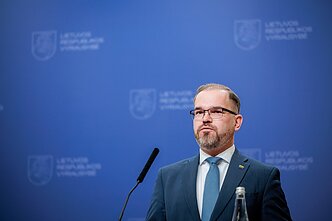
“The court may impose a fine – it could be a one-off payment, a penalty linked to time or tied to the implementation of specific measures,” said Vitalijus Auglys, head of the Environment Ministry’s pollution prevention group. “These fines are indeed painful.”

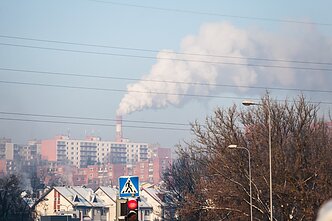
According to the ministry, nitrogen oxide pollution largely comes from heavy and passenger vehicles, as well as partly from the heating sector, while volatile organic compounds are generated by the use of paints and solvents and by oil storage.
One of the steps being taken at the municipal level is the introduction of low-emission zones. In the town of Panevėžys, a low-emission zone will be introduced in February on Respublikos Street, between Vasario 16-osios and Urbšio streets. Older, more polluting vehicles – typically manufactured before 2000 – will be banned from entering the area, with stricter requirements planned later.
Vehicles that violate the restrictions will be recorded by public order officers and fined under administrative procedures, said Vidmantas Kerpiskis, Panevėžys municipality’s chief management organisation engineer.
Experts say the number of cars in Lithuania continues to rise each year, with many of them older and highly polluting.
“Powerful and relatively old diesel- or gasoline-powered vehicles dominate, so emissions are not declining,” said Martynas Nagevicius, president of the Lithuanian Confederation of Renewable Energy. “As people become wealthier and the economy grows, additional income is often turned into additional cars – larger and more luxurious ones.”

Transport policy specialists argue that municipalities also need to invest more in cleaner vehicle fleets.
“It’s hard to find a city where municipal services are largely electric, even though they contribute significantly to pollution, especially in major cities,” said Martynas Norbutas, a representative of the Transport Innovation Association.
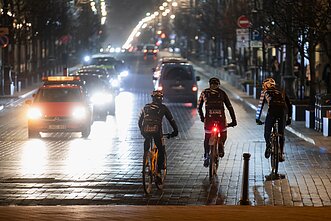
Lawmakers say expanding and improving public transportation is key to reducing emissions.
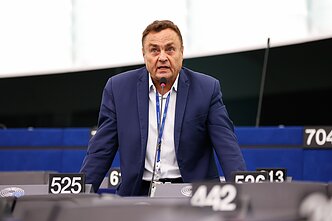
“It’s sad to see people using cars just to commute from residential areas to city centres and back,” said Linas Jonaskas, chairman of the Seimas Environment Protection Committee. “Public transport should be convenient, affordable, accessible and fast.”
Committee member Tomas Tomilinas said some progress has been made, including fare concessions for seniors, families and students, but warned that it is not enough.
“The government has resources – the Social Climate Fund and others – and can invest and gradually encourage society to change habits,” he said.
According to the Energy Agency, more than 44,000 passenger electric vehicles are currently registered in Lithuania.

Newsletter
Every Friday morning.