













Lithuania must decide this year whether to accept 158 migrants annually under the European Union’s newly approved Migration and Asylum Pact or pay about 20,000 euros for each person it chooses not to take. Countries that accept and integrate migrants would receive 10,000 euros per individual.
Interior Minister officials say Lithuania is considering a mixed approach – taking in some migrants while paying for others. But lawmakers remain split.
Dainoras Bradauskas of the Nemunas Dawn faction said Lithuania should decline all arrivals. “It’s better to pay the fee. I don’t think we need them here,” he said, arguing that Lithuania’s cities are safe and that the country should protect its families and “cleanliness”.
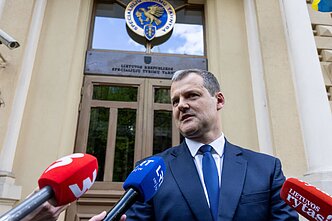
Opposition Democrats “For Lithuania” leader Saulius Skvernelis said Lithuania should invite only those who meet national needs and pose no threat. “We should have a consistent migration policy and talk about people we truly want to integrate – highly skilled individuals with a similar cultural background,” he said.

Social Democratic Party chairman Mindaugas Sinkevičius countered that Lithuania, bordering Russia and Belarus, often asks the EU for solidarity and should therefore show the same openness when southern states face migration pressures. “Solidarity cannot be one-way,” he said.
National Security and Defence Committee member Dainius Gaižauskas warned that migration carries risks and said the committee has repeatedly noted an expanding “spectrum of threats”, including individuals who may pose national security concerns.
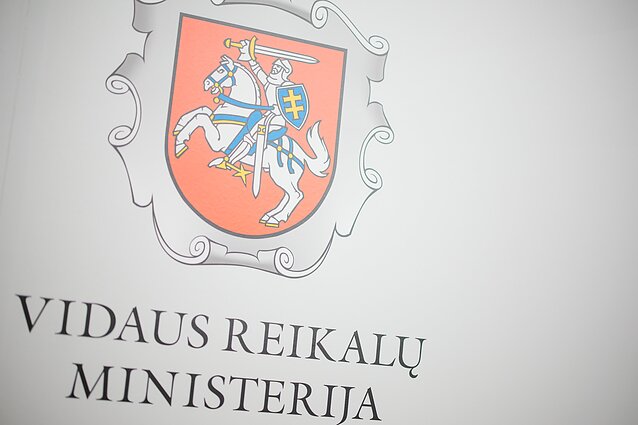
The Interior Ministry says all relocated migrants would undergo security checks, and Lithuania can request “culturally closer” applicants. Still, some lawmakers argue it would be safer to pay rather than accept any refugees.
MP Viktoras Fiodorovas, leader of the non-attached group, said Lithuania’s integration systems are already strained. Liberal Movement chairwoman Viktorija Čmilytė-Nielsen disagreed, saying Lithuania offers adequate conditions for newcomers who are willing to integrate.
The final decision will be made by the Migration Commission – consisting of ministers for the interior, social security, foreign affairs, and economy – after consultations with parliamentary committees.

Newsletter
Every Friday morning.