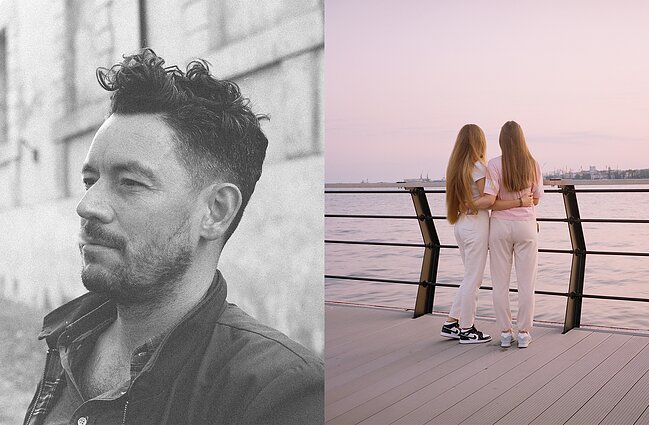









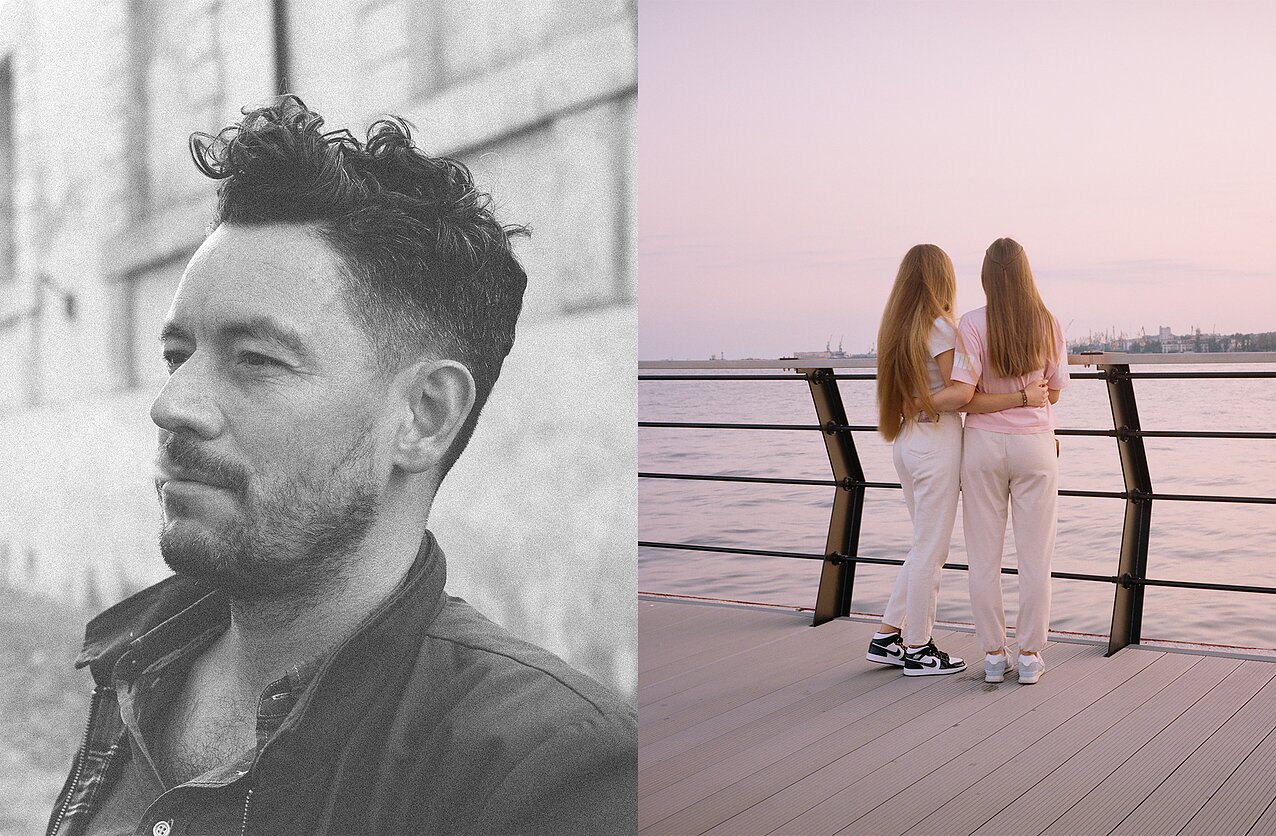
Patrick Wack, a renowned documentary photographer, first visited Lithuania two years ago to take part in the Vilnius Photo Circle Festival. Now, he sat down to speak with the festival’s organisers about his experience in the country, as well as his projects documenting often overlooked subjects – from Uyghurs to Azov Horizons.
Could you tell us a bit about your photography practice and what people should understand about your work?
I have a passion for history and geopolitics, and I try to combine that with places where I feel a certain poetic potential. What draws me to a place or subject is a convergence: it has to inspire me visually, make me want to photograph it, and also allow me to connect my photography to the broader history of the world.
That might sound pretentious, but I’m not trying to capture the entirety of world history. It’s more about choosing topics that feel like they tell significant chapters of what’s happening today – even though there are hundreds of such chapters unfolding at any given moment.
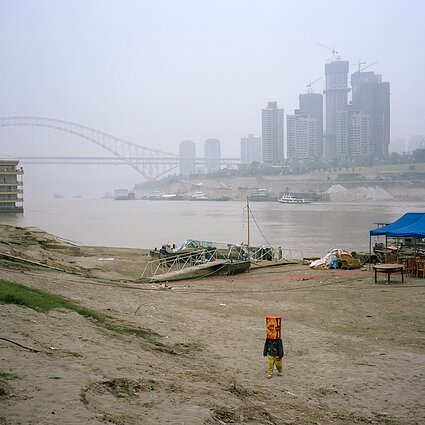
When I was in China, what struck me was the rapid urbanisation and modernisation of the country. That became a strong inspiration for my photography.
Later, there was Russia and Ukraine. I’m always searching for new topics and projects, but it usually starts with my encounter with a place – that’s what sparks the desire to photograph. At the same time, I need it to be something I can commit to over several years.
I prefer long-term projects, because the time of history becomes like an actor in the project. Unexpected things happen within the project – things you couldn’t have predicted at the start.
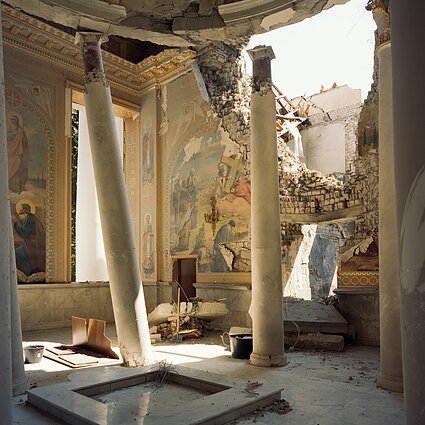
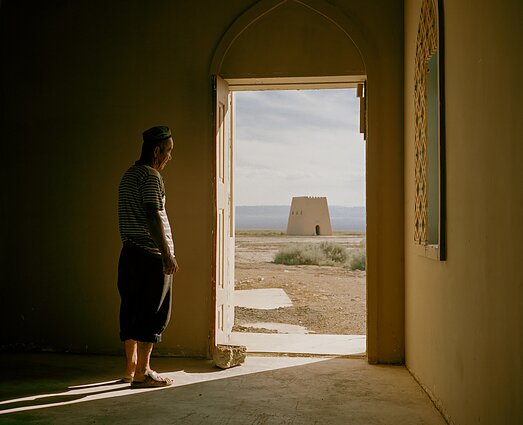
When I began the Azov Horizon project, I had no idea the war would start. When I started the larger project on Uyghurs, I didn’t know it would turn into a full-scale genocide.
Another important element of my work is balancing the human and landscape aspects. All my projects contain both – a mix of portraits and landscape photography.
Is there a particular way you approach finding a good theme to work on?
I consume a lot of news and documentaries – just to stay aware of what’s going on. Then, when something catches my attention, I might decide to go there or begin a project, even if no one else is paying attention to it yet.
The key is to combine my desire to create inspiring images with what’s happening in the world – politics and history.
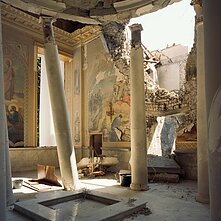
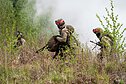
With Azov, it happened a bit differently. It began as a personal vacation. But then I had this encounter with the light and colours of the region, and it inspired me to start photographing.
After doing more research, I realised the region was interesting and under-documented – so I saw something I could develop into a project.
Most of the time, my projects start this way – by chance. A place I happened to travel to, or one I chose intentionally.
My reasoning for going to China, for example, was simple: I wanted to be a photographer, but I didn’t know how to take good photos yet. I didn’t know anyone in the industry. So I thought the best thing I could do was go where things were happening.
And then I stayed in China for 11 years. When I went to Russia, it was partly to join [my partner] Yevhenia. But I was also motivated by a desire to discover a new culture and start a new adventure, something that would inspire me to document. I struggle to do the work in France.
So, over the last 20 years, I’ve been trying to place myself in environments where I feel the urge to work. That’s been true for China, Berlin, and Russia.
Once you’re in a situation where you naturally feel the desire to photograph, everything flows more easily. Now, I’m learning how to recreate that feeling while living in France.
Projects like The Long River by Nadav Kander really influenced me. He did it over five trips to China. That helped me realise you can create powerful, relevant work as an outsider – and that you bring something unique when you're not from the place.
As you visited Lithuania two years ago, what do you remember about Vilnius and the Photo Circle festival?
It was a really good experience. The festival felt like both a professional event and a gathering of friends – almost like a boutique or family-style festival. That was special, because it felt like the organisers were doing it out of genuine passion.
There was a friendly, intimate atmosphere. It wasn’t impersonal at all.
We had an intense weekend filled with photography, meeting passionate people, and having great conversations.
It was also the first time I served on a jury, so that was something new for me – it felt like a real responsibility.
It was also my first visit to Vilnius, and I really enjoyed discovering this part of Europe. The city is beautiful – you can tell it’s a major city, but it still feels very human in scale.
Vilnius Photo Circle festival will take place on September 26–28. More information is available online and on Instagram.

Newsletter
Every Friday morning.