















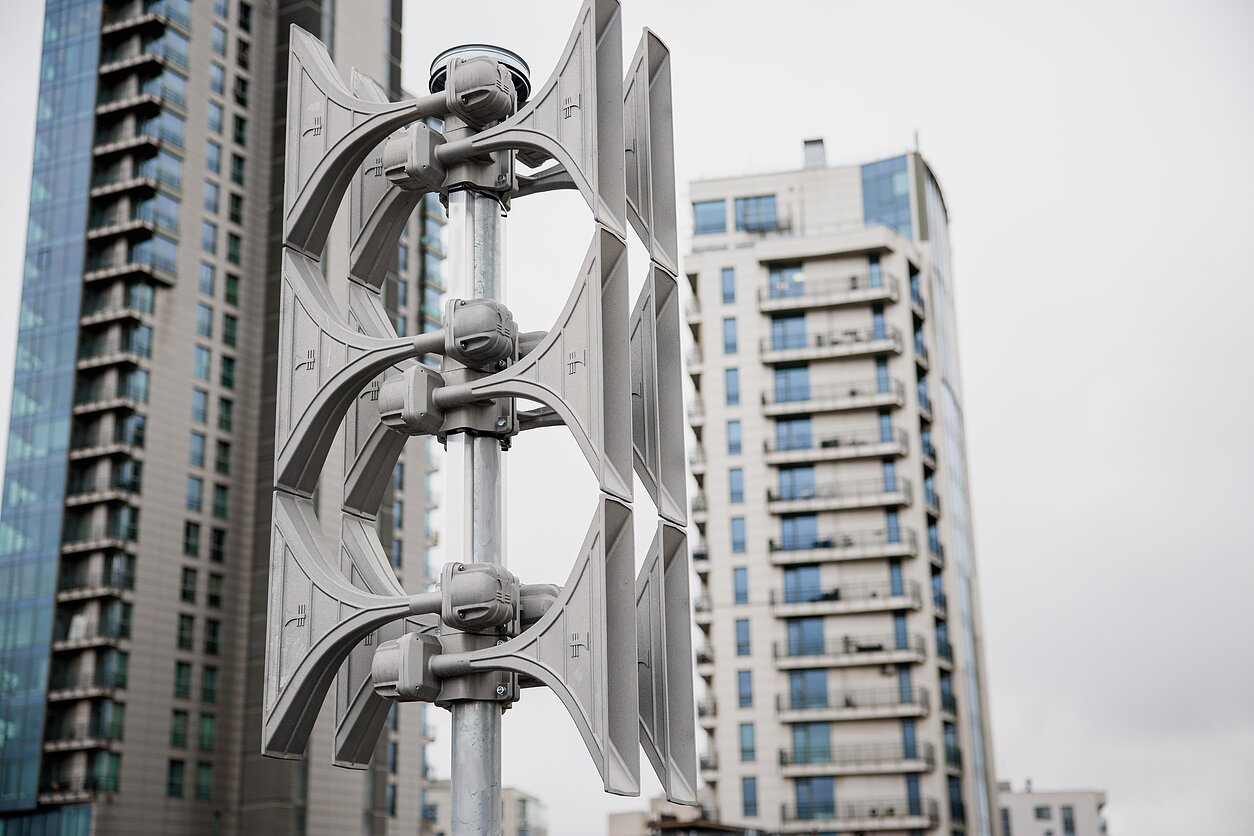
The modernisation of Lithuania’s emergency warning system for residents has been delayed by two years, and a significant portion of the allocated funds was redirected to other needs, according to a preliminary audit released Monday by the National Audit Office.
The report found that although €2.9 million was allocated to the Fire and Rescue Department (PAGD) for 2023–2025 to ensure the system’s cybersecurity and reliable operation, no work had begun more than two years after the project was scheduled to start.
According to the audit, €1.8 million – or 95% of the funds allocated for 2023–2024 – was reallocated with the approval of the Interior Ministry to cover PAGD employee social insurance contributions, severance payments and other departmental expenses.
The audit also highlighted that 78% of emergency warning sirens are not connected to a centralised system that would allow simultaneous activation, posing a risk that residents may not be alerted in time during emergencies.
In the event of a crisis, shelter capacity would also fall short. Approximately 361,000 residents would be left without space in shelters, and 200,000 more would lack protection in designated collective protection structures. More than 91% of existing shelters are not adapted for people with disabilities, the audit found.
These findings were part of a broader investigation titled “Modernisation of the Resident Warning System, Development of Collective Protection Structures and Shelters”, which the National Audit Office concluded early in order to urgently draw the attention of decision-makers and accelerate corrective actions.
The report noted that both the Interior Ministry and PAGD have begun taking steps to address the issues.
A plan for implementing a multi-channel alert platform, which will include sirens and the public warning information system, was approved earlier this year. The platform is expected to be in place by the end of the first quarter of 2028.
In addition, €27.5 million has been earmarked through 2030 to equip collective protection structures, while another €77 million is planned for the construction of new shelters.
The National Audit Office said it will continue to monitor the implementation of these measures and the progress achieved.

Newsletter
Every Friday morning.