






Lithuanians appear to be almost evenly split on the government’s plans to raise military spending to between 5 and 6 percent of GDP, according to a survey conducted by Vilmorus and commissioned by the BNS news agency.
In the representative opinion poll, 44% of respondents said they approved of the plan and 41.5% disapproved.
The rest of the respondents had no opinion on the issue.
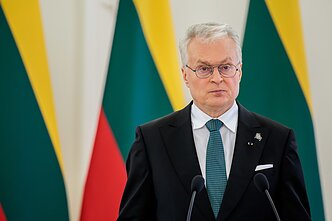
The plans to nearly double defence spending was announced by President Gitanas Nausėda in January after convening a meeting of the State Defence Council.
The plan is to increase defence spending to 5-6 percent of GDP during the coming five years in order to develop a division within Lithuania’s armed forces by 2030. This year, the state budget envisages 3 percent of GDP for the military, or about 2.5 billion euros.
The increases would require an additional 12 billion euros over the coming five years. The president has ruled out raising taxes to secure the money, saying he prefers borrowing and cutting other expenses instead.
“Society is divided, that is obvious. Some see more dangers in such a decision, others less,” Saulius Spurga, an associate professor at Mykolas Romeris University in Vilnius, commented on the poll results.
The survey shows that younger respondents are more in favour of increasing military spending, while support drops significantly among the groups over 50.
Higher earners, people with university degrees, professionals and civil servants are also more likely to support higher military spending.
The plan is also significantly more supported by residents of Vilnius, and to a lesser extent by residents of other major cities. Support is lowest in rural areas.
According to Spurga, the results show that the more vulnerable groups of the society are less likely to support the drive to increase defence spending.
He said that people in unskilled jobs and on lower wages might fear that increased defence funding would come at the expense of higher taxes or cuts in public services.

Newsletter
Every Friday morning.