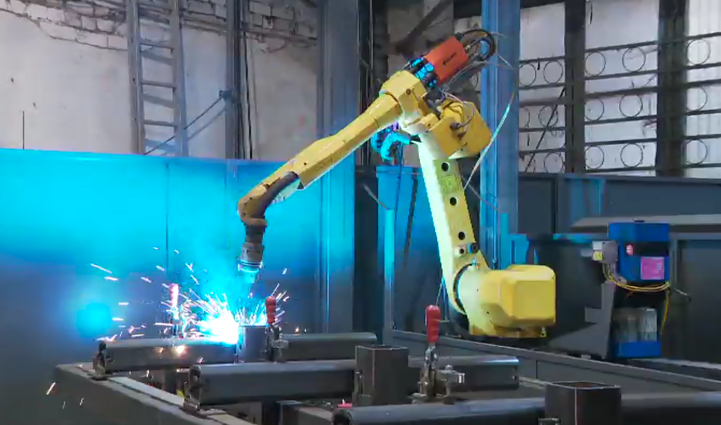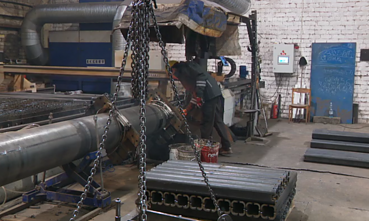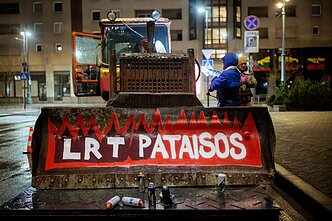











The construction of the Baltic defence line is picking up pace. Gelmesta, one of the firms contracted by the Lithuanian Defence Ministry and Vilnius Administration, is busy building hundreds of anti-tank barriers.
As part of the Baltic defence line, Lithuania aims to create several dozen parks to house the so-called counter-mobility measures like mines, razor wire, anti-tank hedgehogs, dragon’s teeth and other barriers. In the event of a military crisis, they would be used to fortify the border areas and cities.
"We use 12 to 15 tons of metal a day," said Donatas Jankauskas, the CEO of Gelmesta. "We can produce 60 dragon teeth per shift. We are currently planning an upgrade – if there is a bigger order, which is in the pipeline, we might produce around 150-180 pieces a day."
Further reading
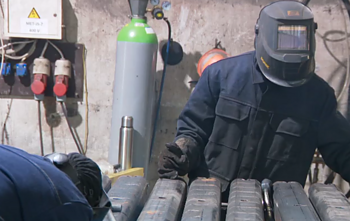
To meet the demand, the company had to employ extra hands and use construction robots. Supply chains were also a challenge, as they had to locate European subcontractors to help produce the metal profiles needed to build some of the specific barriers.
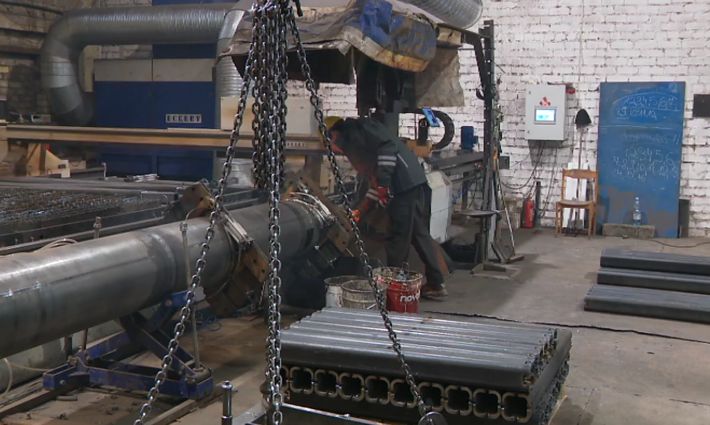
"It was almost a unilateral decision to take on the contract ourselves. After all, we are contributing [to defence]," said Jankauskas. "We also gained technological knowledge, which we didn’t have before."
The standard design of the anti-tank hedgehogs was improved after consulting the military. Now, they feature special hooks to attach razor wire.
Meanwhile, some of the barriers will already be shipped for storage in Vilnius, as the municipality is spending around 1.2 million euros on barriers, including 900 hedgehogs.
"These instruments can also serve a dual purpose, ie they can be used [...] to fence off areas during various mass events," said Andrius Grigonis, the deputy mayor of the Lithuanian capital
The stockpiled fortifications will be at the disposal of the Commandant's Office, the military administration that would function alongside the municipality during wartime.
However, some municipalities are still struggling to allocate land for the parks for storing the equipment, according to the Defence Ministry.
"We are now talking to municipalities to ensure that they provide places for counter-mobility parks everywhere," Defence Minister Laurynas Kasčiūnas said.
Further reading

Newsletter
Every Friday morning.