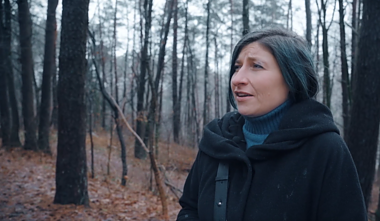










In an interview with LRT.lt, folklore researcher and ethnomycologist Vita Džekčioriūtė talks about people’s affinity with mushrooms in Lithuania.
“I am interested in mythology, and I approach all material from a mythological perspective, so what interests me most is the relationship between humans and mushrooms as living beings. [...] When people go mushroom-picking, certain practices and beliefs emerge that are linked to mythological thinking,” Džekčioriūtė said.
According to her, mushrooms appear as an ambiguous phenomenon in Lithuanian folklore.
“First of all, they emerge from beneath the earth, which was traditionally understood as the devil’s realm and domain. On the other hand, they are a good that provides people with security and food, and this is seen as a gift sent by God.
“That is why, in folklore, mushrooms can appear both as representatives of the devil and as gifts from God. Etiological tales about the origin of mushrooms tend to emphasise them as a divine gift given to humans,” said Džekčioriūtė.

Lithuanians were among the last pagans in Europe, believing in deities and various beings inhabiting nature and forests. A closer look reveals links between mushrooms and a wide range of mythical creatures.
“In many mushroom names, you find references to fairies and household spirits. Mushrooms that grow in unusual ways, especially in abundance, may be given names associated with mythical beings,” said Džekčioriūtė.
“People often call mushrooms that grow in ring clusters ‘bridges’. These ‘bridges’ may form in circles, or simply appear as a group spread out in one place,” she said.
The phenomenon of mushrooms growing in rings is not widely reflected in Lithuanian folklore. However, it has fascinated people around the world for centuries. Various explanations exist for how these rings form.
Some traditions claim that fairies or witches once danced in such circles, and that anyone who steps into one will be forced to dance until they collapse dead.
Elsewhere, it is said that the rings were scorched into the ground by a dragon’s tail, leaving a circle where nothing but mushrooms will grow for seven years.
Fly agarics used to kill flies
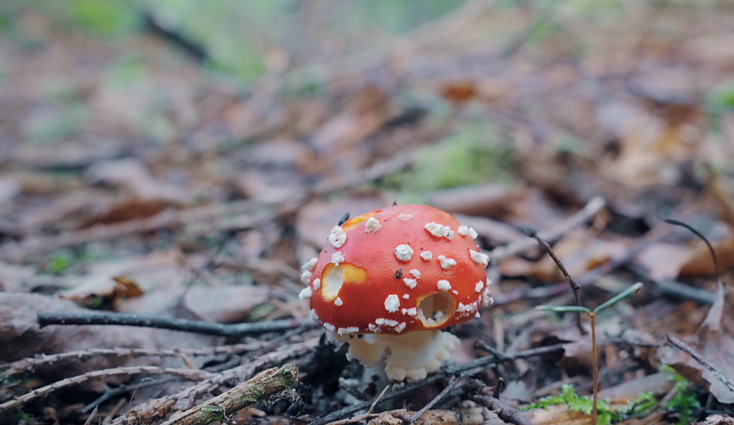
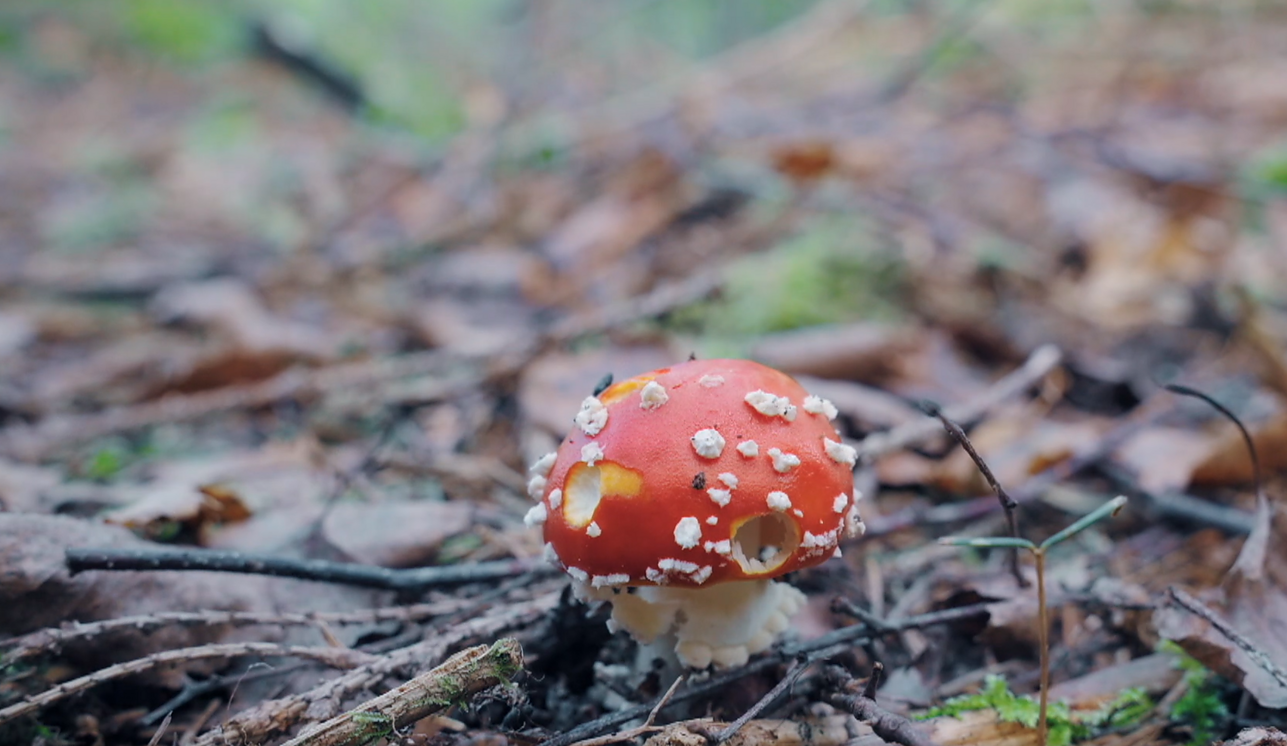
The ethnomycologist said there was no evidence of the psychedelic use of fly agarics (Musmirė, in Lithuanian) in older religious practices, although their toxic and hallucinogenic effects have long been known.
“In proverbs and sayings, we find expressions such as ‘he behaves as if he has eaten fly agarics’. As synonyms, plants like thorn apple and henbane also appear, which likewise have psychoactive effects.
“These sayings show that, in traditional culture, the effects of fly agarics were viewed negatively. Their practical use was well known: even the name ‘fly agaric’ is linked to killing flies,” she said.
People once believed mushrooms appeared after thunder.
“During field expeditions, I was surprised by one very elderly woman in eastern Lithuania, near Ignalina. She said that when there is a thunderstorm, the conditions are right for mushrooms to grow, and that is when you should go and pick them,” Džekčioriūtė said.

Newsletter
Every Friday morning.