















As of December, Lithuania is set to tighten the rules for applying for residence permits through external service providers. Applications will be open only to citizens of the country in which the office operates, the Interior Ministry announced on Wednesday.
It said the change reflects current immigration trends and the capacity of state institutions involved in processing applications.
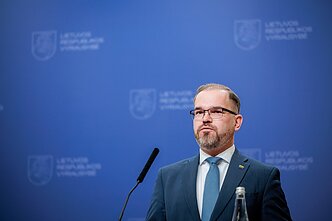
“This decision was made in light of present-day migration trends and potential threats to the security of our state,” Interior Minister Agnė Bilotaitė said in a press release.
“Our migration policy must align with national security interests, foreign policy priorities, labour market needs, and the institutional capacities of our state,” she added.
Citizens of countries without an external service provider office will still be able to submit temporary residence permit applications through providers in other countries if they plan to come to Lithuania for family reunification, highly skilled work, or studies in approved programs, including doctoral programs.
Foreign nationals will also be able to apply in another country if they are transferred within their company or intend to work as lecturers or researchers under employment contracts with Lithuanian research and study institutions. Those coming to Lithuania to work for a large investor or as part of a collective relocation program based on the Law on Investments are also eligible.
Lithuania closed the external service provider’s office in Nepal on September 2 over national security concerns. Foreign nationals who had applied for residence permits through this office by September 1 may schedule appointments there until December 31 and will be able to collect their documents after January 1.
Citizens of countries without an external provider office will be able to apply for national visas on all grounds except for cases where national visas are requested for posted or seasonal workers.
Application rules remain unchanged for citizens of India, Australia, Japan, the United Kingdom, the United States, Canada, New Zealand, and South Korea.
The number of external service provider offices has already been reduced from 34 to 30 this year, with closures in Lebanon, Jordan, Sri Lanka, and Nepal.

Newsletter
Every Friday morning.