










Less than a tenth of the Lithuanian population say they have given bribes over the past 12 months, a survey commissioned by the Special Investigation Service (STT), an anti-corruption agency, shows.
When it comes to corruption perception in public institutions, most people think medical institutions, the parliament, courts, municipalities, and political parties to be the most corrupt.
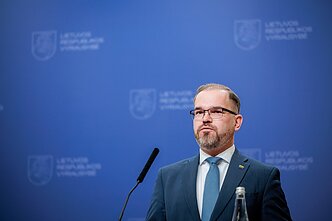
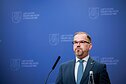
“In Lithuania, bribery is becoming less and less widespread, but people still view corruption as a problem. In the public opinion, corruption is most widespread in medical institutions, the Seimas, courts, municipalities and political parties. In addition, the perception of corruption in the energy sector has been declining for the third year in a row,” STT chief Linas Pernavas was quoted in a statement.
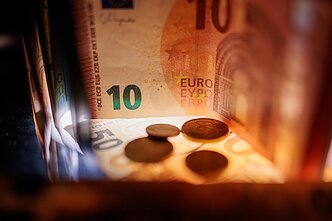
According to Lithuania’s latest “corruption map”, the share of people who have admitted to offering bribes has fallen from 24 percent to 9 percent over the last decade, but the corruption problem persists in Lithuania.
Thirty-seven of the respondents thought corruption was a very serious problem in the country, and the latest survey puts corruption in fifth place among the 19 problems ranked, up from 34 percent two years ago.
Company executives ranked corruption as a very serious problem in the ninth place (24 percent), unchanged from 2022, while civil servants ranked it seventh (28 percent), down from 32 percent in 2022.
One in five respondents thought that the level of corruption had decreased over the past year, while one in four thought it was getting worse.
The public, company executives and civil servants believe that medical institutions, the Seimas, courts, municipalities, political parties, and politicians are the most corrupt elements in the country.
At the local governance level, respondents identified public procurement departments or commissions, construction departments, land registry departments, business licensing and permits departments, and architecture and urban planning or territorial planning departments as the most corrupt.
The most common forms of corruption in Lithuania, according to the respondents, are nepotism, patronage by political party members, and legislation that favours particular groups.
The survey of 1,001 Lithuanian residents, 503 business executives and 1,374 civil servants was conducted by Kokybės Ekspertai, a market research company, in January-June.

Newsletter
Every Friday morning.