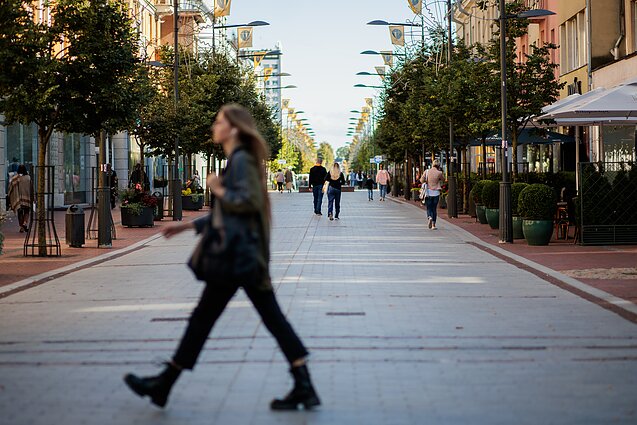










Manufacturing companies in Šiauliai, northern Lithuania, are short of staff and are trying to find ways to attract more specialists. One of the proposed strategies – 6,000-euro bonuses.
“We need a large number of IT specialists, project calculators, draughtsmen, and designers. The list of positions is very long and we are looking to fill all of them,” said Karolis Grigalius, the head of Ltintus.
The company, which already employs around 50 people and produces windows for the US market, is planning to expand. To meet the demand, it will need to recruit some 500 new workers.
Artilux NMF, another similarly-sized firm that manufactures lighting fixtures, is trying to find enough staff to work two shifts. However, qualified specialists are nowhere to be found.
“It's not just us, all over the world we have this problem,” said Unal Kont, the company's CEO.
Around 200 companies participated in the annual survey of employers in Šiauliai District this year. Two-thirds of them do not intend to increase production volumes, while one in seven plan to reduce their activities. Meanwhile, one in two employers faces a shortage of skilled workers.
“Disruption may result in not selling as much as we could produce and sell,” said Vytis Lembutis, President of the Šiauliai Chamber of Commerce, Industry and Crafts. “We also do not export as much as we could. On the other hand, we need to look for new investments in technology that could replace the shortage of skilled workers.”
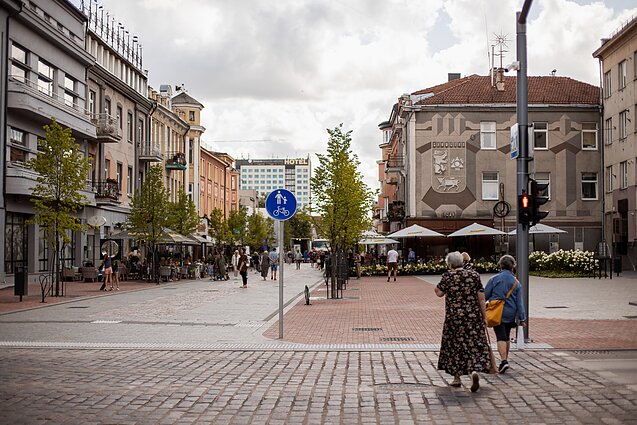
At the moment, Šiauliai is looking for as many as 114 different professions. A wide range of financial support is available for highly qualified professionals.
“Highly qualified professionals who get a job in Šiauliai can receive a one-off payment of 6,000 euros,” according to Šiauliai Deputy Mayor Justinas Švėgžda. “From January 1, every young family arriving in Šiauliai will also be eligible for support to buy their first home.”
Although the birth rate in Šiauliai is the lowest in a decade, the local authorities say the population is growing. This is due to newcomers from non-EU countries.
“But it is not easy, because, frankly speaking, the work culture is different and the attitude to work is different,” said Grigalius, the head of Ltintus.
This year alone, manufacturing companies in Lithuania have recruited over 5,000 workers from outside the EU. According to the Employment Service, around 15,000 foreigners from 76 countries currently work in Lithuania’s manufacturing companies.

Newsletter
Every Friday morning.