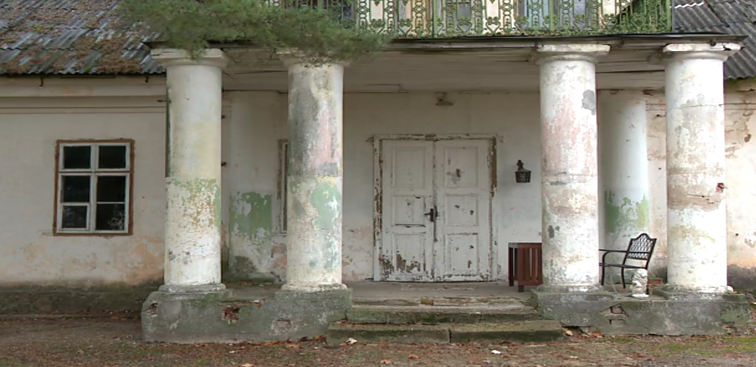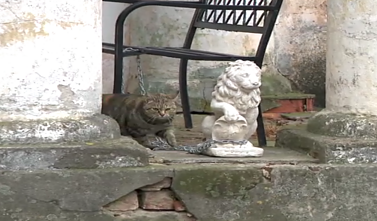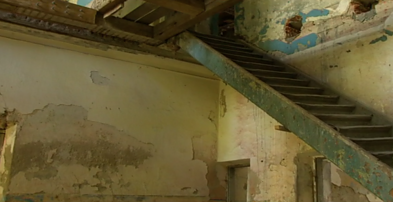













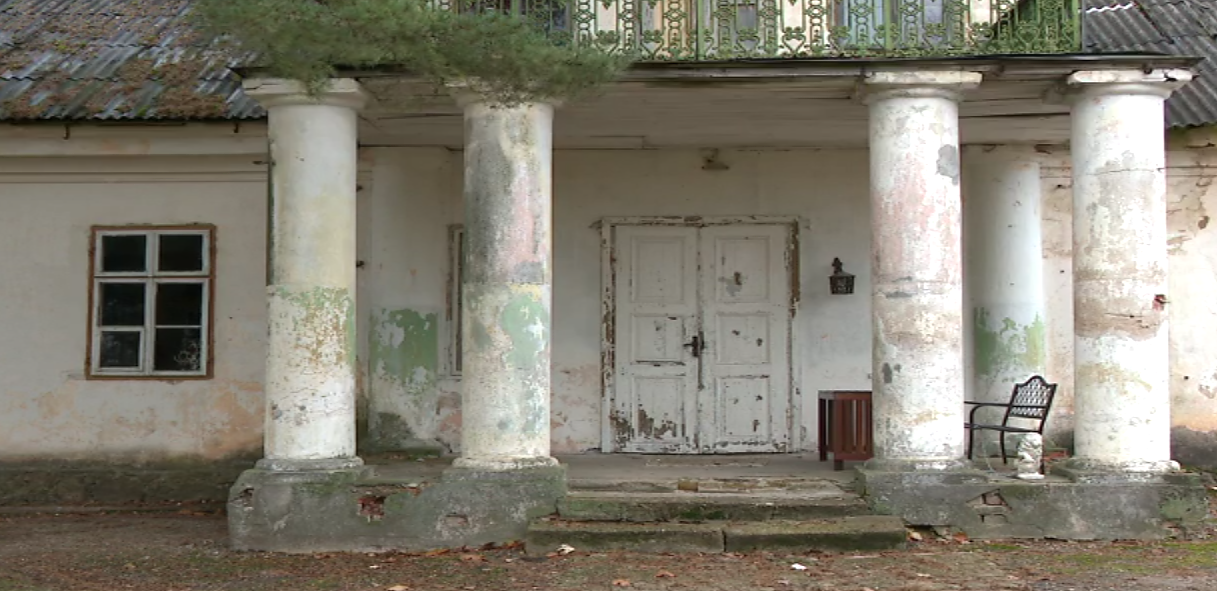
Kėdainiai District in central Lithuania is a municipality with one of the largest number of historic mansions. Unfortunately, many of these manor houses dating back to the nineteenth century or before are in a state of disrepair. Owners say red tape is what prevents them from taking urgent measures.
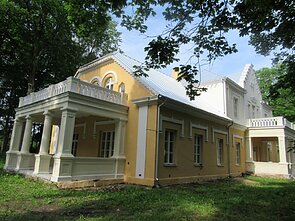
The owner of Lipliūnai Manor in Kėdainiai district bought the property four years ago. Having been unused for a couple of decades, it required extensive repairs. So far, only a couple of rooms are usable.
Žana Sakalauskienė, the owner, intends to restore the dilapidated building to its full former glory and to establish a museum. Archaeological and architectural studies of the building have already been finished, a restoration project has been prepared and a building permit has been obtained.
“You need to have some money for the initial push. Without all the designs and building permits and all the other permits and expert reports, you can’t even apply for any funding, not even European money from the Structural Funds,” says Sakalauskienė.
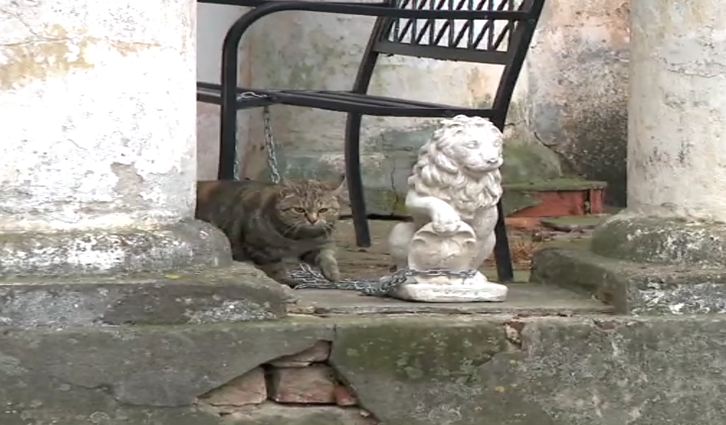
Kėdainiai District has be biggest number of listed historic manor houses, a total of 23.
“When, after 1991, people fancied becoming manor lords and bought up these buildings for small sums, they did not appreciate that they were living organisms and required large investments. They didn’t maintain them properly and they began to gradually fall apart,” says Edgaras Jasenka, a heritage specialist of Kėdainiai District Municipality.
The Department of Cultural Heritage is concerned: unless the owners start doing something quickly, a few more years later these listed properties may become dilapidated beyond repair.
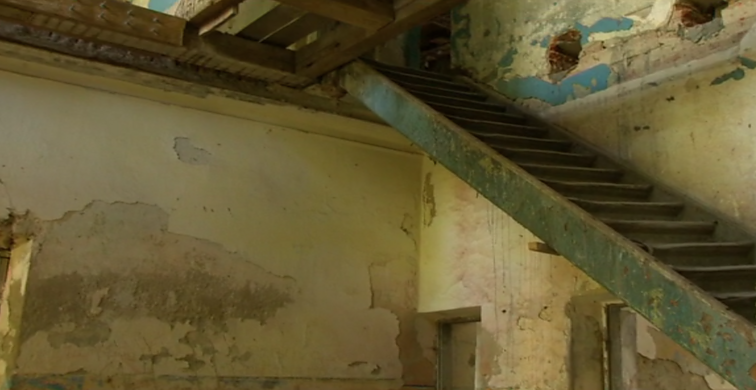
“The longer you do nothing, the worse the condition gets. One should at least take some temporary measures, prop up and cover up the cracks. One can board up windows and doors, although these are temporary solutions, you have to start thinking about what to do with the property,” says Asta Naureckaitė, a specialist at the Department of Cultural Heritage.
Owners say that the obstacles to faster reconstruction is not only financial, but also the lengthy and complex procedures for obtaining permits for any work on listed buildings.
Tautvydas Šiburkis, who bought Kalnaberžė Manor a year ago, says that so far he has been only allowed to work on the park.
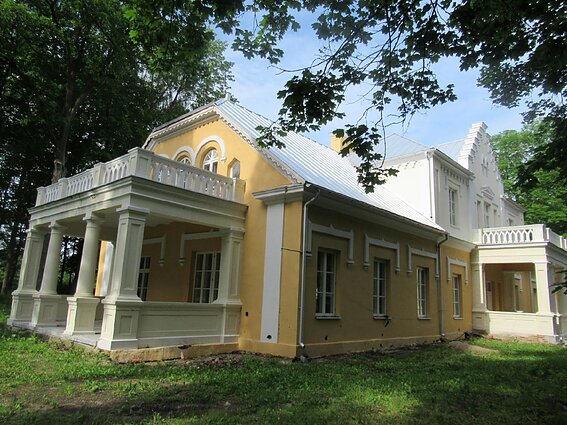
“The most painful thing is that we cannot at least conserve the crumbling buildings without a project,” he says, adding that while the main house is well maintained and beautiful, the outhouses are collapsing with their roofs caved in.
“And in order to be allowed to even touch them, you need an project,” complains Šiburkis.
Owners who undertake to open their properties to the public can receive compensation to conduct architectural, archaeological and polychrome studies and prepare restoration projects. However, they say, that only covers about a tenth of their expenses.
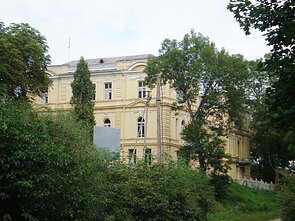
According to the Department of Cultural Heritage, all manor houses in Kėdainiai District have been privatised except for one, Apytalaukis.
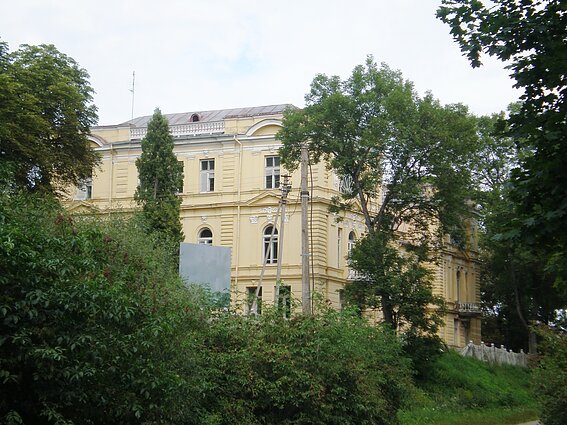
The majestic crumbling building, owned by the municipality, has not been used in a decade. The municipality, which does not have the funds for repairs, is seeking to have the property removed from the list of objects that cannot be privatised.

Newsletter
Every Friday morning.