














The Baltic states and Poland are targeted by a money extortion scheme that makes use of manipulated images of entertainment figures and top political leaders, according to the disinformation analysis centre Debung.org.
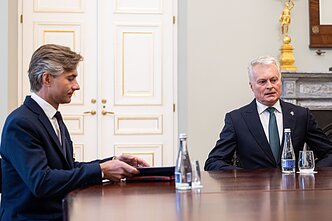
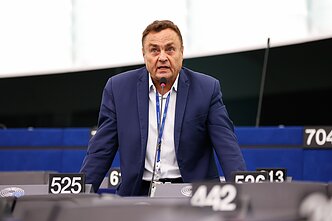
The scammers are exploiting an increasingly wide range of well-known public figures, from entertainment stars and athletes to the prime ministers and presidents of Lithuania, Latvia, Estonia and Poland.
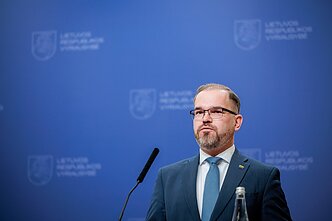
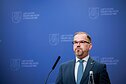
“The fact that top leaders are being exploited for this campaign of disinformation and discreditation also makes this a matter of national security and international reputation of states,” according to Viktoras Daukšas, head of Debunk.org. “Social media platforms do not have any safeguards to prevent criminals from impersonating big brands such as Ignitis, Orlen Lietuva, or exploiting photos or videos of heads of state.”
“As we have three upcoming elections next year, this is a major threat that could be exploited by actors unfriendly to Lithuania,” he added.
Fraudsters are becoming increasingly sophisticated in manipulating images and videos, and employing AI-based deepfake video technology.
In Lithuania, fraudsters have already used the images of more than 20 leaders, politicians, journalists and influential public figures.

The campaign was launched at the beginning of this year and the fraudster have stepped up their activities even further in November, the centre warns. At least 124 profiles and 119 fake website addresses have already been used. These accounts have shown as many as 1,144 fake Facebook ads and reached an audience of almost 10 million users.
Debunk.org believes the disinformation campaign has contributed to the statistics published by the Association of Lithuanian Banks, showing that fraudsters stole 2 million euros from Lithuanians in the third quarter of this year.
Most of the fake profiles mimic Lithuania’s major media channels: LRT, LNK, Delfi, InfoTV. Some also pretend to belong to big companies such as Ignitis and Orlen Lietuva. Popular websites in other countries have also been targeted by fraudsters.
Attempts to stop such attacks have so far been unsuccessful, even though government representatives have approached Facebook’s owner, Meta, the centre says.
Daukšas urges people to be critical of the content they see on social media and regularly check whether it is not wake.
Debunk.org recommends contacting the police after spotting a fake profile.

Newsletter
Every Friday morning.