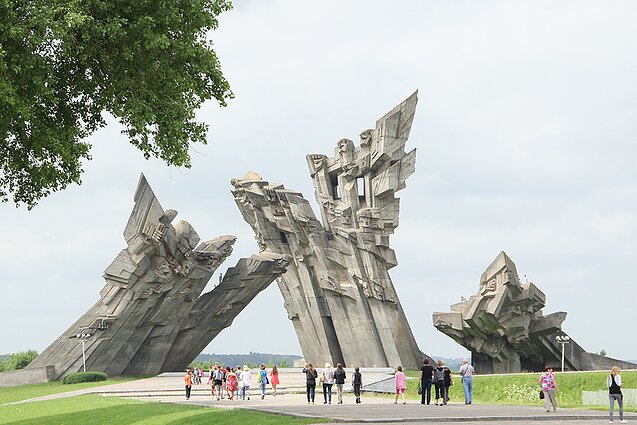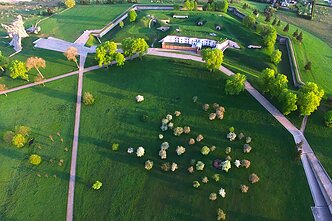





On June 16, the Kaunas Ninth Fort Memorial Complex will host an exhibition of textiles and art objects made by Siberian deportees, the museum said in a press release.
"The people who were forcibly torn away from their native environment did not break down, they continued to love life, preserve their customs and memories and cherish the hope of one day returning," said Marius Pečiulis, Director of Kaunas Ninth Fort.
"Textile works born under the difficult and merciless conditions of exile have been preserved and brought back to Lithuania. Unfortunately, in some cases, they are the only surviving witnesses of tragic events," he added.
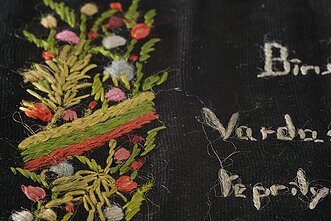
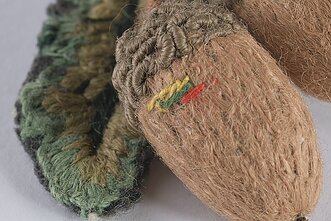
Lithuanians in exile created various commemorative booklets and textile prayer books. These were small-format, hand-embroidered works in various colours with texts and images of one or more sentences. They often featured elements of the cross and trees found in Lithuania.
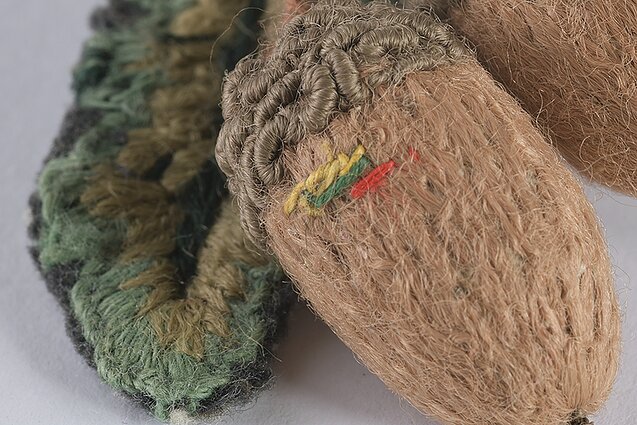
The deportees also created embroidered text cards, handkerchiefs, collars, boxes and jewellery. Such handicrafts were made in secret and many of them were intended as gifts for the people closest to them, even though it was naturally impossible to pass on the gifts to relatives in Lithuania.
"We want to tell the horror and reality of exile when people were forcibly taken away from their homes to the distant, harsh lands of the Soviet Union. We want humanity to learn the terrible lessons of history and not to repeat them," said Džiugas Karalius, one of the artists taking part in the exhibition.
Around 300,000 people from Lithuania were deported or imprisoned in labour camps during the Soviet occupations in 1940-1941 and 1944-1990.
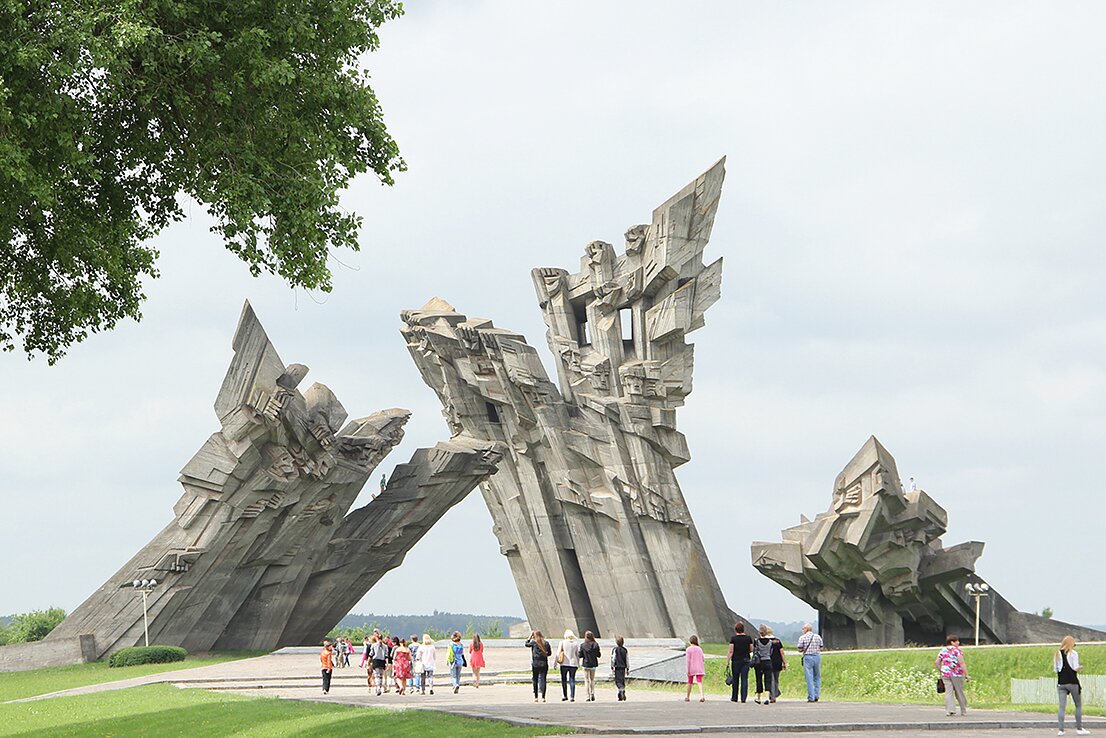
The ninth fort in Kaunas has a permanent display dedicated to the thousands of Lithuanian and European Jews killed during the Holocaust, as well as the people murdered at the hands of the Soviet authorities.

Newsletter
Every Friday morning.