













Every year, the Lithuanian state sells hundreds of properties whose owners have passed away without any heirs. These include prime real estate in central Vilnius as well as low-value homes in the provinces. Part of the reason is Lithuania’s deteriorating demographic situation, says a researcher.
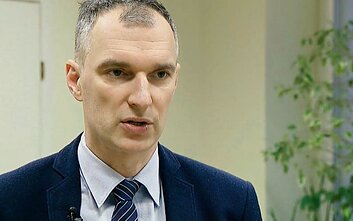
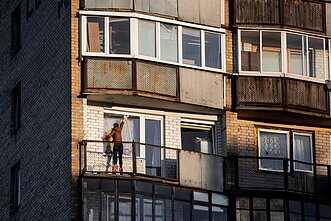
Miroslavas, an employee of the state property management fund Turto Bankas, shows around an apartment in one of Vilnius’ residential neighbourhoods. Its owner has recently passed away and, in the absence of a will and close relatives, it has been taken over by the state,
“The apartment is already being appraised,” he says.
The Lithuanian state thus “inherits” about 400 apartments, houses, garages, warehouses, garden sheds and other pieces of real estate every year. In one-third of the cases, the properties are co-owned with other people.
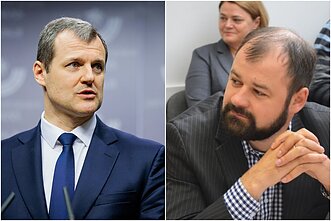
Mindaugas Sinkevičius, the head of Turto Bankas, says that such properties are usually located in the countryside, although occasionally he comes across some prime real estate.
“Last year, we sold several apartments in the Old Town of Vilnius, where the sums were around several hundred thousand euros. But, of course, these are exceptional properties,” says Sinkevičius.
Last year, Turto Bankas sold a total of 266 properties inherited from owners without heirs, fetching more than 3 million euros for the state. Over the first half of this year, the proceeds amounted to 1.5 million.
In the most common situations, properties are left after the death of single people without heirs or close family. Sometimes, the owners deliberately bequeath their property to the state in their will.
There are also cases where the heirs refuse to accept inheritance because debts exceed the value of the property.
“If [the deceased] is an entrepreneur, it is natural that they may have debts higher compared to an ordinary person living off their wages. The debts range from several hundred euros to several million,” says Marius Stračkaitis, president of the Chamber of Notaries.

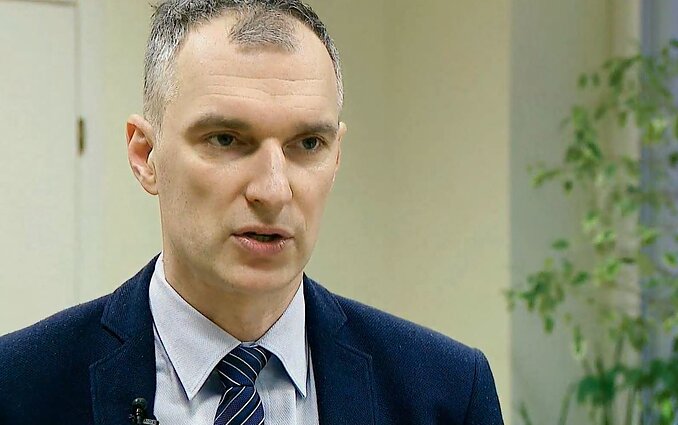
According to researcher Donatas Burneika, the proliferation of property without owners reflects Lithuania’s demographic situation – an ageing population with increasingly many single and lonely people.
“People don’t have relatives, they probably don’t have close friends either. Many of those people who die without leaving their property to anyone are probably quite poor. And they have other problems, not just loneliness,” says Burneika, who studies urban-rural divides at the Centre for Social Sciences. The situation may only deteriorate in the future, he adds.
However, there are alternatives to bequeathing one’s property to relatives and more people may make use of them in the future, some believe.
“In the West, single people often leave their property to a church, a hospital or a nursing home. Maybe we don’t have that practice here yet, which is why the state inherits so much property,” Sinkevičius muses.
This year, some of the housing taken over by Turto Bankas was not sold. Around 30 flats have been renovated and adapted to accommodate some 100 Ukrainians who fled to Lithuania from the war.

Newsletter
Every Friday morning.