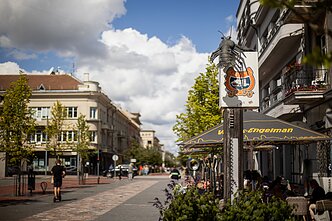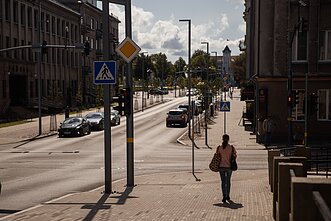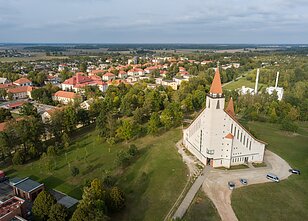










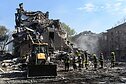






Lithuania's population has been shrinking and Vilnius is the only major city that has not lost population over the last decade. Some places even risk loosing their “big city” status.
Traditionally, five towns in Lithuania with populations of over 100,000 have had the status of "didmiestis" or "big city": Vilnius, Kaunas, Klaipėda, Šiauliai, and Panevėžys.
According to the latest census, however, the population of Panevėžys has contracted by 11 percent over the last decade and now stands at just under 86,000. Šiauliai, meanwhile has shed 8 percent of its population and now balances on the 100,000-mark.
Emigration is a major reason, as is lower fertility rates.
“Over the last five years, we've been observing slightly diminishing numbers of newborn babies,” says Vilma Melenienė of Šiauliai Registry Office.
According to Šiauliai Municipality, which quotes a more optimistic figure from the Centre of Registers, the town's population is 111,000, securely above the "big city" limit.
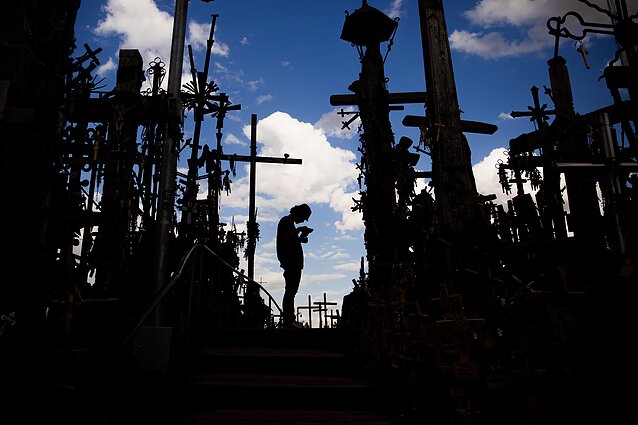
Šiauliai has also seen an increase in foreigners declaring residence here.
“We know about cases when Ukrainian nationals are setting up their construction businesses here, small logistics companies,” says Justinas Švėgžda, a spokesman for the municipality.
Local businesspeople agree that having a growing or at least stable population is important for business. Moreover, funding for municipalities from the central government also depends on population.
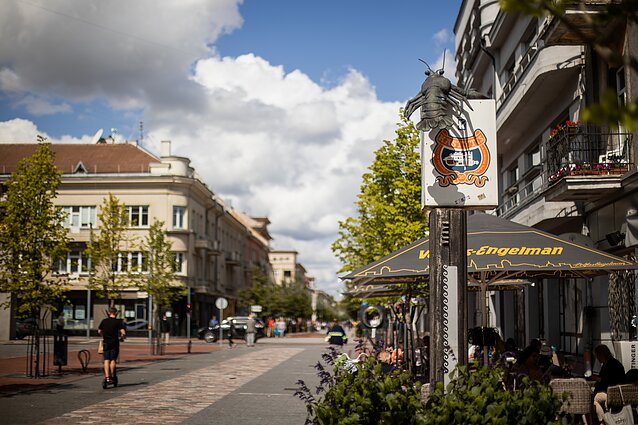
“Big cities can have more council members, more deputy mayors, public servants in a city are paid more,” says Mindaugas Sinkevičius, president of the Association of Municipalities.
While Lithuania's population contracted by 8 percent over the last decades, some rural municipalities, as well as Vilnius, have experienced some growth.
Akmenė District Municipality in the north of Lithuania, with a population of about 20,000, has been adding around 700 residents a year. It now has set itself an ambitious goal of increasing its population by one third by 2030.
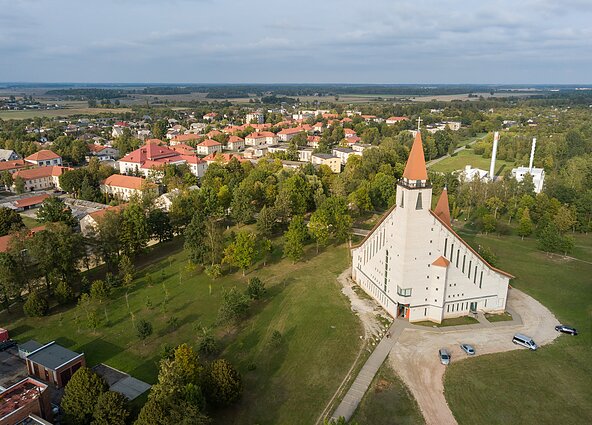
“The goal of 30,000 people entails a range of measures,” says Akmenė District Mayor Vitalijus Mitrofanovas. “Creating jobs, making the district more attractive, improving public services, education.”
However, there may be a more technical reason why some places lost more people in the last census. Many people are officially registered in a different municipality from the one where they actually live. This time, statisticians examined property registries and assigned people to the place where they have their primary residence.

Newsletter
Every Friday morning.