








On Wednesday, the Lithuanian government decided against introducing mandatory vaccination for select professions. However, under the cabinet's proposal, the state would no longer pay for coronavirus tests of workers who do not want to get the jab.
If the Seimas passes the amendments proposed by the cabinet, they will take effect on December 1, giving the unvaccinated enough time to get fully inoculated.
The state would then only subsidise the testing of workers who cannot get vaccinated for medical reasons.
The rules would stay into effect as long as there are sufficient amounts of vaccines available to the public. The country currently has over 1.2 million Covid-19 vaccine doses in stock.
The government has not outlined which workers would have needed a mandatory vaccine, saying that a list would be approved by the appropriate institutions.
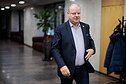
"The government has the authority to approve a list of jobs and activities in which unvaccinated workers and those who have not had the infection are allowed to work if they get tested regularly," Health Minister Arunas Dulkys told the cabinet.
"Currently, this testing is financed by the budget. [...] From now on, health checks for [Covid-19] should be paid for by the employee or by the employer if the employer decides so," he added.
According to the Baltic News Service, Prime Minister Ingrida Šimonytė told reporters that while taxpayer-funded testing of unvaccinated people was understandable when the country did not have enough vaccines, it is " hardly justifiable" now when jabs are freely available.
Testing of unvaccinated workers currently "costs taxpayers millions of euros and can only be justified when there are no alternative means of managing the pandemic, that is, the vaccines", she said.

Newsletter
Every Friday morning.