







The Lithuanian government has adopted a plan to gradually lift the current lockdown restrictions.
On Wednesday, the government adopted the plan with minor adjustments from the previous draft version. However, the steps may be adjusted each week, according to the contry's Health Minister Arūnas Dulkys.
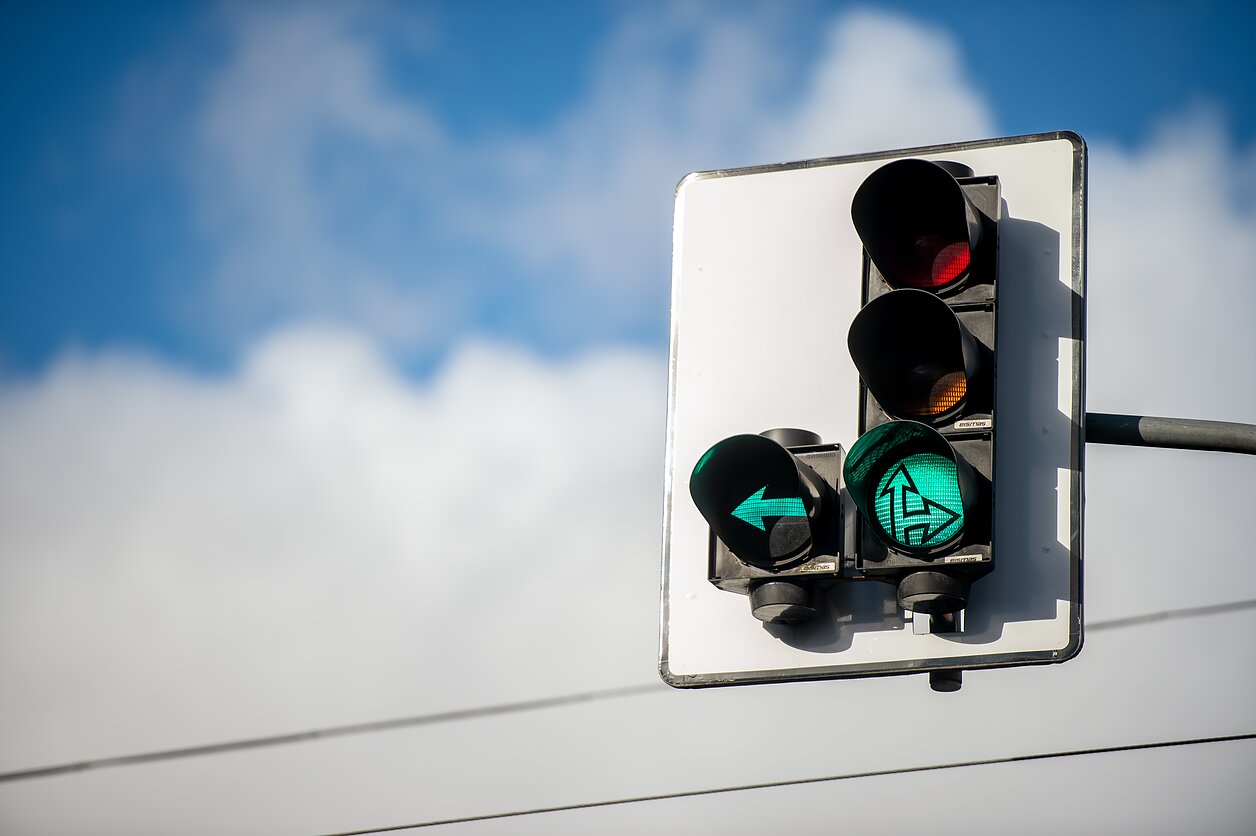
The steps – divided into scenarios C, B, and A (or red, yellow, and green) – will depend on the infection rates (measured as the number of newly diagnosed infections over the last 14 days per 100,000 people) and the share of positive coronavirus tests.
The different scenarios can also be applied in individual municipalities, if they clear the set benchmarks.
Importantly, restrictions on movement between municipalities will be maintained until infection rates fall below 25 cases per 100,000 (Scenario A) across the country. Wearing facemasks in public will also remain mandatory.
On Wednesday, Lithuania's 14-day rate stood at 313.5 cases, according to the country's statistics department.

Scenario C – Red
Infection rate: 200–500, share of positive tests: 4–10%
- Non-essential shops with direct street access and floor space of under 300 square metres are allowed to reopen. They must limit customer flow to 20 square metres per person.
- Beauty services are allowed to resume, servicing one customer at a time or ensuring 20 square metres per customer.
- Services that require no more than 15 minutes of contact are also allowed to resume.
- Healthcare institutions can resume non-essential inpatient services.
- Outdoor one-on-one training sessions are allowed.
Infection rate: 150–200, share of positive tests: 4–10%
- Shops with direct street access and floor space of under 1,500 square metres are allowed to reopen, limiting customer flow to 20 square metres per person.
- Museums, galleries, library reading rooms can reopen. They must ensure 20 square metres of floor space per person. Visits are limited to groups of two or more if from the same household.
- Primary schools can resume teaching in classroom. The country's vaccination efforts will prioritise teachers.
- Short visits can resume in detention facilities.
Infection rate: 100–150, share of positive tests: under 4%
- Shops with direct street access and floor space of under 3,000 square metres are allowed to reopen, limiting customer flow to 20 square metres per person.
- Final-year school students can return to classrooms, while some teaching can continue online.
- More lockdown exceptions for higher and vocational education.
- Drive-in public events, where attendees stay in their cars, are allowed.

Scenario B – Yellow
Infection rate: 50–100, share of positive tests: under 4%
- Two-household events and contacts are allowed.
- Services are allowed, as long as customer flows are limited to 15 square metres per person, and no more than five people are inside at the same time.
– Indoor one-on-one training sessions can resume.
- Cafes and restaurants are allowed to seat customers outside.
- Outdoor and indoor retail is allowed, ensuring 20 square metres per customer.
- All schools can resume teaching in class.
- Non-formal education is allowed in groups under five.
- People can gather in public places in groups of five. For indoor activities, at least 20 square metres per person must be maintained.
- Regular visits are allowed in detention facilities.
Infection rate: 25–50, share of positive tests: under 4%
- Kiosks and pavillions located inside markets and shopping centres are allowed to reopen.
- Spas and wellness services can resume.
- Higher and vocational education can resume in-person.
- No more restrictions on non-formal education.
- Hospital visits can resume as usual.
- Sports and leisure activities are allowed indoors with up to five people and ensuring 20 square metres of space per person.

Scenario A – Green
Infection rate: under 25
- Facemasks are no longer mandatory in public places.
- No limits on social contacts.
- No limits on movement between municipalities.
- Cafes and restaurants can seat customers indoors.
- Public events are allowed: up to 50 people indoors and 100 people outdoors.
- Retailers and providers of services must limit customer flows to one person per 10 square metres

Newsletter
Every Friday morning.