











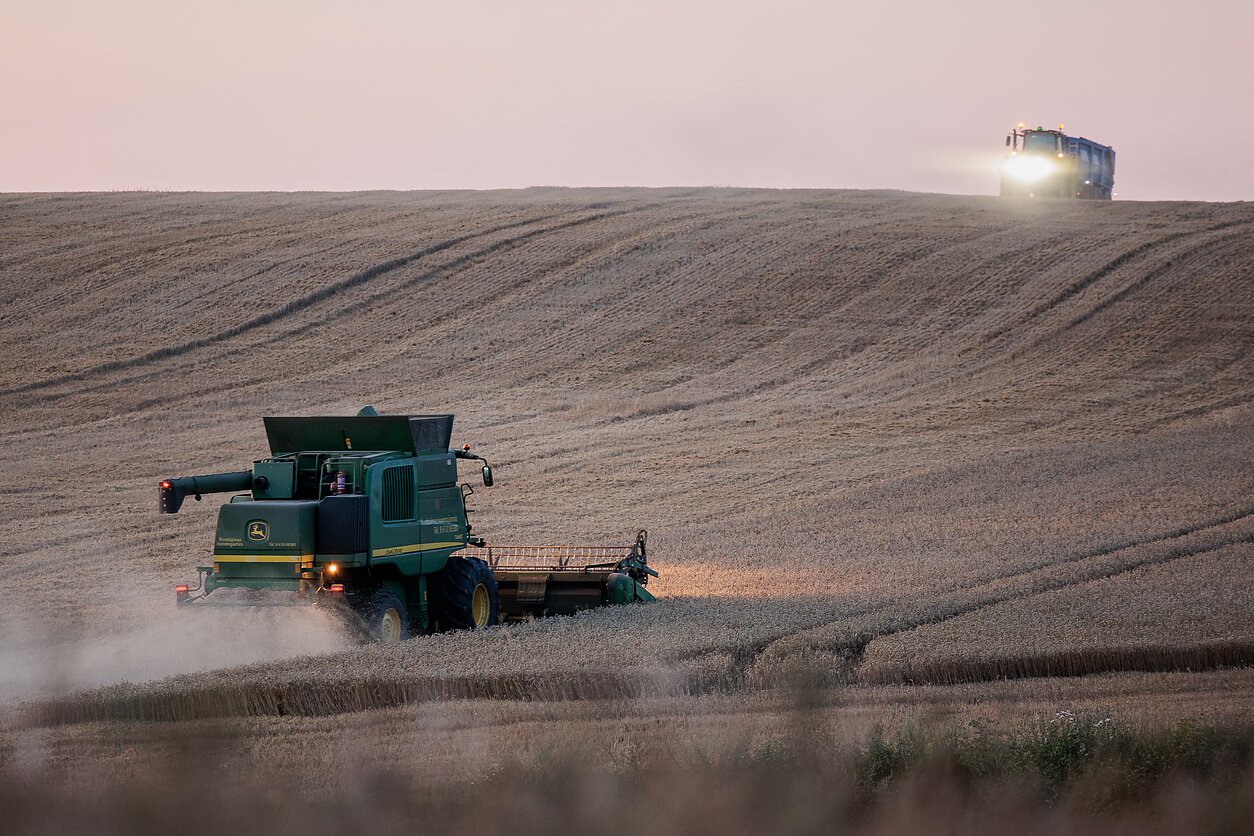
Farms across Lithuania are relying increasingly on foreign workers, and farmers expect the trend to continue for years to come. The country's Vegetable Growers' Association says almost all farms are struggling to find staff, particularly for short-term work, driving a rise in the use of foreign labour-hire agencies.
According to Lithuania's Employment Service, more than 5,000 foreigners are now employed on the country's farms, with the majority coming from outside the EU, though numbers from within the bloc are also rising.
At one farm in the Kaunas district, a third of the workforce comes from Ukraine. Olha, one of the farm's Ukrainian workers, moved to Lithuania to be with her son, Andriy.
"I came to look after my granddaughter. After a month I decided to go out and work [...] We make meat rolls, sausages, we do all sorts of jobs in the workshop – if they need help in the dairy, we go there," she told LRT.
"[The farm owner] took us on, we work, the pay is good, the conditions are decent," said Andriy.
The farm's owner, Audrius Banionis, said he had previously employed workers from Kazakhstan, Tajikistan, Uzbekistan and Mozambique. '
"You could write jokes about their work," he said, adding that he found it a bit easier to reach an understanding with Ukrainian workers.
"Just like Lithuanians, there are all sorts foreigners – some who drink, some who eat well, some who are lazy, some who wander off. It's the same with Ukrainians, but as a workforce, I'd say they're probably more culturally close to us," he said.
Banionis said he had bought flats and houses to accommodate his foreign workers, and also tries to look after their free time.
"You wouldn't believe it, we dance and sing with them, but we try to help them settle in," he said.
According to Paulius Andriejavas, chairman of the Vegetable Growers' Association, almost every farm is short of workers, with the problem particularly acute when extra hands are needed for short periods, such as during harvest.
"We have a few hired workers, they're from Africa, from Pakistan, but we're trying it out, taking the first steps, and we'll see how it goes," he said, adding that only around two in ten foreign workers meet expectations.
"Farms aren't places any more where work can be done just any old way. There are requirements for packaging, for product quality, for how goods are prepared. The standards are high," he said.
Farmers expect the number of foreign workers to keep rising over the next five years, as fewer Lithuanians are willing to take on such jobs.
"What's most in demand is livestock work – as a rule, in Lithuania, especially around towns and cities, no Lithuanian wants to go near it, there's manure and so on," said Mindaugas Maciulevičius, head of the Kaunas branch of the Farmers' Union.
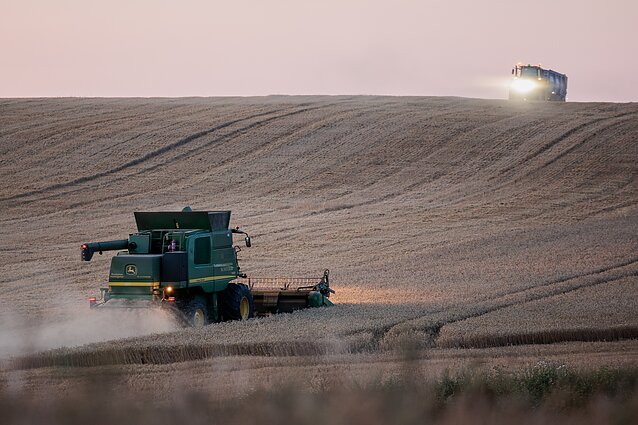
As agriculture becomes more mechanised, farms are increasingly short of skilled workers too.
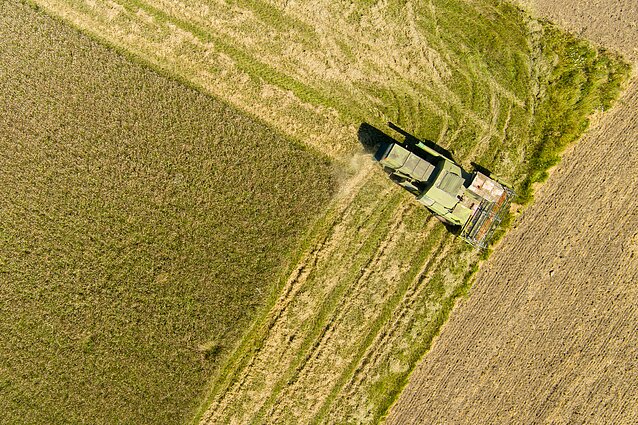
"Around 20% are doing unskilled work, roughly speaking, all the rest are people with particular specialisms needed in our agriculture sector. That means, above all, operators of agricultural machinery, so drivers of tractors, combine harvesters and other specialised equipment, and another group is heavy goods vehicle drivers," said Jurgita Zemblytė, head of the Employment Service's monitoring and analysis division.
The Employment Service said most vacancies were in farms in the Pakruojis, Radviliškis and Panevėžys districts, with the highest wages on offer for agricultural machinery drivers and the lowest in crop-growing operations.

Newsletter
Every Friday morning.