












Lithuania is putting together next year’s budget, with defence and social security needs topping the list of priorities.
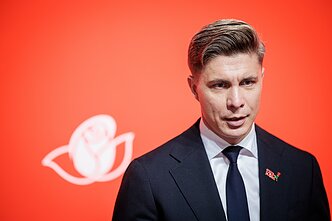
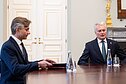
Finance Minister Kristupas Vaitiekūnas said the budget proposals put forward by MPs are “fairly rational”.
“People have their own perspectives and priority areas – the things that matter most to them. In fact, all the proposals were quite rational and genuinely important,” Vaitiekūnas told reporters on Tuesday after a meeting of the ruling coalition’s parliamentary groups.
According to Vaitiekūnas, the main priorities for next year’s budget are defence, social needs, and fiscal sustainability.
“The plan is to stay within a 3 percent deficit, which would mean the budget is fiscally sustainable,” the minister said.
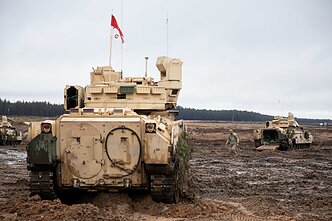
In an interview with BNS on Monday, Vaitiekūnas said that defence funding is the biggest challenge in preparing the 2026 state budget. According to him, no less than 5 percent of GDP – around €4.5 billion – will be allocated to defence next year.
The Finance Ministry forecasts that the tax reform will add around €340 million to the Defence Fund next year, and more than €500 million annually in the following years.

Social funding, public sector salaries, and farmers
The Social Security and Labour Ministry has announced that old-age pensions will rise by an average of 12 percent next year – an increase of €80 – reaching €750. For those with the required employment record, pensions will reach €810.
Social Security and Labour Minister Jūratė Zailskienė said pensions will grow faster than wages, bringing them closer to half of the average salary.
“For people with the necessary work record, the average pension should reach about 50 percent of the average wage next year. For those without the required record, it will be around 47 percent,” Zailskienė said.
Public sector salaries are also expected to rise, but coalition partners – the Farmers and Greens Union (LVŽS) and Christian Families Alliance (KŠS) parliamentary group – have voiced concern that the increases may not be sufficient for everyone, particularly for nurses.
“Indexation is there, that’s true, but it’s simply not properly funded. Even for indexation, there won’t be enough money. So that’s a serious red flag,” said MP Aušrinė Norkienė from the LVŽS parliamentary group.
Disagreements are expected over road funding – the Farmers and Greens group want more money allocated. They also reiterate their proposal to boost budget revenues by raising alcohol and tobacco excise duties beyond what is already planned.
The government also plans to amend the personal income tax exemption for farmers, passed earlier in the summer, so that only genuine farmers can benefit from it.
“It won’t be enough to have a single potato stalk and claim the exemption,” said Finance Minister Kristupas Vaitiekūnas.
The International Monetary Fund (IMF) has recommended that Lithuania increase its tax revenues. It suggests reviewing the property tax to make it more universal.
“The property tax reform was a fiasco, frankly. In terms of property taxation, we’re clearly lagging behind – there’s a huge untapped potential there,” said Vitas Vasiliauskas, IMF Executive Director for the Nordic and Baltic countries.
“We saw how difficult it was to get that tax through, so the whole idea probably needs to be better communicated and explained to the public before any real change can be expected. For now – definitely not,” Vaitiekūnas said.
The government is expected to submit the 2026 budget to the parliament by October 17.

Newsletter
Every Friday morning.