













Lithuanian libraries used to pulp discarded books, but under new rules they will be offered up to auctions or anyone who would take them.
The various branches of the Akmenė Public Library, in the north-west of Lithuania, discard around 5,000 books each year. These are old, tattered books with frayed covers that readers no longer take.
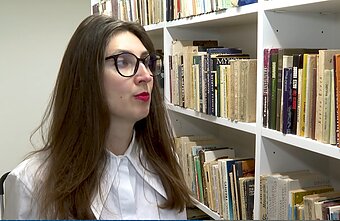
“They are completely worn out, even damaged by mould, which is not good for libraries,” Lina Lukytė, director of the Akmenė Public Library, shows one of the books to be discarded.
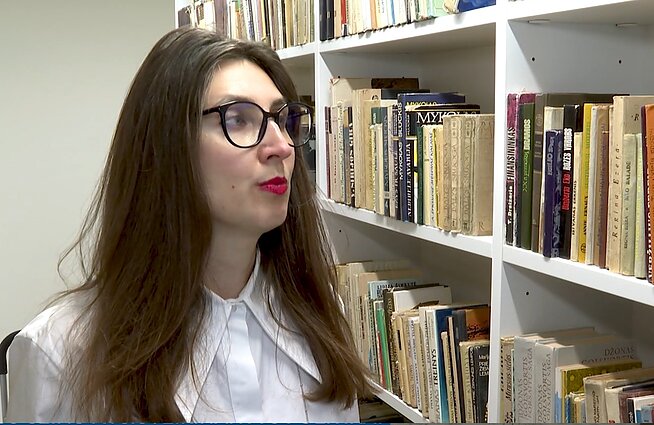
The Povilas Višinskis Public Library, the largest library in the northern Šiauliai region, writes off around 10,000 books a year. Some of them are still in good condition. In the past, they used to be delivered to paper recycling facilities. But following a change in the procedure last summer, libraries are preparing to organise auctions or donate books.
“First, we will have to hold a book auction, maybe there will be people who want to buy books, and we will also have to, for example, put books in a book exchange and offer them to other libraries or other institutions or organisations who might want to buy them.
“And if none of these methods works and the books remain unsold or are not selected from the exchange fund, only then will we be able to offer them to the population,” explains chief librarian Jolita Rimeikienė.

Šiauliai residents say they are looking forward to the free books because not everyone can afford to buy new ones.
“The older the book, the more valuable it is. I also prefer older books,” says a woman interviewed by LRT TV.
Fewer people read in smaller towns or villages.
“I don’t think it will be a hit, but what I do see is that we will provide more alternatives and even a certain attitude towards an object, in this case, a book,” says Lukytė, director of the Akmenė Public Library.
Most importantly, the new arrangement will contribute to sustainability, though there are fears that it could be abused.
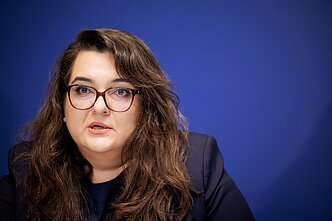
“There can be enterprising individuals who can get hold of these books, buy them in auctions for peanuts, and then try to make a business out of it,” worries Bronius Maskuliūnas, director of the Povilas Višinskis Public Library.
The first auctions are expected to start early next year. The country’s libraries discard around 2 million publications every year.
The Ministry of Culture changed the procedure in reaction to outrage from some people who noticed that libraries were simply throwing away and pulping a large amount of books without offering them to anyone to take.

Newsletter
Every Friday morning.