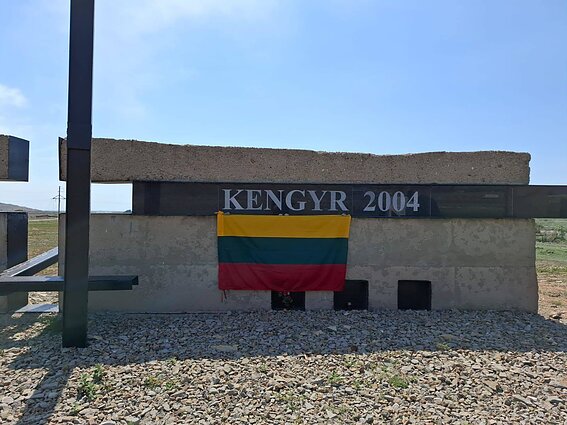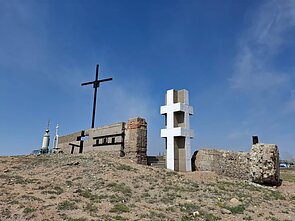









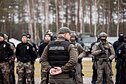


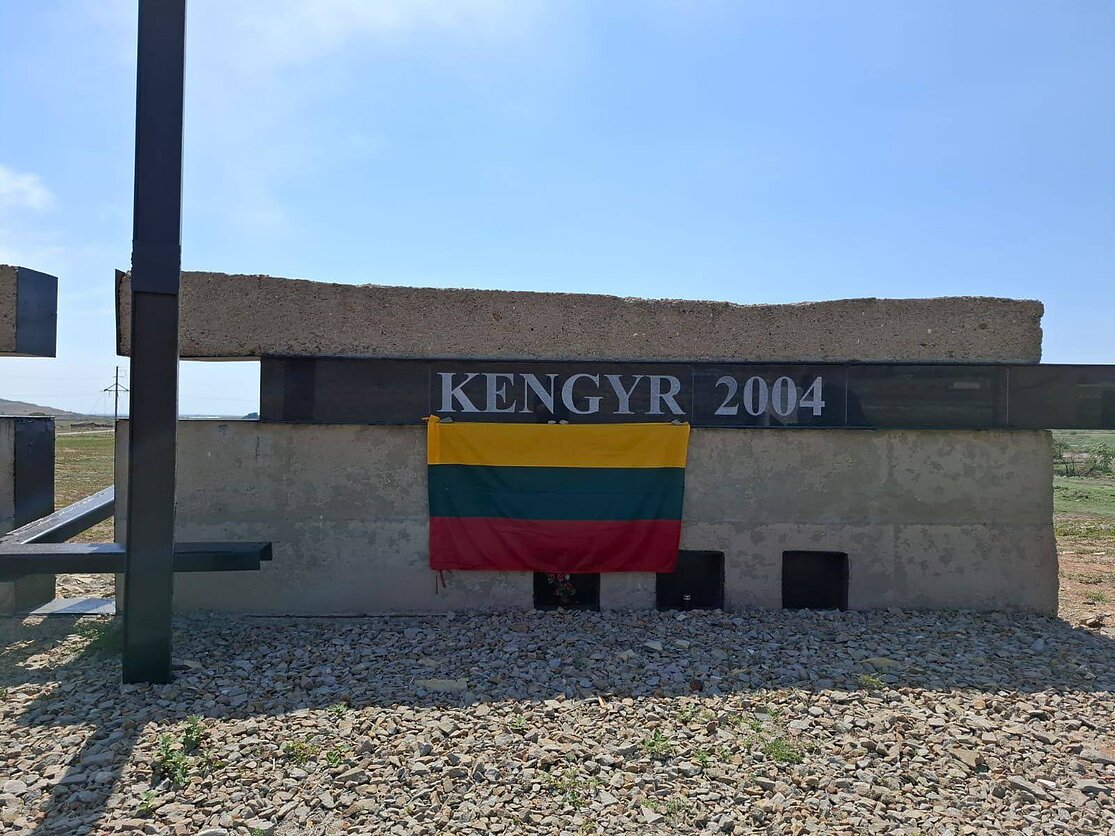
The 70th anniversary of the Kengir Uprising was commemorated last week in Zhezkazgan, Kazakhstan, on the occasion of the Day of Remembrance of the Victims of Political Repression.
The memory of the Lithuanian and other political prisoners who took part in the uprising was honoured at the Kengir Memorial, the Genocide and Resistance Research Centre of Lithuania (LGGRTC) said on Tuesday.
“Not many people know about the special camps in Kazakhstan. Lithuanian society itself does not know enough about the Kengir Uprising,” said Arūnas Bubnys, head of the LGGRTC.
There are plans to launch research and archival studies to establish as many identities of the Lithuanians who were imprisoned in Kazakhstan’s special camps as possible, he said.
In 1954, more than 20,000 political prisoners from all over the Soviet Union were imprisoned in one of the special gulag camps in the Kazakh steppes, Steplag. The majority of the prisoners – about 9,000 – were Ukrainians and Lithuanians. The latter numbered around 3,000.

The uprising began on May 16, 1954, when criminal prisoners in Kengir camp, one of the units of the Steplag, broke down the fence and began to force their way into the women’s area. Political prisoners then rushed in to defend the women.
Eighteen prisoners were killed and 70 injured during this incident and this led to protests demanding better conditions. After more than a month, the protest was suppressed by force. According to official figures, 37 prisoners were killed, and nine others later died of their injuries.
According to historians, this uprising shook the Gulag system to its foundations. The uprising led to the abolition of the special camps, the relaxation of the prison regime, and improved working and prison conditions.
In 1956, a mass release of political prisoners from the camp began.

Newsletter
Every Friday morning.