











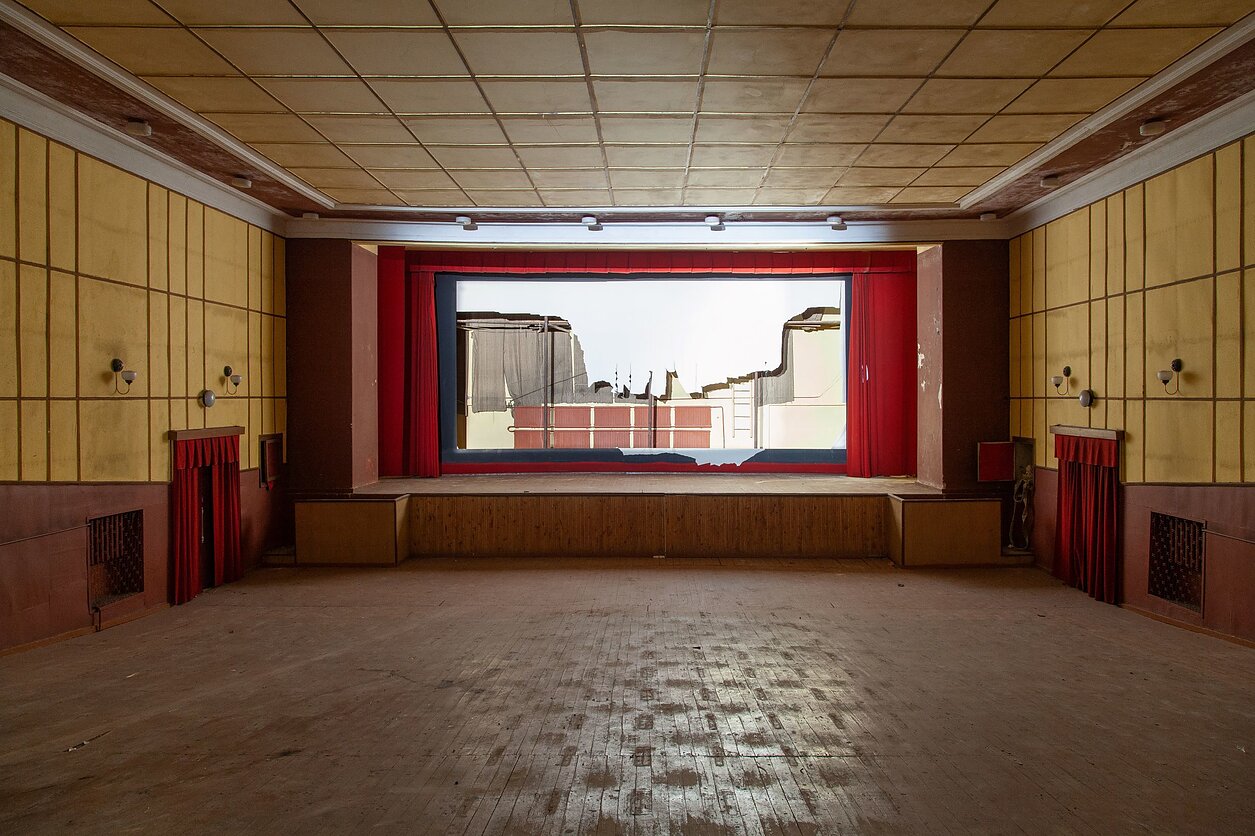
Emerging from behind the Iron Curtain in the early 1990s, Lithuania boasted one of the biggest networks of cinema theatres in the region. Hardly any of it is left today.
“While analysing archival materials, we discovered a document from 1988 that listed 260 film screening venues functioning in Lithuania at that time,” says film historian Lina Kaminskaitė.
Most of them, 160, were proper cinema theatres and 140 were located outside Lithuania's two biggest cities, attesting to the central role that film as a medium played in the ideological landscape of Soviet Lithuania.
“Following the fall of the Iron Curtain, Lithuania inherited the biggest network of cinemas in the Baltic states that is currently deteriorating at a rapid pace, now it is the smallest one,” says Kaminskaitė.
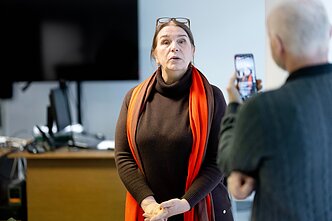
She is part of a group of researchers at the NGO Meno Avilys trying to document what is left of Lithuania's past cinema culture.
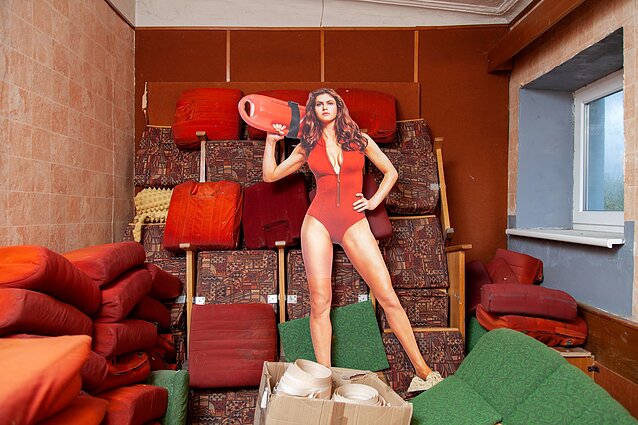
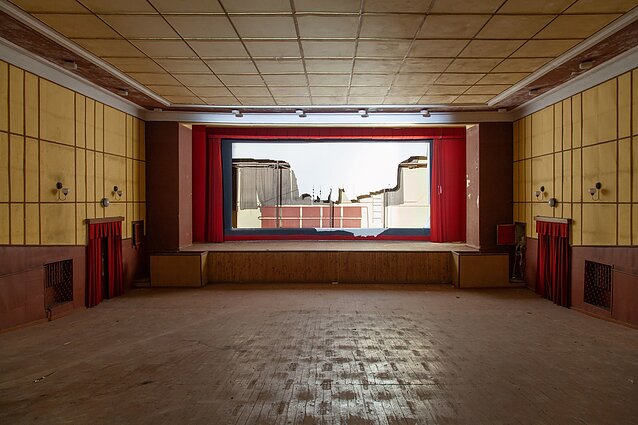
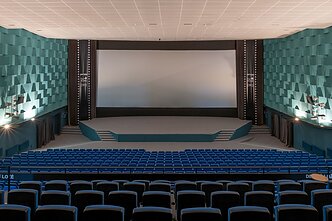
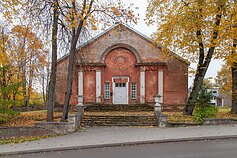
Today, they managed to locate only 16 cinema buildings constructed in the post-war era that have not been demolished or significantly altered after 1990.
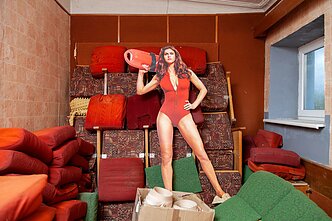
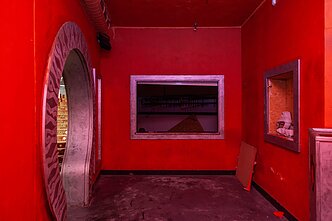
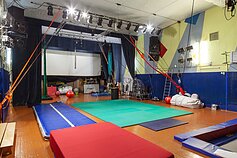
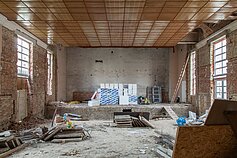
Only five of them continue to function as film screening venues, albeit one is up for demolition. The rest have been converted to serve other purposes: second-hand furniture shops, stores, a veterinary clinic, a casino, day and youth centres, a museum. Some stand unused and in decay, others are undergoing renovation.
The Photographer Simonas Linkevičius (Simas Lin) photographed them last autumn, with the images currently exhibited in the installation The Projection Booth. Cinemas in Regions.
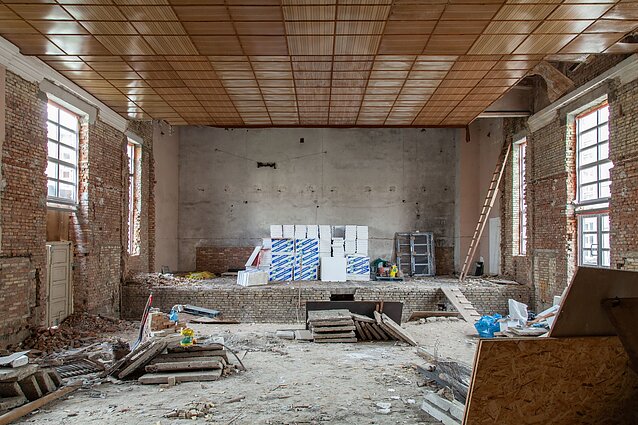
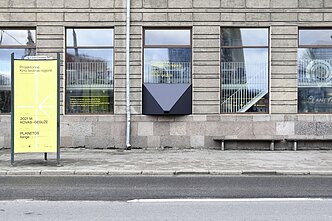
“If you look through special binoculars installed in the window of the cinema and media space Planeta in Vilnius, you will see the photographs of sixteen cinemas situated in various regions of Lithuania; you will learn about their architectural style, the year of their construction, and their present-day purpose,” according to a press release from Meno Avilys.
Images of “the facades and interiors of these buildings [...] are reminiscent of paused film frames”, it continues. “All these buildings speak not only of technological or ideological changes, but also of the changes in the locations where they are situated and the local communities.”
The photos at Planeta in Vilnius will be displayed until the end of May, while Meno Avilys website contains an extensive photo story by Simas Lin.

Newsletter
Every Friday morning.