
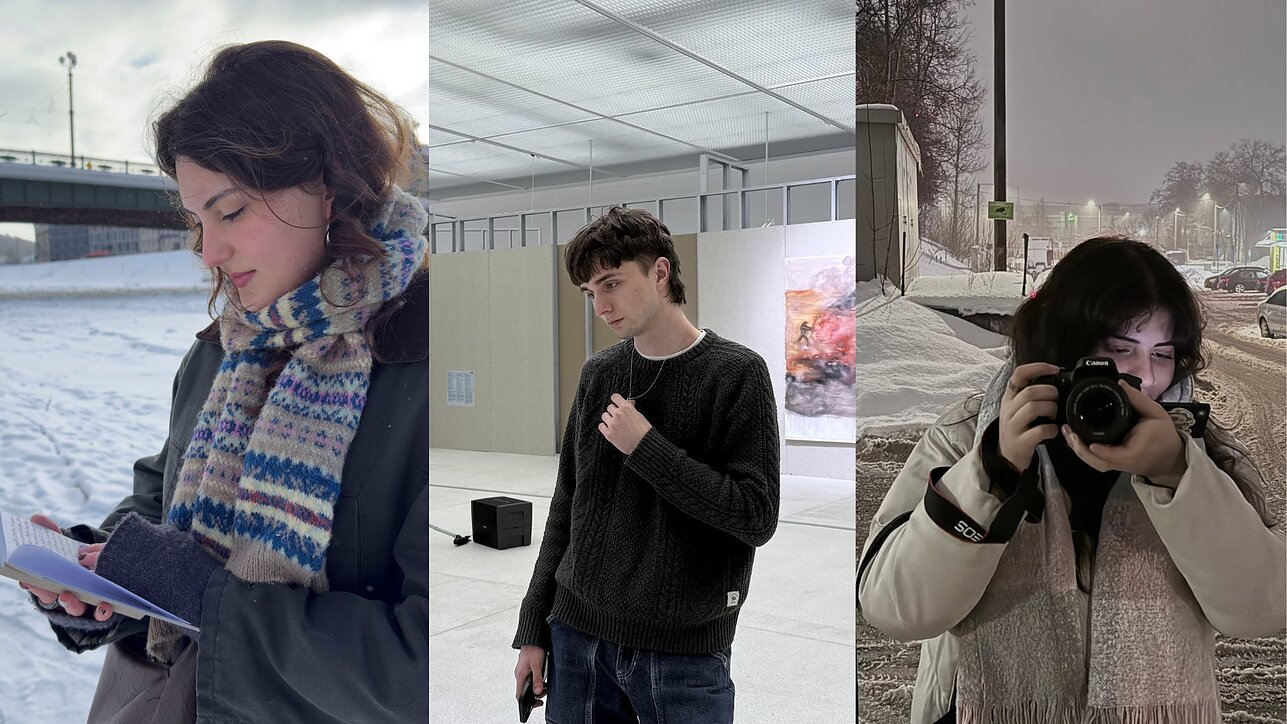
LRT spoke with three young international students in Vilnius about how they navigate the feelings of homesickness and longing for what they had left behind. Some seek comfort by recreating home-cooked meals, while others turn inward by channelling their feelings into art.
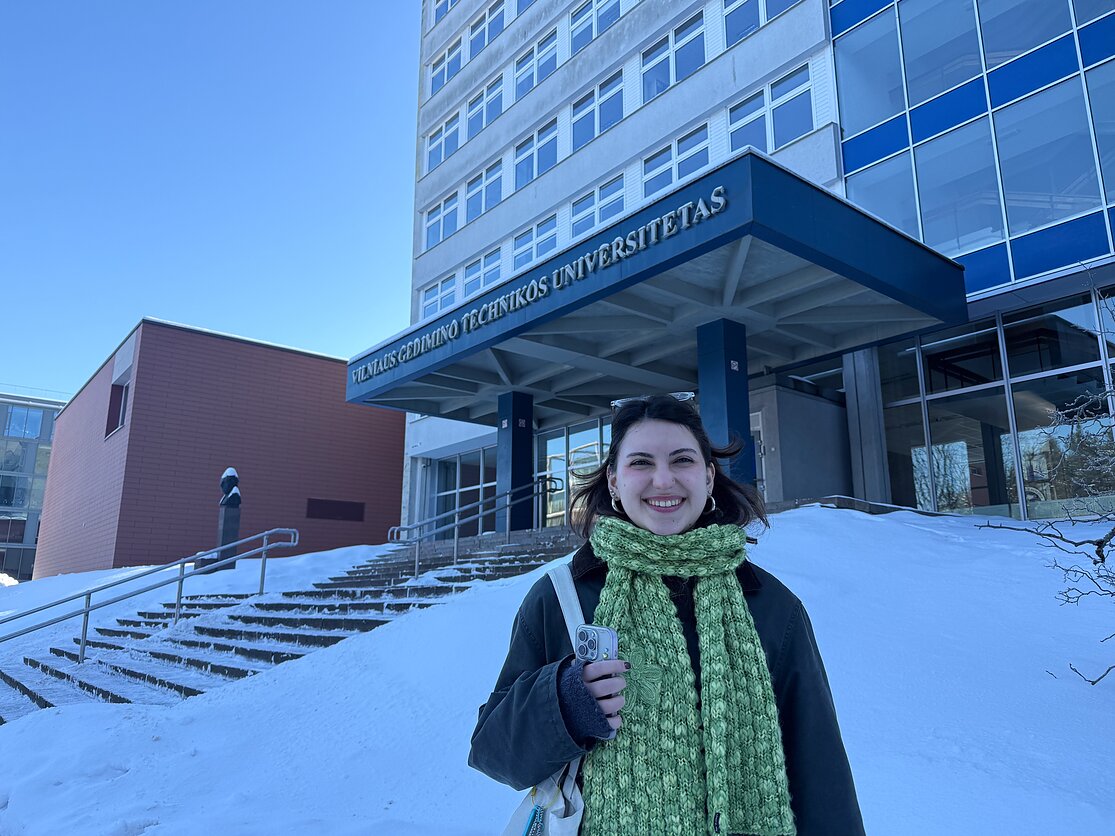
Eto
“Whenever I'm writing in Georgian, it helps me deal with those intense feelings of nostalgia or missing the people I love. It's kind of a therapeutic expression for me,” says Eto, a 22-year-old master’s student at Vilnius Gediminas Technical University.
She came to Lithuania from Tbilisi, Georgia’s capital. Two years ago, while studying for her bachelor's degree in her home country, Eto took part in a six-month exchange programme in Vilnius.
The experience left her with many strong memories and lasting friendships. The different academic approach in Lithuania was completely new to her compared with the general system of Georgian universities.
Eto recalls: “I returned home and something just did not feel right because I was in constant search of something. I wanted more experience, something different. Everything was okay if you look at the general picture; however, something was lacking in me.”
These feelings motivated her to move abroad again, but this time for a much longer period.
“So that's why I decided to come back here. And I think it was the right decision,” Eto says.
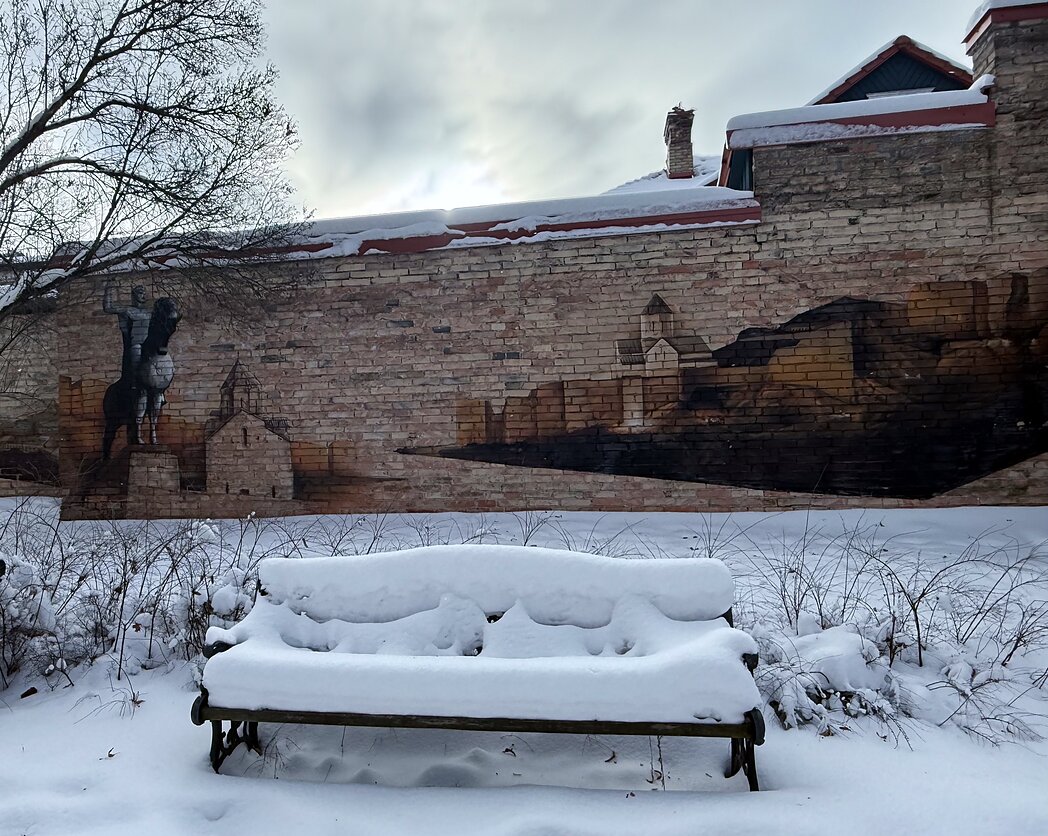
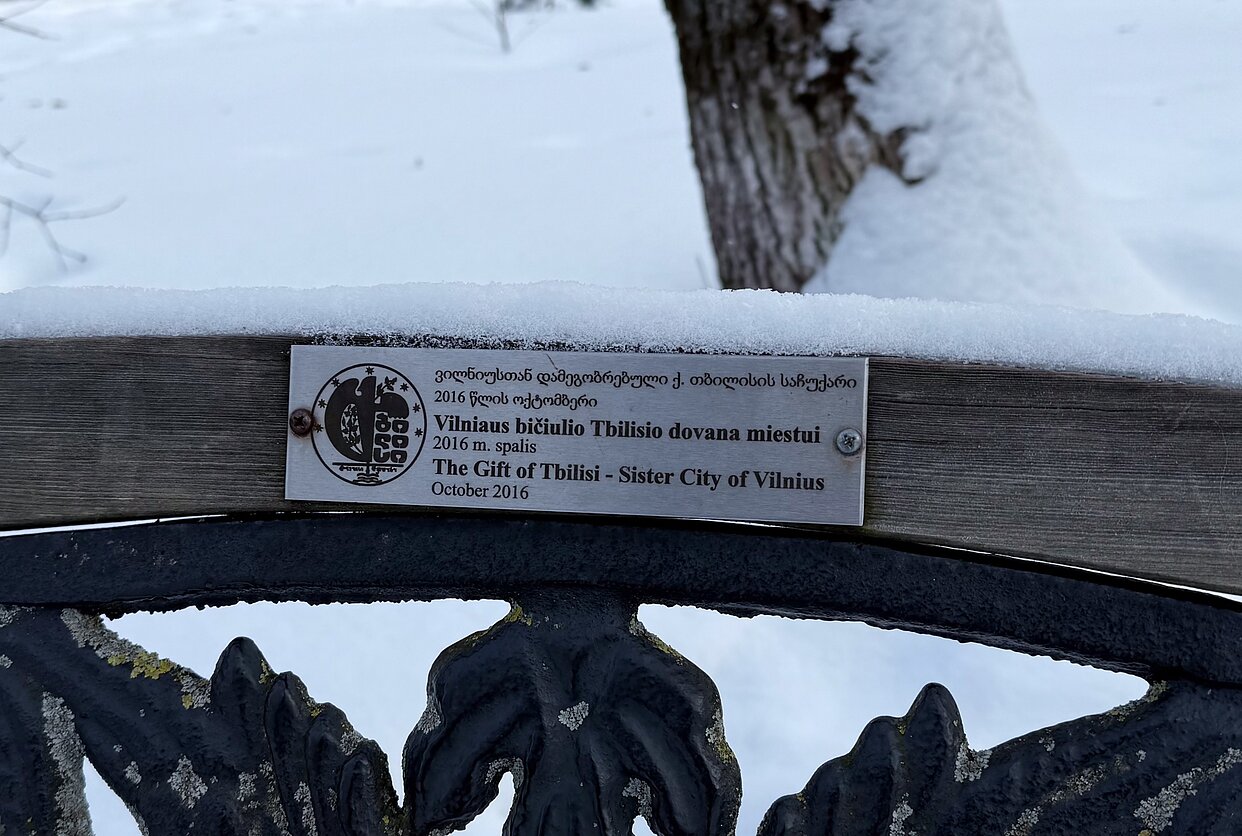
When talking about the difference between short-term and long-term studies abroad, Eto emphasises the importance of having a fixed return date.
“When I was doing Erasmus short-term studies, I knew the date when it would end,” she explains. “However, I moved here to develop my career internationally. So the date of my going back to Georgia and seeing my family is very abstract now.”
From that perspective, the emotional intensity of missing home increased. The main struggles she faced while starting her life abroad were loneliness and the feeling of having to figure everything out on her own.
Eto highlights the lack of physical presence of loved ones, even though they are available through calls or messages at any time.
Despite that, staying in contact with her family and Georgian friends is essential.
“Talking in Georgian is sometimes so relieving,” Eto says. “You talk with people you know, and they understand you. Even cracking jokes in Georgian – it's such a simple thing, but it actually means a lot.”
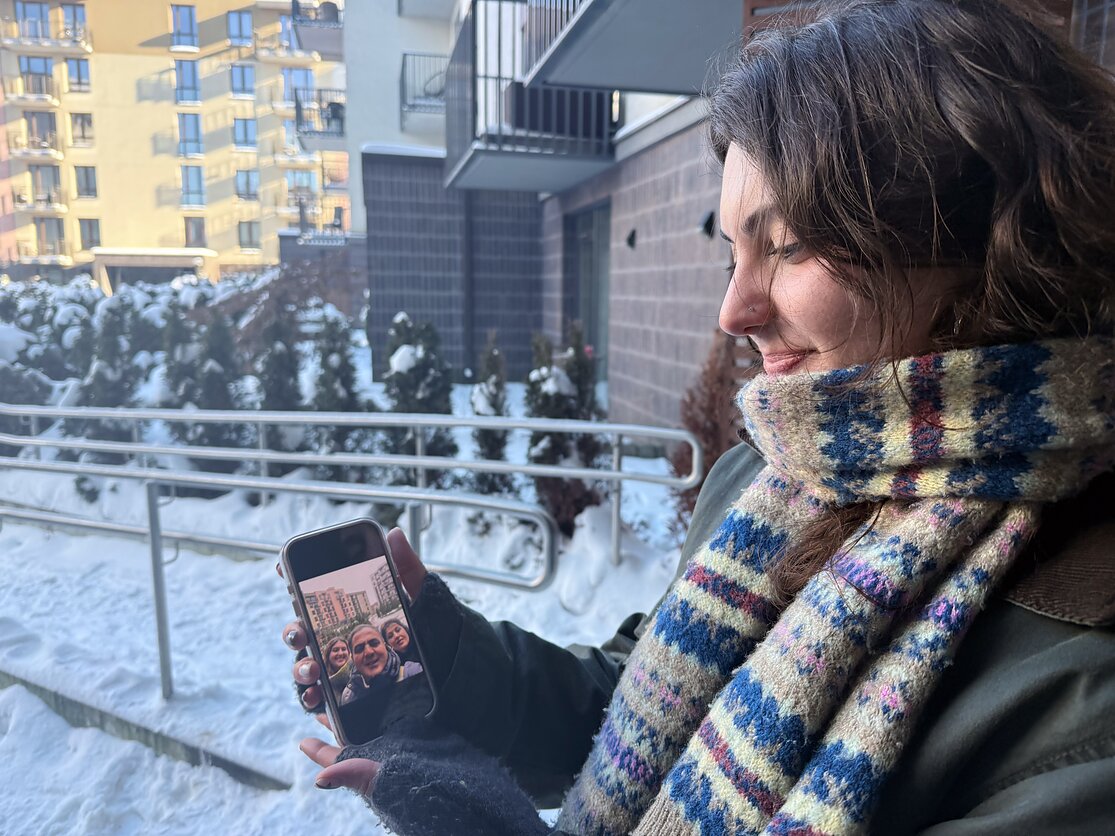
Eto contacts her family roughly every two days. Her mother’s worries about whether everything is alright sometimes lead to quick calls.
There is also at least one long call each week – not necessarily to talk about everything that happened, but mainly to experience each other’s presence in that way.
Outside her family, one of the most important people in Eto’s life is her best friend. They organise a couple of calls each month. Because of their busy schedules, longer conversations can be difficult, but they usually text each other every day.
Speaking about her best friend in Georgia, Eto describes her as the closest person she can rely on, calling her a personal “therapist”.
Besides calls and messages, creative writing is another helpful remedy for homesickness. Eto considers it one of the most important aspects of her life and has extensive writing experience, both personally and professionally.
Her interest in writing began when she was 17. At the time, she went through a period of deep engagement with Georgian literature. This inspired her to express emotions through artistic language.
Although there was a phase when she stepped away from this hobby, she returned to it recently after some difficult experiences. A couple of months ago, the father of one of Eto’s friends in Georgia passed away.
The distress prompted her to start writing again.
“When you also realise that you are far away from your family members, you cannot know exactly when you are going to see them, and what if something happens to them,” she says.
“I was feeling very heavy emotionally, and that was the moment when something clicks in your head, and you hold on to one word or one sentence or one phrase, and from that you develop everything else you want to say,” Eto adds.
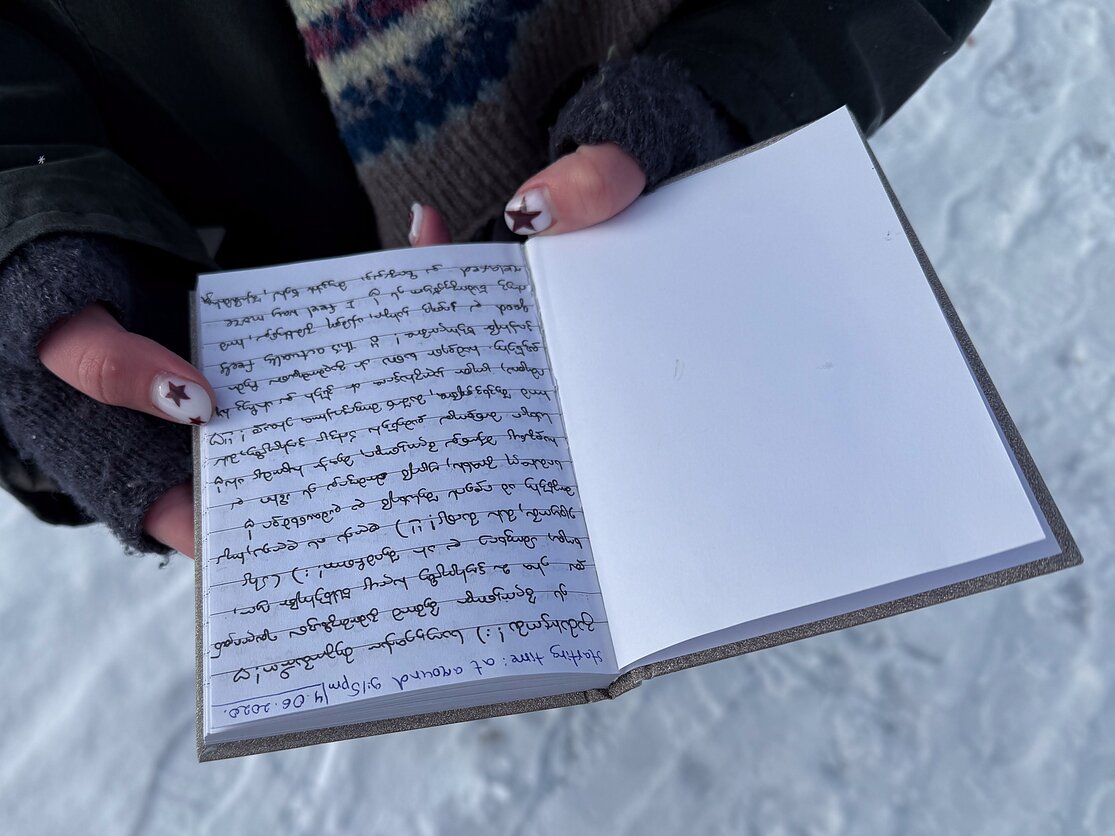
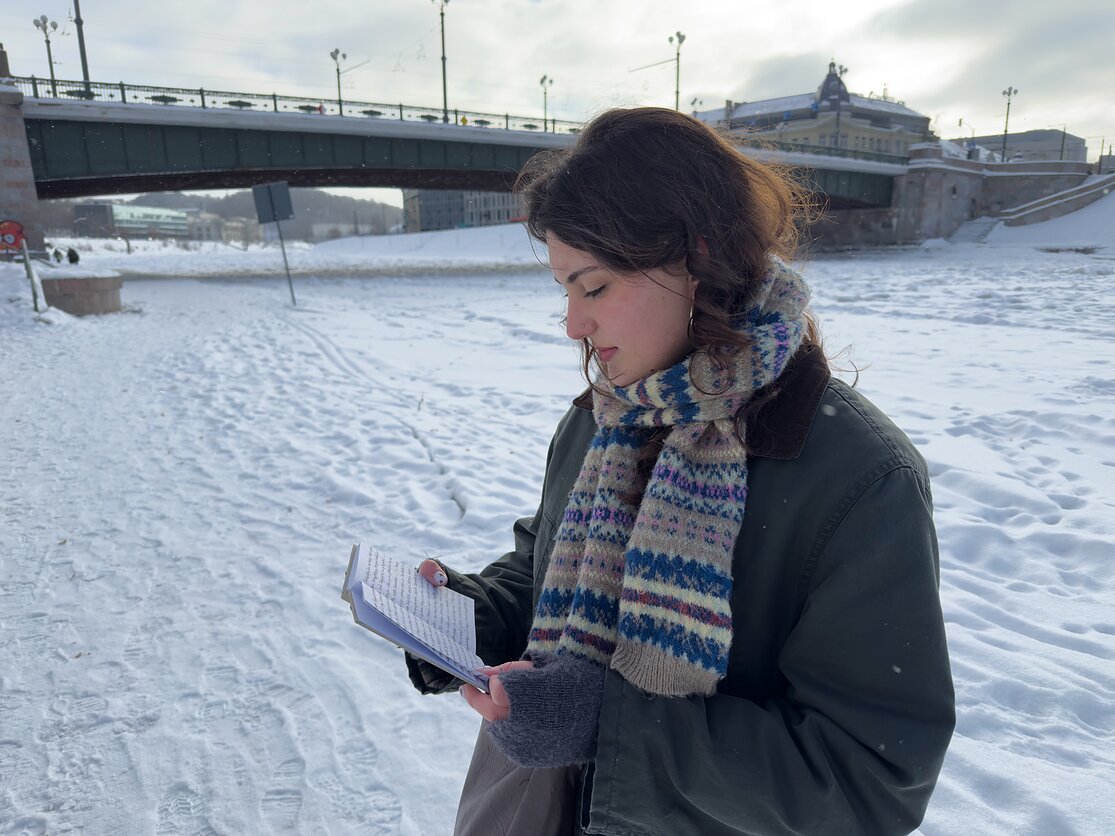
The right environment and mental state are essential before opening her notebook. That is the only way, as Eto puts it, to “focus on the feeling that must be conveyed in words”.
Looking back to the time before fully moving to Vilnius, Eto says her parents had, in some ways, expected that she would eventually leave the country.
Although her mother tried to persuade her to stay and her father hoped the same, both parents were still supportive because they realised that “the end goal was to move abroad”, Eto says.
“I needed my parents’ approval in the first place because they are very influential people in my life. My mum, at the end of the day, they both were very, very supportive. And that's why I'm here today as well,” she adds.
The complex political situation in George also motivated her to seek international opportunities.
When asked what would motivate her to return to Georgia, Eto admits the question makes her emotional. She believes that the right stage of life – when she feels like a person with a fully established international identity and inner peace – would allow her to return.
Making a personal contribution to Georgia’s development, along with hope for improvement in the socio-political environment, are key factors in that decision.
“When Georgia is ready to host me in a way that is acceptable for me, I will go back,” says Eto.
Viktor
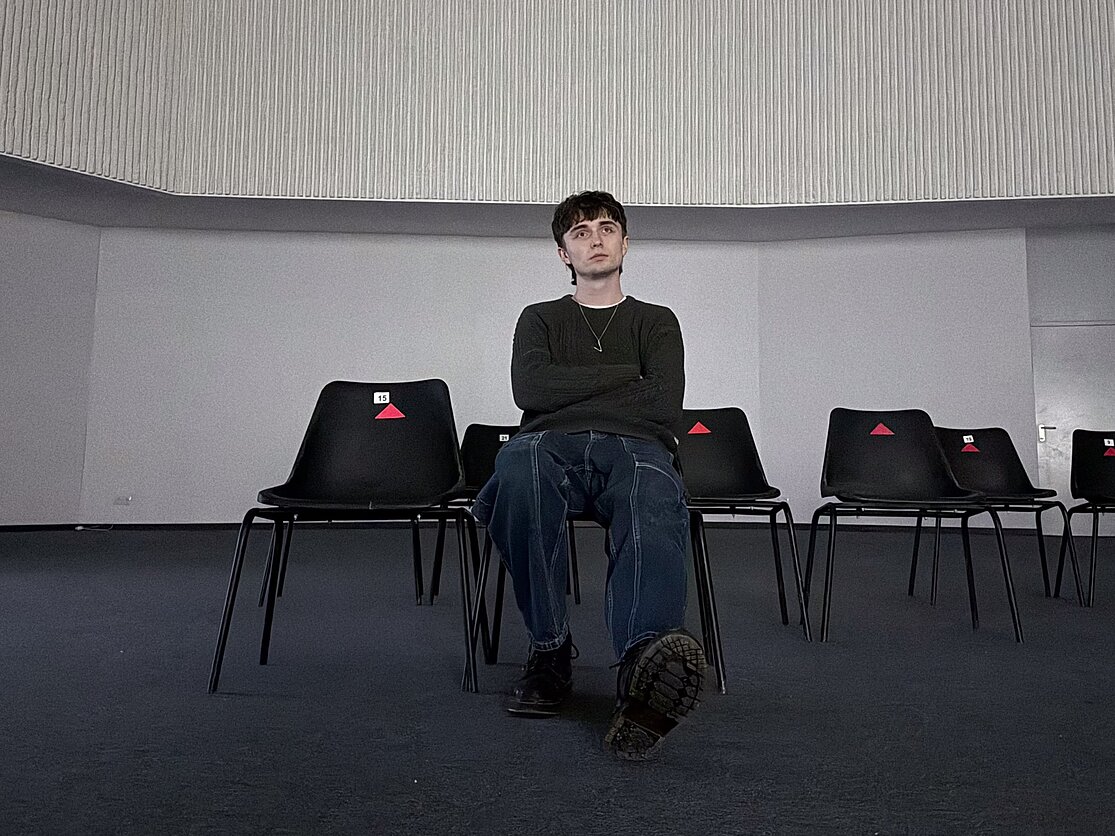
The first two years were the most mentally challenging, Viktor says, when his inner voice constantly urged him to quit university and return home.
Meet Viktor, a 20-year-old Ukrainian and recent graduate of the psychology bachelor’s programme at Mykolas Romeris University in Vilnius.
He moved to Lithuania at the age of 17. The choice of destination was mainly motivated by the accessibility of Lithuanian universities for foreign students.
Russia’s full-scale invasion of Ukraine began during Viktor’s final year of high school.
“I had just received a message from our teacher saying, ‘Guys, there will be no school temporarily. We don't know for how long, but please do not go to school,’” he remembers.
At that moment, Viktor returned home and told his mother that classes had been cancelled because of the outbreak of war. She immediately started checking the news to confirm whether it was true. Despite the situation, she still had to go to work.
Viktor continues: “Teachers should have been at their work. Then she texted me: ‘It's true. The war started. We don't know for how long.’”
This happened on February 24, 2022. Viktor left Ukraine in August of the same year and came to Lithuania together with a friend.
He recalls the feeling of novelty and freedom when he first moved to Lithuania, as he had never properly been abroad before.
“I'm going to do everything that I couldn't do in Ukraine,” he says, describing the newfound freedom of leaving the parental home.
The decision to study psychology was based on his teenage interest in how the human brain produces different kinds of thoughts. Viktor’s early dream of becoming a psychologist and helping people, however, changed during his studies when he realised it was not his path.
Despite that, he does not regret choosing the programme. In his view, a degree in psychology can open many professional doors.
Realities of war
His first years were filled with doubts. Every time he wanted to quit and return to Ukraine, “something stopped him”. Viktor emphasises the support of his Ukrainian classmates, who helped him through difficulties.
“Every time we were in the same classes, we spent a lot of time doing projects and presentations, and they saw that I was struggling. They were like, ‘Just keep going.’ Actually, it helped me, because without them, I probably wouldn't have graduated,” he says.
Homesickness was largely influenced by loneliness in Vilnius, while his entire family remained in Ukraine.
Martial law restrictions made it impossible for him to visit home, as men aged 18 to 60 were prohibited from leaving Ukraine. This meant that if Viktor had returned home, he would not have been able to come back to Lithuania.
The sadness deepened whenever Viktor saw his international friends or Ukrainian female friends visiting their home countries. The realisation that he could visit any country except Ukraine intensified his homesickness.
However, the regulations changed in August 2025 – men aged 18 to 22 are now allowed to travel in and out of Ukraine. This opened the door for Viktor to reunite with his family after three years apart.
He has already visited them twice – at the end of October and during the Christmas season.
“Those who stayed became different from people who were living abroad, who couldn't understand what was going on inside the country. Besides, a lot of changes happened. Someone got married, there were births and break-ups,” he says.
Celebrating Christmas with his family after such a long time brought him immense joy, including sharing the traditional 12-dish Ukrainian Christmas dinner he had missed for years.
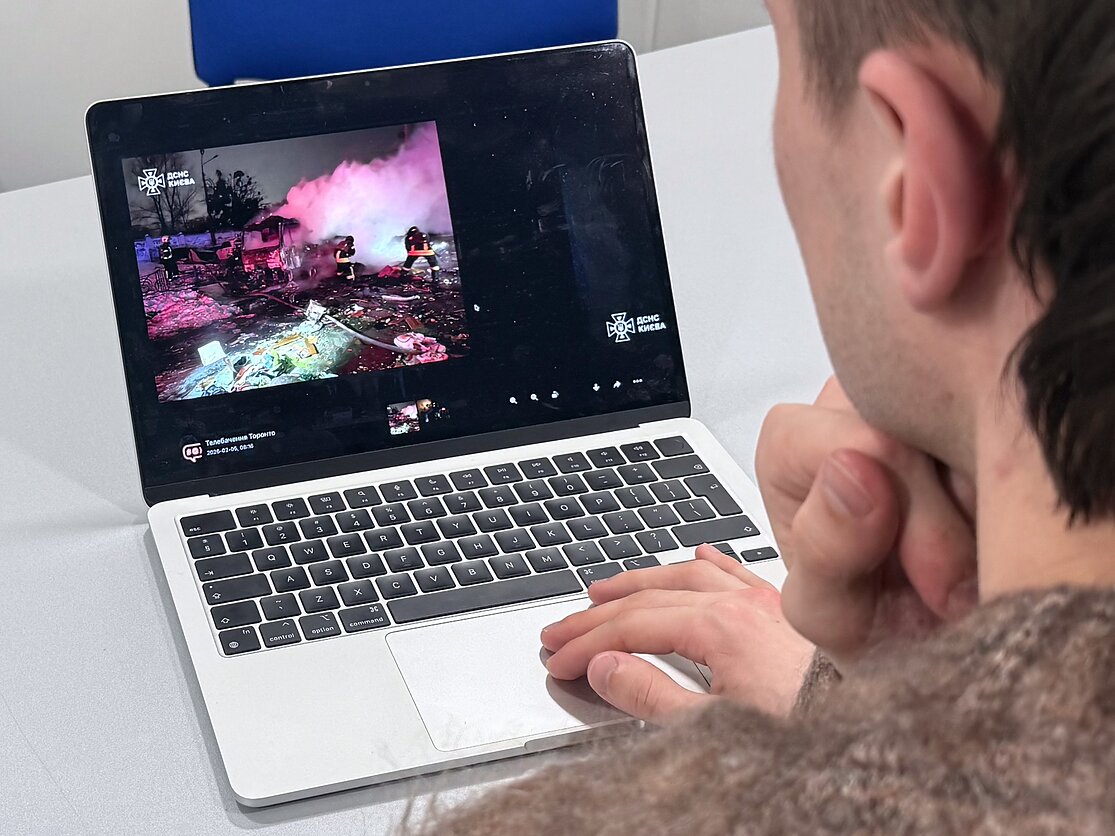
However, the holidays were also marked by the realities of war. His family celebrated Christmas in complete darkness due to Russian attacks on Ukraine’s energy infrastructure, which resulted in blackouts. In winter, the situation becomes even more challenging, as people must also find ways to stay warm.
Aside from the food, Viktor says he misses hearing his native language everywhere the most, especially at concerts or events held fully in Ukrainian.
In Vilnius, he participates in two volunteering organisations: the Ukrainian Youth group in Lithuania and UBE (Ukrainian Beat DJ community). The first organises various student-led initiatives, while the second focuses on DJ sets, music, and dance events.
Both initiatives share a common goal – bringing people together and raising funds to support Ukraine.
In addition to staying connected through community work, Viktor donates individually and supports Ukrainian small businesses by purchasing their products, mainly clothing.
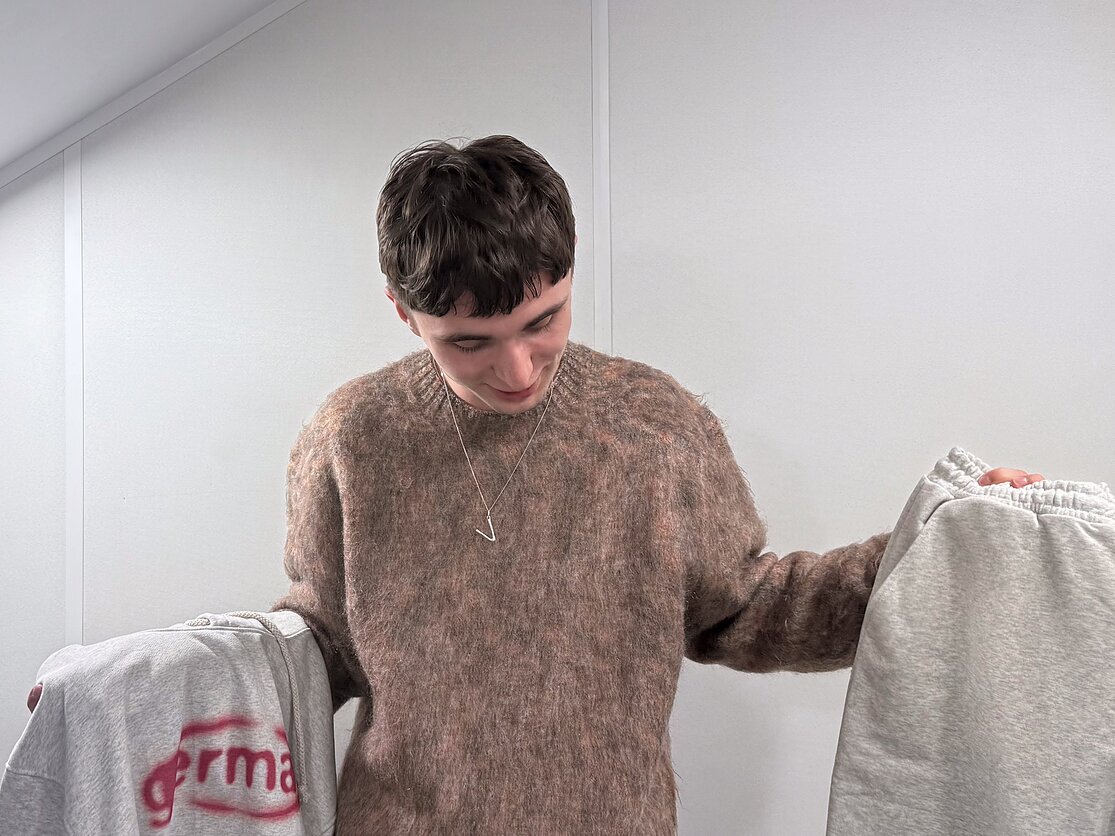
To stay informed, he now follows updates from Ukraine constantly, even though he previously had little interest in reading the news.
Looking ahead, Viktor is considering pursuing a master’s degree. He still has doubts about returning to Ukraine, but believes that one day he will rebuild his life there.
According to him, much depends on how the situation unfolds – whether the war ends and whether returning becomes a stable and realistic option.
“Now in Ukraine, as people jokingly say, you don't know what's going to happen tomorrow – you don’t know whether you will wake up or not,” Viktor says.
One of his friends has already returned to Ukraine after graduating. Another Ukrainian friend, however, does not plan to return at all.
“I believe that I will live in Ukraine, work there. I will speak the Ukrainian language, in which I will get services, such as a doctor or different appointments. Also, using Ukrainian products and eating foods which I have already liked for the past 17 years,” he says.
Sofi
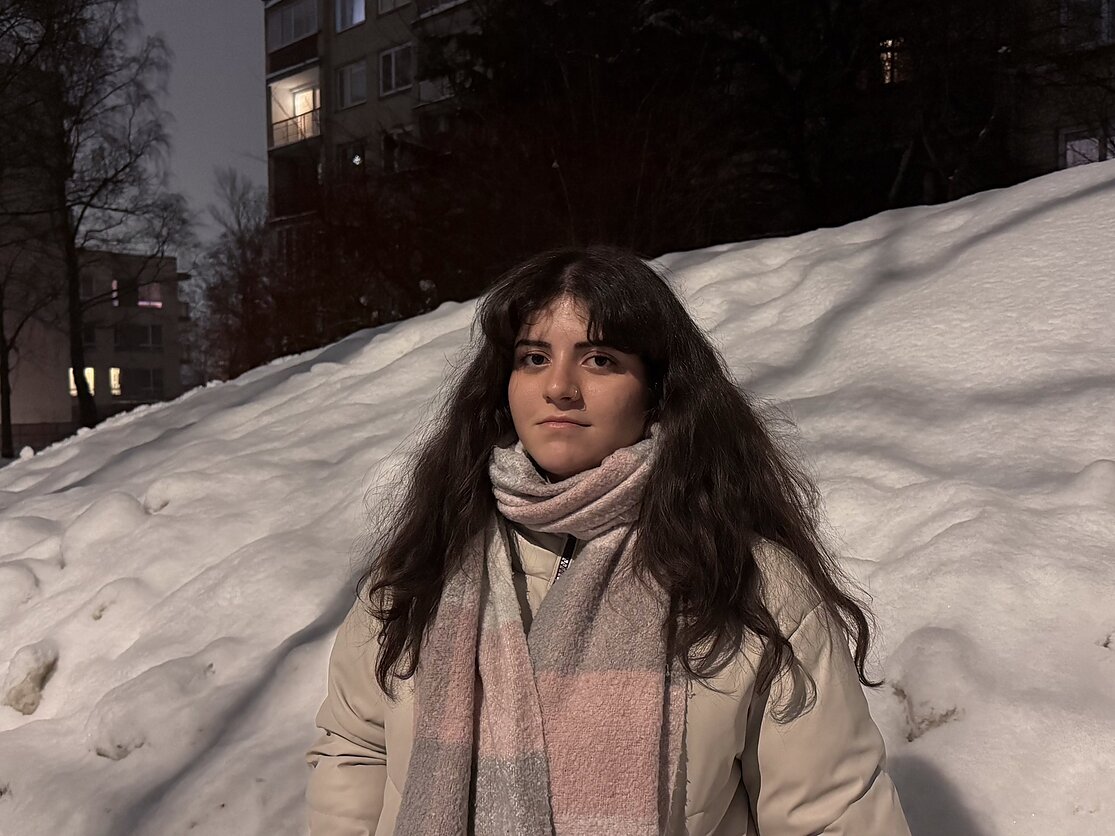
“If you leave, there's always a reason. And when you keep this in mind all the time, homesickness moves to the background,” says Sofi, a 21-year-old Armenian student of the video production and media programme at SMK College of Applied Sciences in Vilnius.
The aim of leaving the country was the desire to gain deeper knowledge in filmmaking and share it back home after returning.
According to her, it was an idea of “a temporary thing that would benefit her in the long term, and hopefully her country”. Therefore, her loved ones in Armenia encouraged her after she made this decision.
She strongly believes in Armenia’s potential in the film industry – it already has a long history of cinema. As she says, Armenia has many talented and ambitious people, but they sometimes lack resources and opportunities.
Even so, she emphasises that the field is now much more developed compared with the period before she left her country.
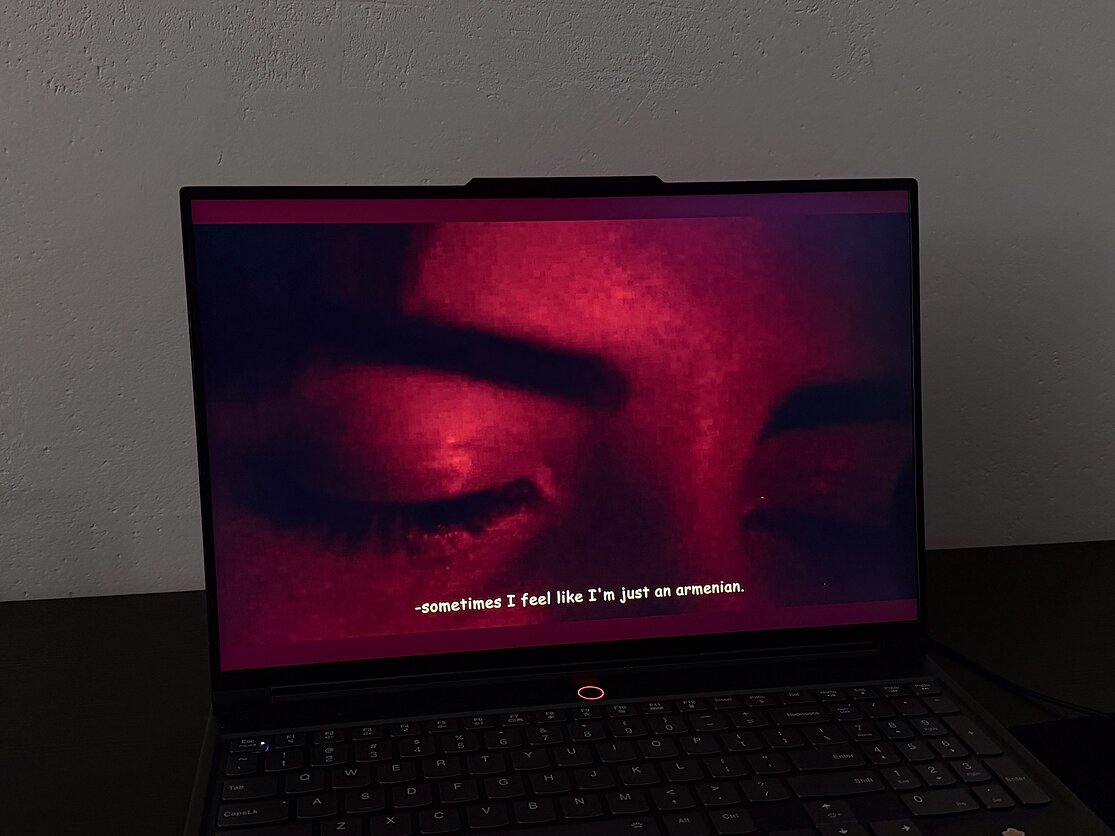
She even gave presentations in her classes about Armenian film history, actors and directors, and showed several old-school films from her country, which she describes as “very good and very deep”.
As someone working in the arts, creative expression played a key role in dealing with homesickness and processing her emotions.
“Actually, in almost every film, every homework that I had to make, I used Armenian, adding captions, because somehow the language became sweeter to me when I was away,” Sofi says.
During her first year after arriving, she felt intense sorrow from missing home because of the close relationships she had with her Armenian friends, family and even pets.
So she went back home for a visit.
“There's one thing that people don't talk about enough when you're a student abroad. It’s very nostalgic, and you love your home country, but when you go home, you don't feel at home anywhere the same way you felt before. But, also, you don't feel at home in the other country,” she says.
Every international student should know and be prepared for this.
According to Sofi, there is also some comfort in it. It creates the understanding that “you are your own home”, and wherever a person stays, they are free to shape their personal space.
To ease homesickness, she began cooking traditional dishes, spending time with the Armenian diaspora in Vilnius and watching old Armenian films – exploring her culture from afar.
Armenian composer Tigran Hamasyan’s music “seriously saved her in her first year” abroad, Sofi says. Living in another country made songs from Armenia resonate in a completely different way.
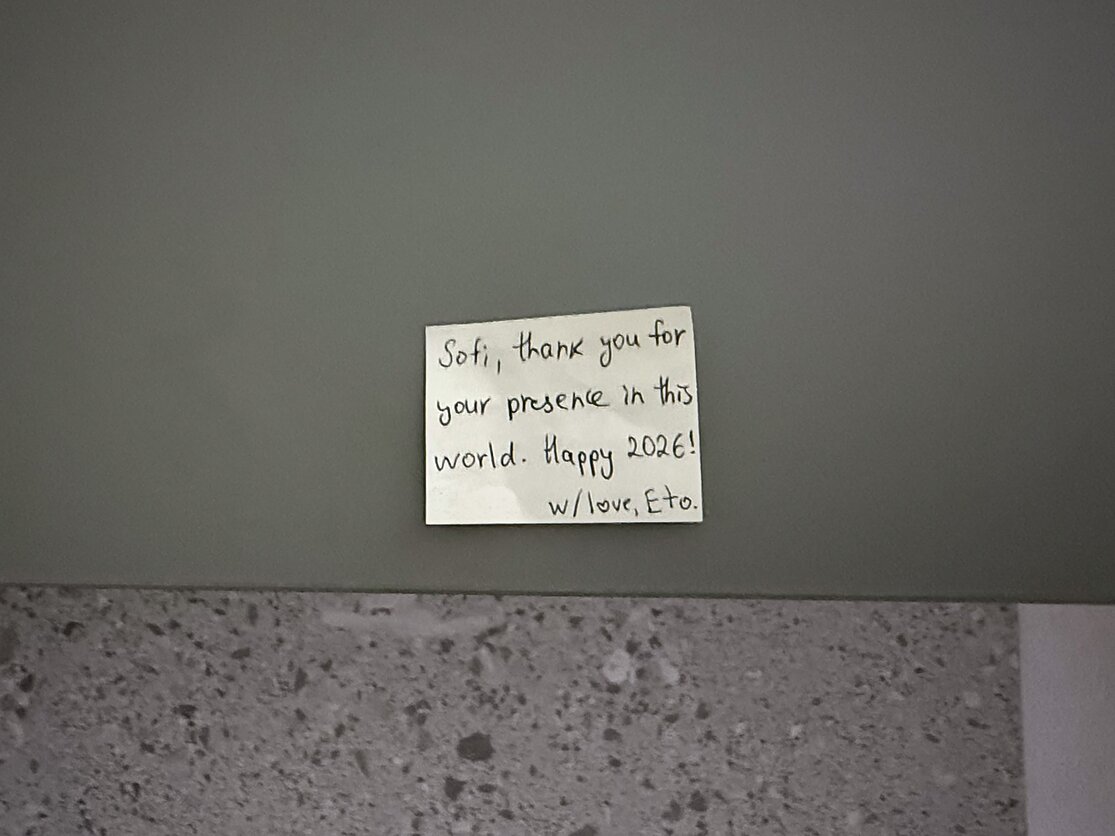
“I wouldn't experience music in that way if I didn't go abroad,” she adds.
Considering it an Armenian cultural trait, she keeps in touch with loved ones every day. Even doing chores or cooking while on a video call feels comforting and helps them share a sense of presence.
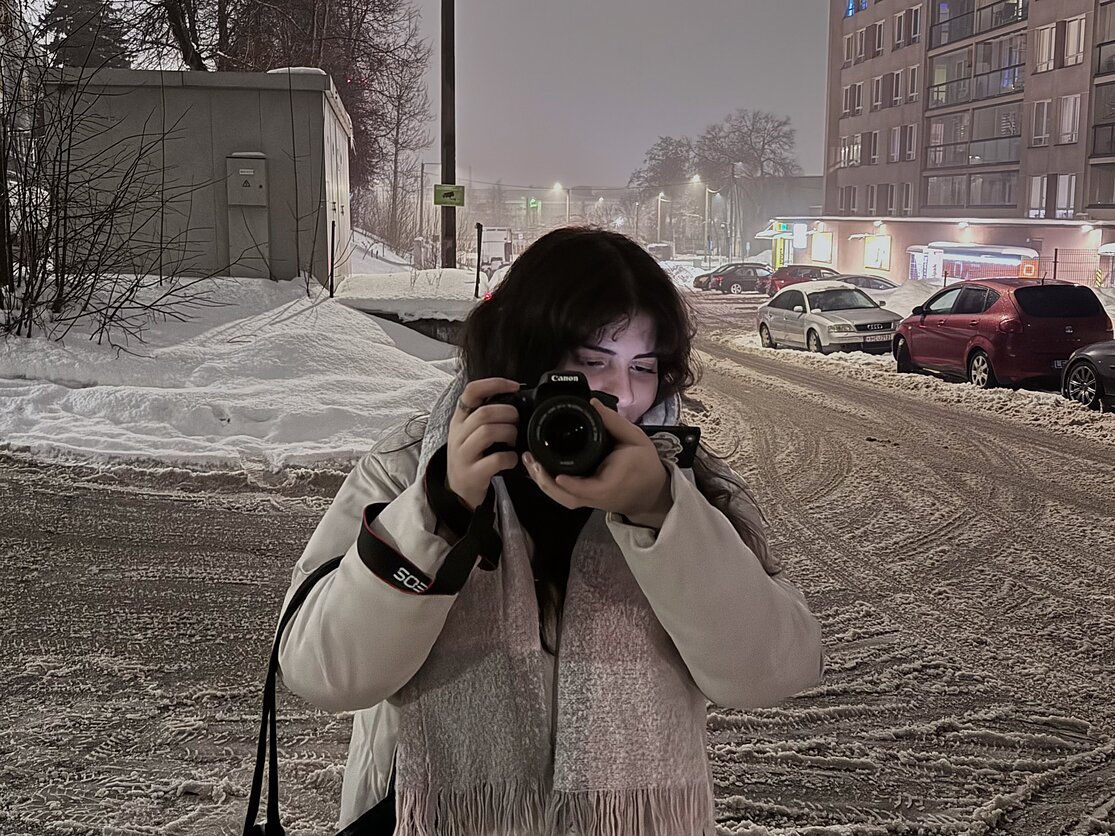
At the same time, to adapt better to Lithuania rather than focus only on nostalgia, she visited many museums and churches in Vilnius. Because of historic and cultural similarities between Armenians and Lithuanians, Sofi says she felt welcomed.
She also managed to build close connections with locals, despite them being very different from the expressive Armenians.
Lithuanians should also appreciate the forests and greenery they have, especially within cities.
“Lithuania's forests make me feel so good,” the Armenian student says, emphasising their therapeutic effect.
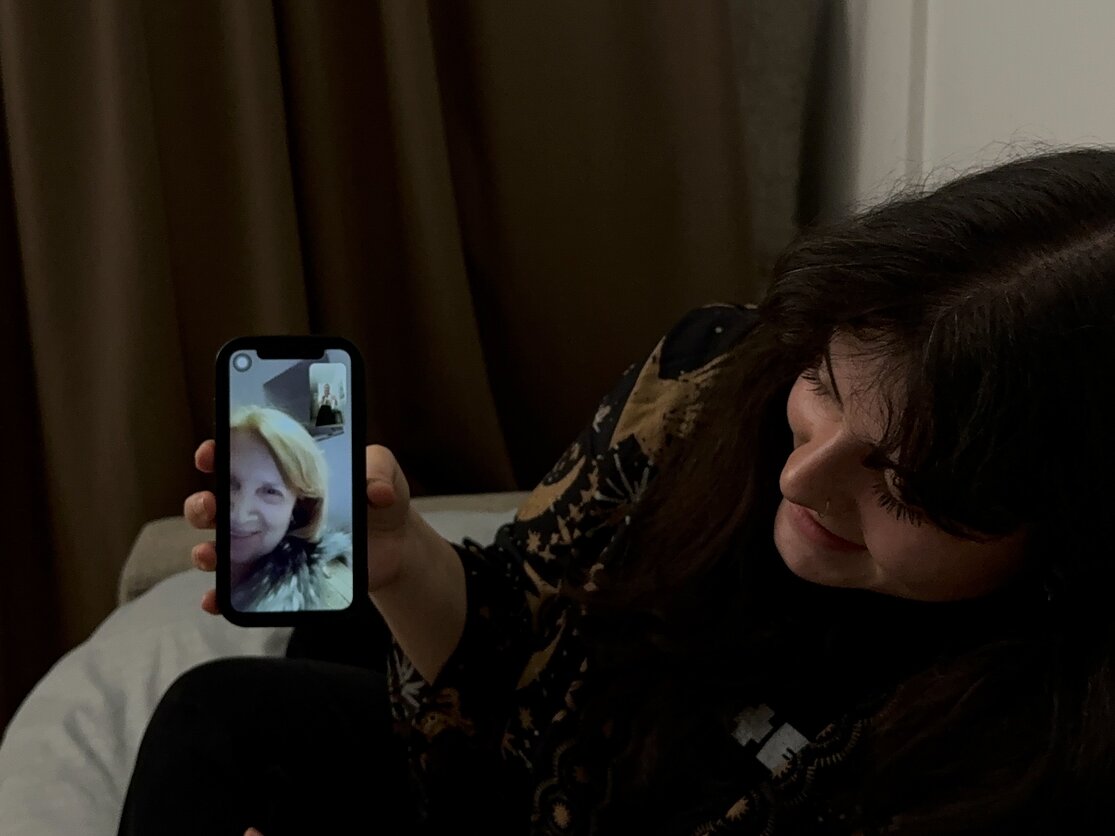
Sofi’s grandmother loves nature. The student says she is delighted that her grandmother will come to Lithuania to see the country and attend her graduation ceremony.
Her grandmother was the person who prepared her for school when she was a child, and later supported her as she prepared for university.
“It was her dream to see me graduate. That's why I feel so happy to bring her here,” she says.
Her soon-to-be diploma from SMK is “just opening the first page”. Sofi says she feels a strong urge to deepen her knowledge, as there is still much to learn about filmmaking.
Afterwards, her main desire is to share her experience in the country where she grew up.
“It's like my country raised me, and now I want to make it a little bit proud of me,” Sofi says.
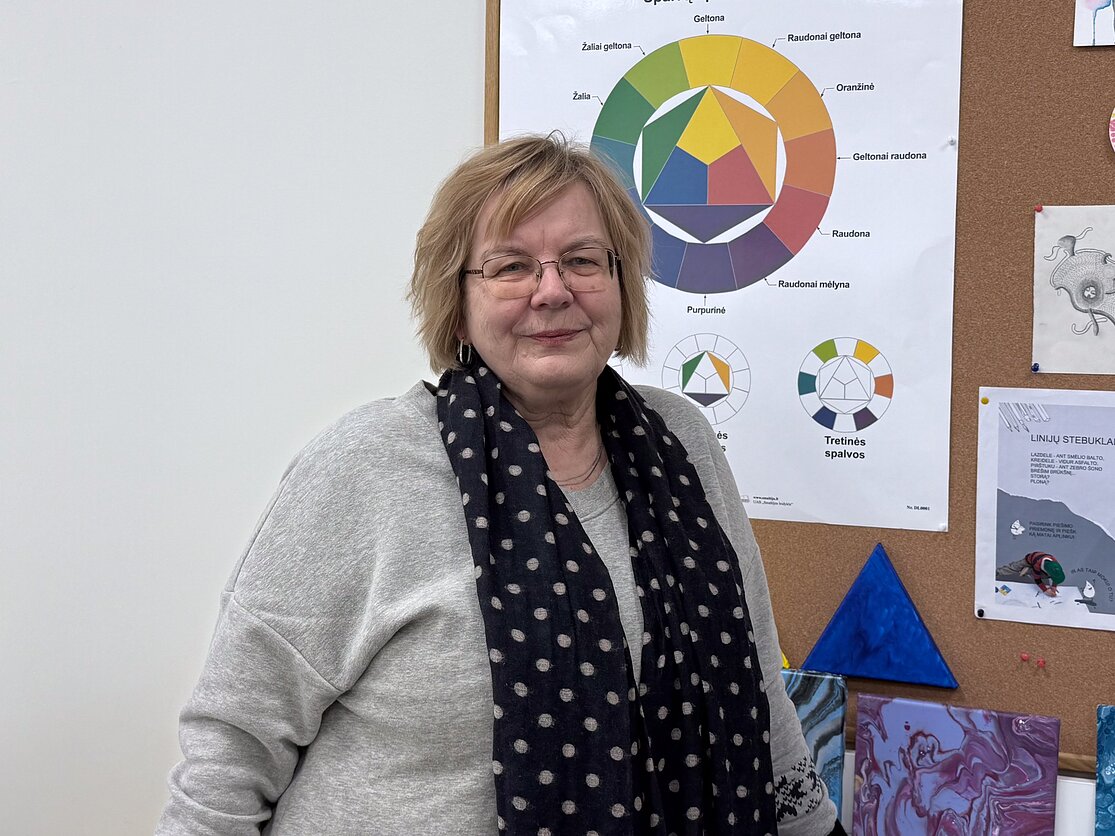
Rūta Sargautytė: 'Distance allows people to reflect on their relationships and their upbringing'
More than 11,500 foreign students chose Lithuanian universities in the 2024–2025 academic year, more than 2,000 more than the year before, according to the State Data Agency.
Rūta Sargautytė, intercultural psychology specialist and associate professor at the Institute of Psychology at Vilnius University, says many factors determine how strongly a person feels homesick while living abroad.
Firstly, it depends on the reason for emigration, and it relates most to the challenges they face.
“Some flee from danger or war, others leave by choice – for studies, work, or even love. Naturally, these circumstances shape their experience,” she says.
Another component is cultural distance, which describes how similar one culture is to another. Some cultures are individualistic while others are collectivistic; some emphasise authority and hierarchy, while others prioritise equality.
“The greater the cultural distance, the more misunderstandings and discomfort people may experience. And that can intensify nostalgia for home, where everything once felt familiar and effortless,” the professor explains.
Age also plays a role, according to Sargautytė. Young people tend to adapt more easily because of their openness and flexibility. This often means they are less bound by rigid attitudes or stereotypes.
Older people may find it harder – whether learning a new language or adapting to new systems – because their routines are more established.
“The ideal strategy when moving abroad is integration: maintaining your own traditions while also accepting and understanding the new culture. That balance often comes more naturally to younger people,” she adds.
Leaving home, especially when parents remain far away, can play a crucial role in personal development, according to the psychology expert. Distance allows people to reflect on relationships and upbringing with greater objectivity.
“Stories and literature often describe characters travelling the world to better understand themselves. In real life something similar happens. Distance can help people reconsider their values and priorities,” she says.
Homesickness, however, tends to affect people more strongly if they were extremely close to their families and used to spending most of their time within that circle.
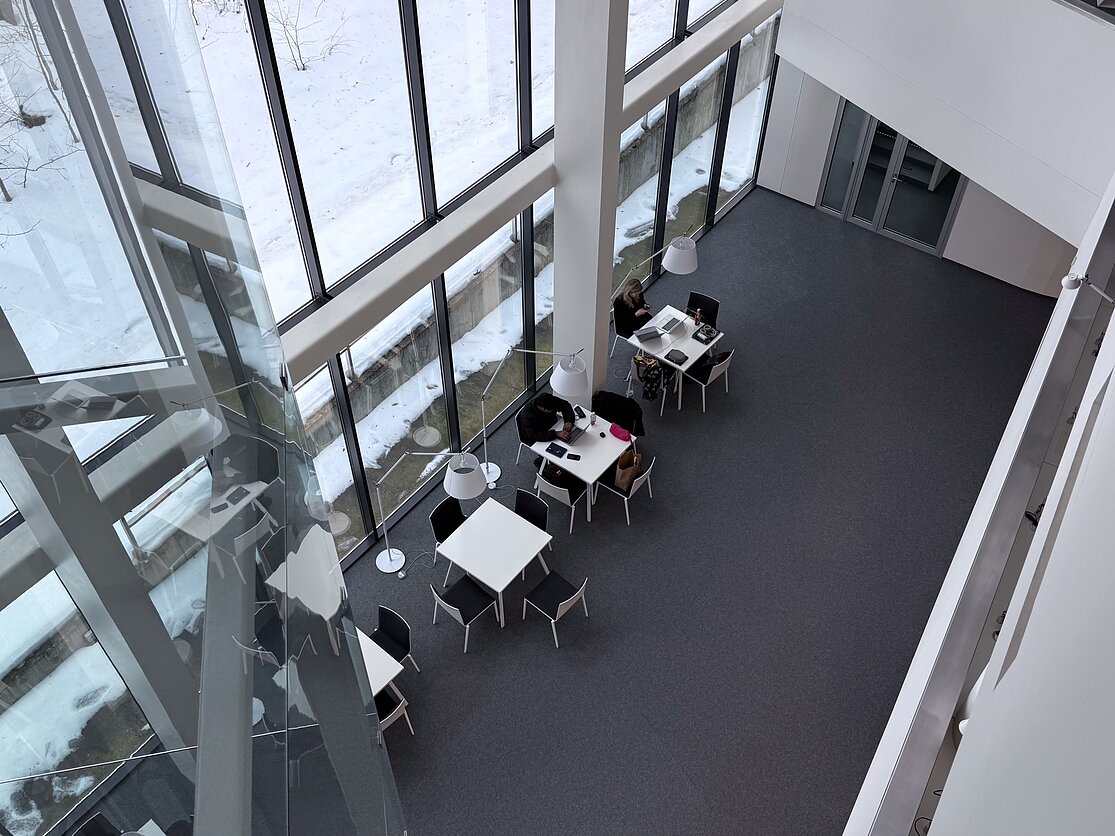
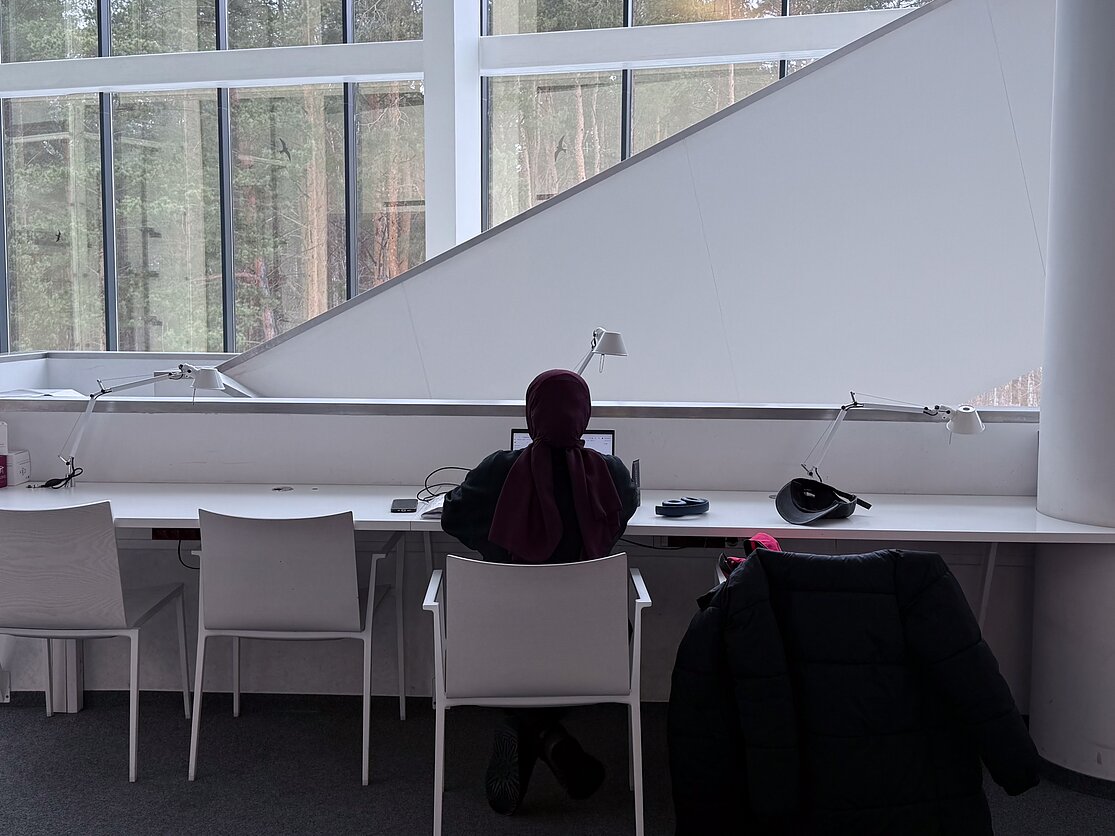
Maintaining contact helps, she says. Many people benefit from creating routines, such as calling home at a certain time each week. This regularity can provide stability and emotional security while living abroad.
However, contacting loved ones is not always enough. Symptoms such as sleep or digestive problems, persistent sadness or lack of motivation may signal that additional help from a psychologist should be considered.
“Psychological distress often manifests physically. A person may feel unable to get out of bed or engage in daily life,” she adds.
If conversations with family or friends start making things worse, if sadness deepens or motivation disappears, it may also be time to seek professional support, Sargautytė says.
At the same time, it is important to distinguish between voluntary migrants and refugees, who often carry trauma linked to lost homes, separated families and deep psychological wounds.
“Not everyone requires professional psychological treatment, but refugees are considered a risk group and often need more structured and proactive assistance than voluntary migrants,” the expert says.
This emotional state can be described as acculturative stress, a term that has largely replaced culture shock.
“Culture shock was originally defined in the 1960s as a negative reaction to living in a new country. Today, we know the experience is not always negative, and moving abroad can also be overwhelmingly positive. That is why modern psychology speaks more about acculturative stress,” Sargautytė says.
Stress is not always harmful, she adds. Sometimes it pushes people to grow, adjust their attitudes and develop tolerance.
Sargautytė also emphasises emotional regulation. People who can manage their emotions and avoid remaining stuck in despair tend to adapt more successfully.
Homesickness does not occur only immediately after arrival in a new country. It can appear later, when difficulties emerge in daily routines and meaningful connections with locals have not yet formed.
At that point, genuine human connections become essential, including relationships with colleagues, friendships and communities.
Even small interactions, such as smiling at a stranger or casual conversations, can improve psychological wellbeing.
When it comes to successful adaptation while maintaining a healthy relationship with one’s home country, balance is key.
“Bringing small pieces of home into daily routines can help – regular calls with family, familiar habits and shared traditions. People should also consciously explore their new environment: walk through the new neighbourhoods, visit museums, observe local life and learn the culture,” Sargautytė says.
Travel and living abroad foster independence. Interaction with other cultures broadens perspectives both personally and professionally, she says. It shows that there are many ways to live and think.
For some, time spent abroad may strengthen the desire to return home. In other cases, it may inspire new ideas to bring back for the benefit of their home country.
Despite the challenges of living in another country, the expert describes time spent abroad as a gift – especially for those who stay long enough not just to visit, but to live, observe and truly experience a place.
“Those experiences accumulate – and they stay with a person for life,” Sargautytė adds.

Newsletter
Every Friday morning.
