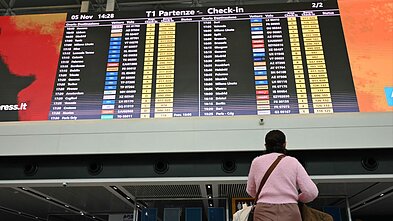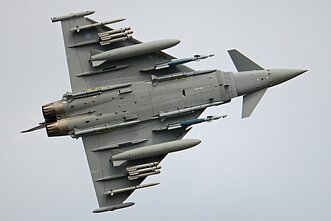














The International Civil Aviation Organisation (ICAO) has given Russia one month to explain its interference with the Global Positioning System (GPS), which is disrupting the work of aircraft pilots and ship captains. Faulty signals are especially prevalent along the coast and in the Curonian Lagoon.
GPS interference is most prominent over the Baltic states, Poland, Finland, and Sweden – posing a serious risk to aviation safety.
“It’s happening to me and others – it shows you’re over the sea when you’re actually about 20 kilometres inland in Lithuania. For some, it shows they’re in Russian territory. We came up with an idea to put the navigation device into a foil-lined box – that way, some of the apps are blocked, and interference is avoided,” said Bronius Zaronskis, the director of Nida Air Park, based in the Curonian Spit.
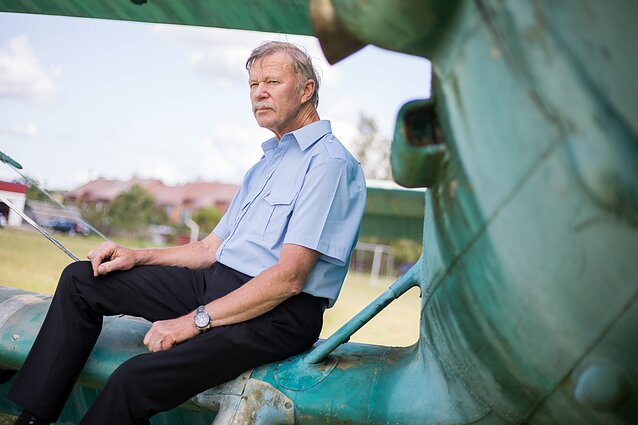
Zaronskis has been flying aircraft for 53 years and frequently takes tourists on sightseeing flights over the Curonian Spit. When not piloting, he heads Nida Air Park, now in its sixth summer of operation. The number of incoming aircraft continues to grow, nearing 1,000 annually but this summer, pilots are increasingly facing GPS disruptions.
Local pilots, who know Lithuania well, can orient themselves more easily, but for foreign visitors, it’s far more challenging, explained Zaronskis.
“There were a few who flew in from Germany, and two of them crossed into Russian territory. They contacted us over the radio and said, ‘We no longer know where we are. It seems like we’re in Russia, and we can’t find your airfield or figure out where to fly,’” Zaronskis recounted.
Staff at Nida Air Park guided the guests back to safety, and the planes landed without incident.
“Veteran pilots face any problems, because in the old days there was no GPS, no navigation – we used paper maps. We’d draw a line showing the route, calculate the course, the distance, the time,” he added.
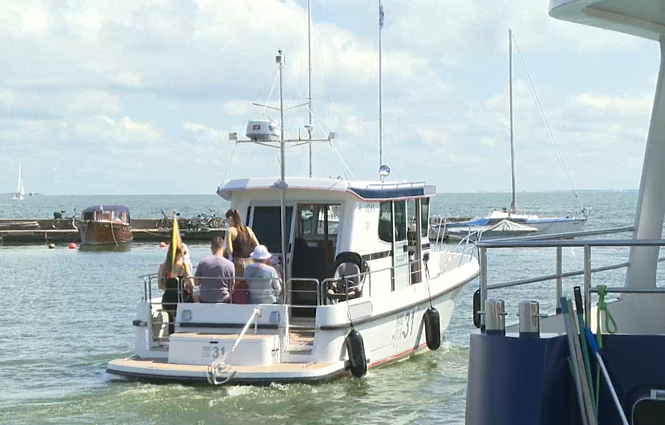
Romas Šležas, a ship captain with 35 years’ experience ferrying passengers around the Curonian Lagoon, says the area is familiar to him even in poor weather. Nevertheless, captains, too, are encountering signal disruptions.
“We do experience it but it's not too bad. Things seem to have improved over the last few weeks. Before that, GPS would work and then suddenly go blank,” said Šležas.

Border guards also help prevent accidental crossings.
“If someone is heading towards the border without permission, our officers are monitoring – they see everything. They’ll race over in a fast patrol boat to issue a warning. Jet skis are more of a problem – young people speed towards the beautiful dunes, not realising it’s the border,” said the captain.
In response to GPS jamming, crews are relying on alternative navigation methods. However, this adds to their workload and causes flight delays.
Transport Minister Eugenijus Sabutis said that a formal note had been sent to Russia via the International Civil Aviation Organisation, giving them 30 days to explain themselves and cease GPS interference.
“It’s difficult to predict what the response will be – or rather, it’s easy to predict there won’t be one. But the international community does have various levers it can use,” said Sabutis.

Newsletter
Every Friday morning.