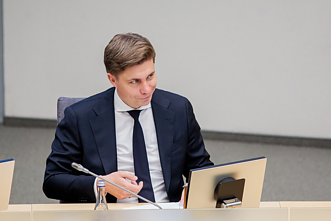













Lithuanian Transport Minister Eugenijus Sabutis visited the Stadler Polska factory to inspect the production of 15 new electric trains ordered by Lithuania. However, it was the factory’s tram models that caught his attention. While he did not rule out introducing this mode of transport in Lithuania, Sabutis suggested that Kaunas – rather than the capital Vilnius – could be the first city to adopt it.
The Stadler Polska factory in Sedlce, near Warsaw, manufactures conventional trains, metro trains and trams. It was the trams that drew particular interest from Minister Sabutis during his visit last week, as he questioned the manufacturers about the challenges of implementing a tram system in a city and sought insights from the experiences of other cities.

Should Lithuania decide to embark on such a project, representatives from Stadler Polska recommended looking to the Polish city of Olsztyn as an example.
Olsztyn operated a tram network from 1907 until 1965, when it was replaced by bus services. However, the city later opted to revive the tram system. Construction began in 2012, and by the end of 2015, the first trams were once again in service.
According to representatives of Stadler Polska, Olsztyn is one of the most recent examples in Europe of a city that has revived its tram system and essentially rebuilt the necessary infrastructure from the ground up.
Lithuania's first tram – in Kaunas?
When asked whether Lithuania might soon see this new form of transport, Minister Sabutis confirmed that the prospect was entirely realistic, though he clarified that the country's second biggest city, Kaunas, not Vilnius, would be the likely frontrunner. The idea was recently discussed by the Transport Ministry in meetings with representatives from the Kaunas city council and several members of the Lithuanian parliament – Seimas.
“Kaunas is actively pursuing its ambition to introduce a tram system,” said Minister Sabutis. “Not long ago, the city’s mayor and his team visited the ministry, along with Seimas members elected in Kaunas, and we spent quite a bit of time discussing the idea. It’s a mode of transport aimed at reducing traffic congestion, encouraging fewer people to drive within the city or its centre, and helping to keep the city clean, less polluted.”

However, he noted that the tram project would be a “costly pleasure” and that securing additional funding sources would be essential for its implementation.
“Although Kaunas is showing interest, it’s hard to imagine moving forward without European funding. I don’t want to throw numbers around, but we’re talking well beyond a hundred million euros here,” he explained.

The project could cost around €240 million
The Kaunas City Municipality had recently commissioned a feasibility study, costing €200,000, to explore how urban mobility in the city might be improved – with the potential tram project being one of the projects examined.
As reported earlier by LRT, the proposed tram line in Kaunas could stretch for approximately 13 kilometres from the Eiguliai microdistrict to the city centre. The route has been considered with regard to population density, commuting patterns, and street widths – tram tracks require streets at least seven metres wide.
According to the municipality, the tram line in Kaunas could cost around €240 million. If funding were not an obstacle, residents might be able to take their first tram rides as early as 2032.

A metro in Vilnius? Not for now
The capital city, Vilnius, also explored the idea of introducing a tram system nearly a decade ago, but the concept was eventually shelved. Discussions about developing a metro network have also circulated for many years. However, Minister Sabutis expressed scepticism about the feasibility of a metro, citing higher priorities.
“We will not return to the Vilnius metro idea for at least the next three to four years. We already have a number of infrastructure projects underway, and we don’t believe the metro project can be moved forward without appropriate funding,” said Minister Sabutis.

Newsletter
Every Friday morning.