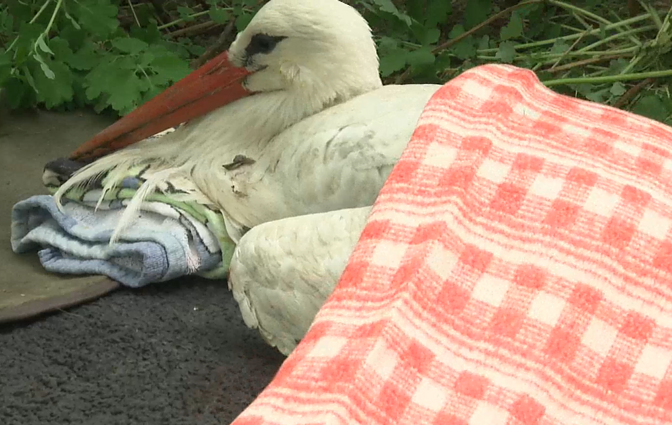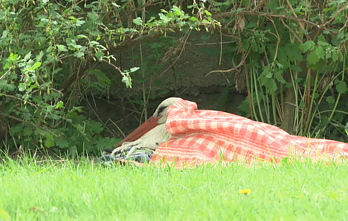





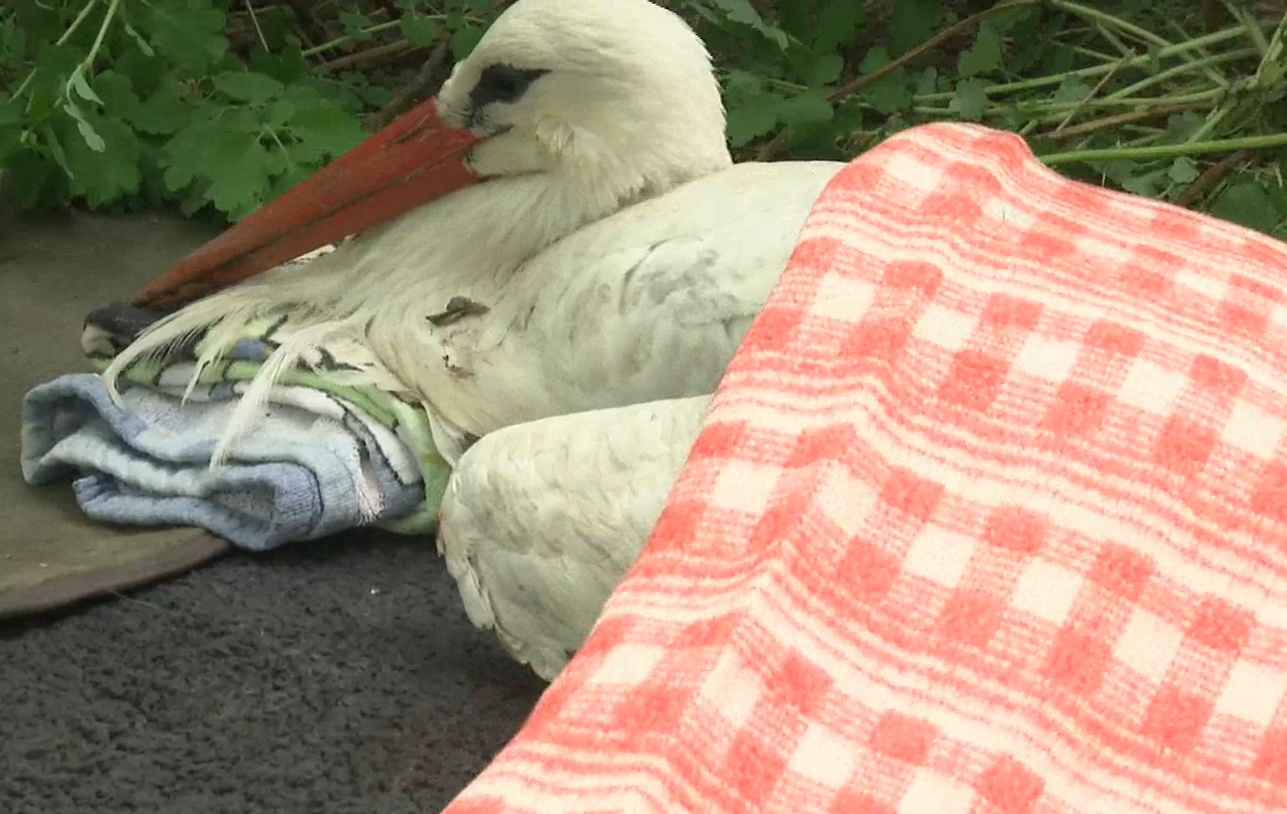
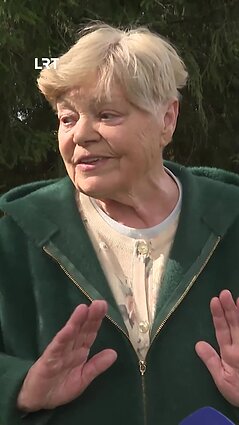
Olga, a resident of the Vilnius district, reached out to LRT after spending 12 hours trying to find someone to help a stork, which had flown into her house.
“I called all the services: Kaunas, 112—they said, ‘Wait, we’ll come.’ But no one came, no one helped,” she said.
According to the woman, the Wildlife Care Centre at the Lithuanian University of Health Sciences is the only institution in the country providing round-the-clock assistance for wild animals. However, the specialists only offered advice over the phone, saying they were unable to come due to a high volume of work.
“They told me, ‘If it dies, then call us,’” said Olga.
In the end, however, staff from the Wildlife Care Centre collected the injured stork for examination.
Nature expert Selemonas Paltanavičius spoke to her by phone but admitted that, in some cases, it is best to let nature take its course.
“It’s hard to say anything without seeing the bird, but if it’s not getting up, if it’s just lying there, if it has a broken neck or a spinal injury, then it’s pretty much untreatable,” he said.
Paltanavičius also warned that even a weakened stork can pose a danger to anyone trying to help it: “You have to be very careful of the beak. Sometimes the bird seems completely helpless, but storks in particular can peck fiercely.”

Newsletter
Every Friday morning.