
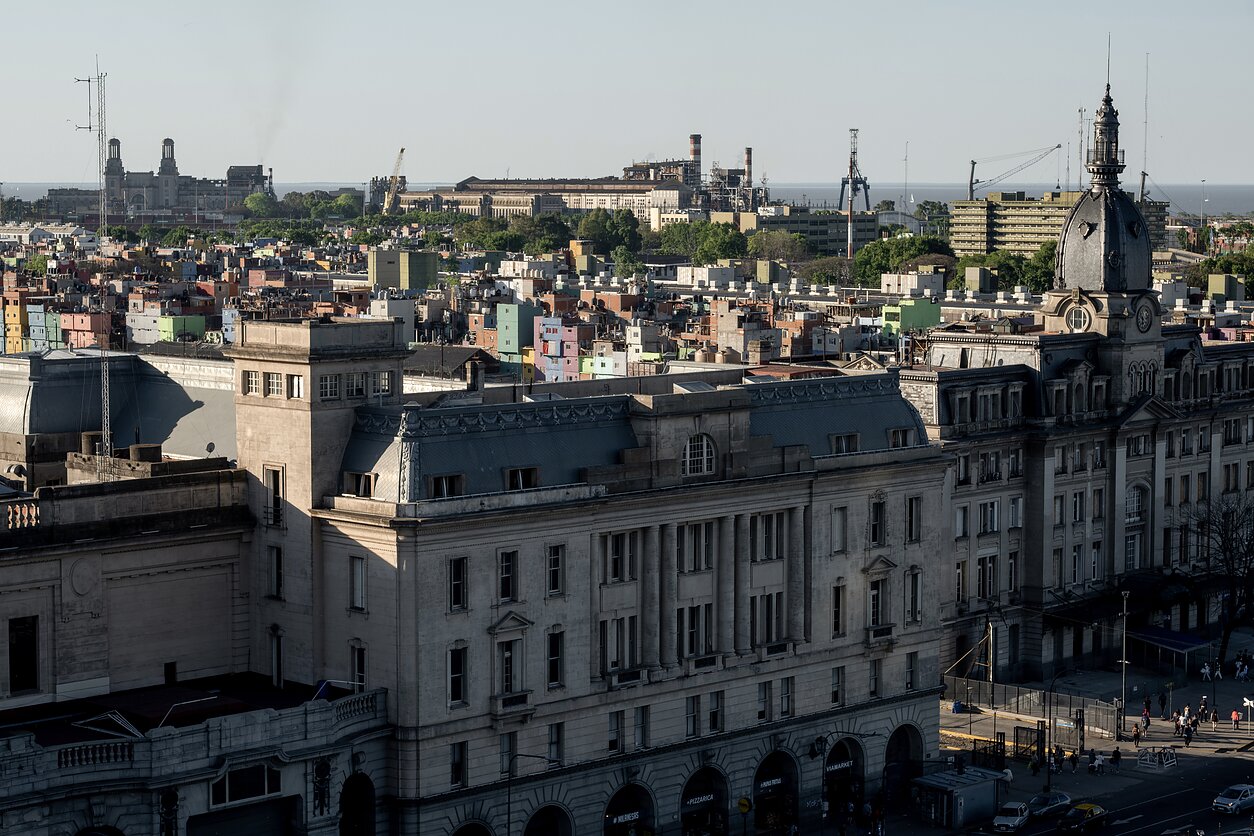
Each generation has sought its own unique relationship with Lithuania, and today the grandchildren and great-grandchildren of Lithuanians who emigrated to Argentina a century ago are looking back to their ancestral homeland.
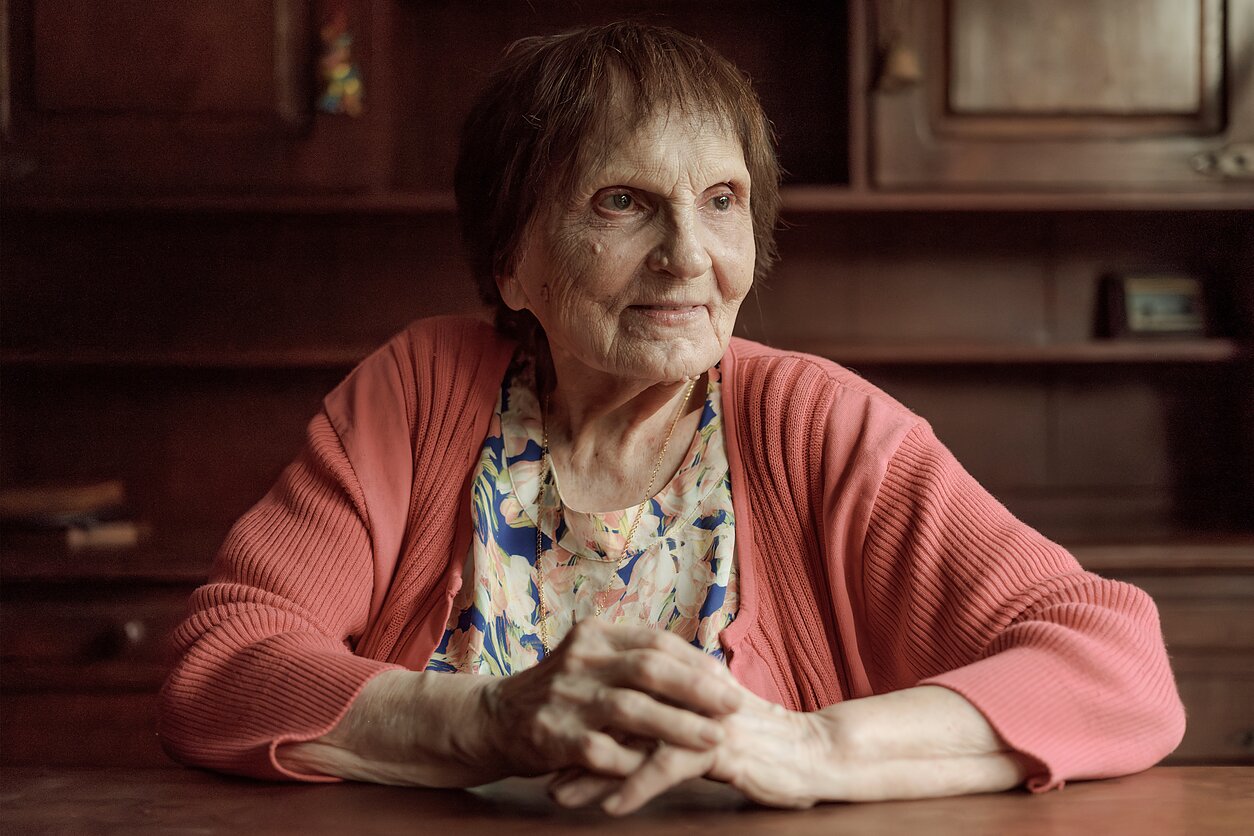
“I grew up not knowing who I was. I loved Lithuania and every night I used to ask my mother to tell me about her life in Lithuania. She would tell me how she used to run through gardens, go to church barefoot, what the fence was like...
“Her sisters used to write to her and say: ‘Don’t think that Lithuania is the same as it was when you left. There is a wide road going through those places now.’ But I always imagined that Lithuania was that fence, that garden. I have always said that I am a hija de Lituanos (daughter of Lithuanians),” says Argentinean-Lithuanian Irenė Gaidamauskas in Buenos Aires, speaking in somewhat antiquated-sounding Lithuanian.
Between 1923, when the Lithuanian Statistics Department started collecting emigration data, and 1931, about 15,000 Lithuanians left for Argentina. The actual number of Lithuanians in Argentina between the two world wars, however, could have been as high as 40,000, including those who left before 1918 or went to Brazil first and moved to Argentina later, in search of better opportunities.
Lithuanian migrants would first take a train to Germany and then board a ship in Hamburg or Bremen bound for South America.
In an interview recorded by Vytautas Dorel in Argentina in the 1980s, Anele Kubiliūtė, who emigrated from Vilkaviškis to Argentina in 1926, says: “There was a German ship, the Monte Olivia. We boarded the ship in Hamburg in November and arrived on December 24. It wasn’t sad. Nobody cared, we just wanted to see something new, a harbour. The ship docked eight times on the way.
“When we’d be approaching a port, we’d ask what it was. They were carrying a lot of mercaderia (merchandise) and picking up goods from other places, so they’d stop a lot. Sometimes they would stay docked all day. We were travelling for a whole month.”
The reasons for Lithuanian emigration were many. The country’s industry developed slowly, with 80 percent of the population still engaged in farming. While land reforms of the 1920s benefited some, they were not enough to prevent widespread rural poverty.
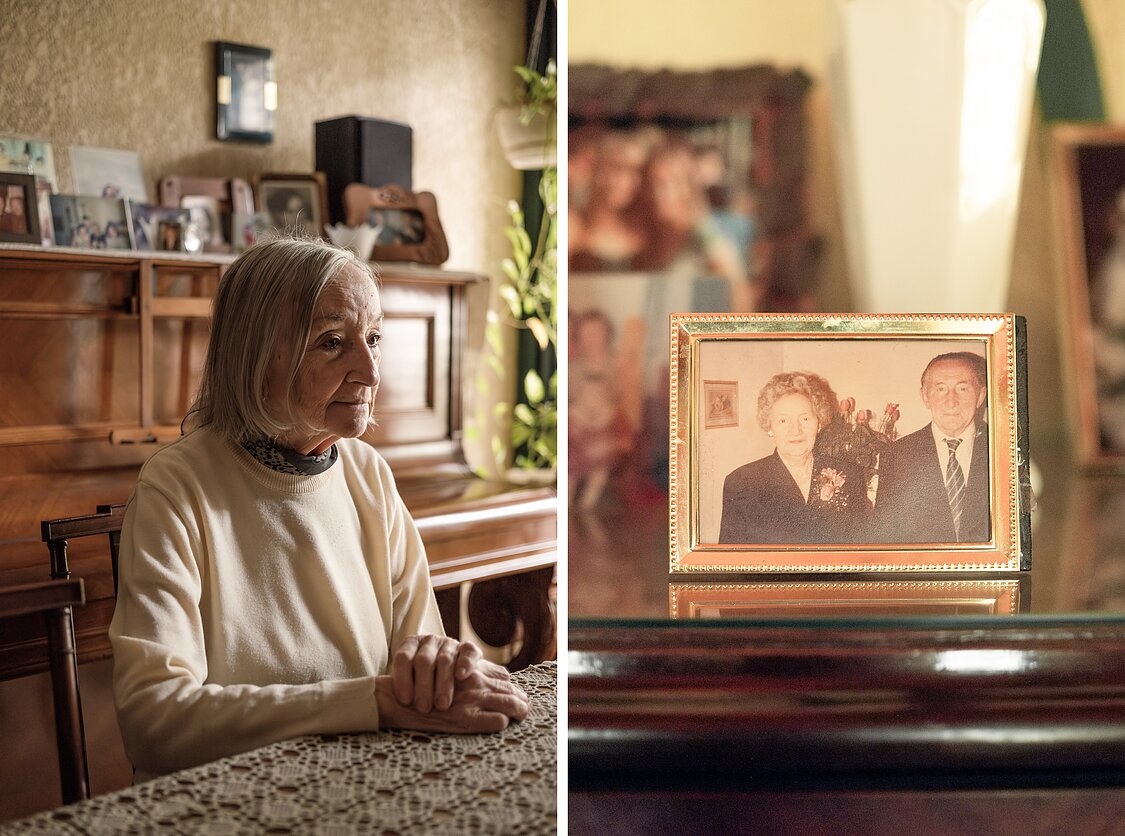
“My grandmothers arrived in 1925 and 1927. Both came from very poor families, they lived in the countryside and sometimes did not even have enough to eat. Both my great-grandparents arrived around 1911. My father’s father was very poor.
“My great-grandfather on the mother’s side sent both his sons to Argentina to protect them from being conscripted into the Tsar’s army,” says Miriam Griszka, an Argentinean Lithuanian.
Early-twentieth-century Argentina, meanwhile, was an economic powerhouse, second only to the USA in terms of economic development in the western hemisphere. As the latter tightened entry conditions, Argentina pursued an open immigration policy, actively inviting Europeans to come. Word of the promised land spread to Lithuanian villages.
“There was a man in Biržai. He organised for people to come to Argentina, to get the paperwork in order. His wife was supposed to go, but at the last moment, she changed her mind. That left him with an extra schiffkarte (ship ticket). He went to my grandfather’s and offered my mother a ride, saying that she could earn good money there. My mother was not even 18 then”, recalls Gaidamauskas.
“My parents thought they’d go to Argentina, work for a few years and then come back,” continues Irenė. Most Lithuanian migrants also thought so, but the great depression of the 1930s and the subsequent occupation of Lithuania meant that many never returned.
In Argentina, Lithuanians organised themselves into communities and organisations. The old-timers would help the newcomers settle in and find jobs, and of course, on weekends, everyone would go to dance. It was during one of these parties at Centro Lituano in Buenos Aires that Irenė’s parents met.
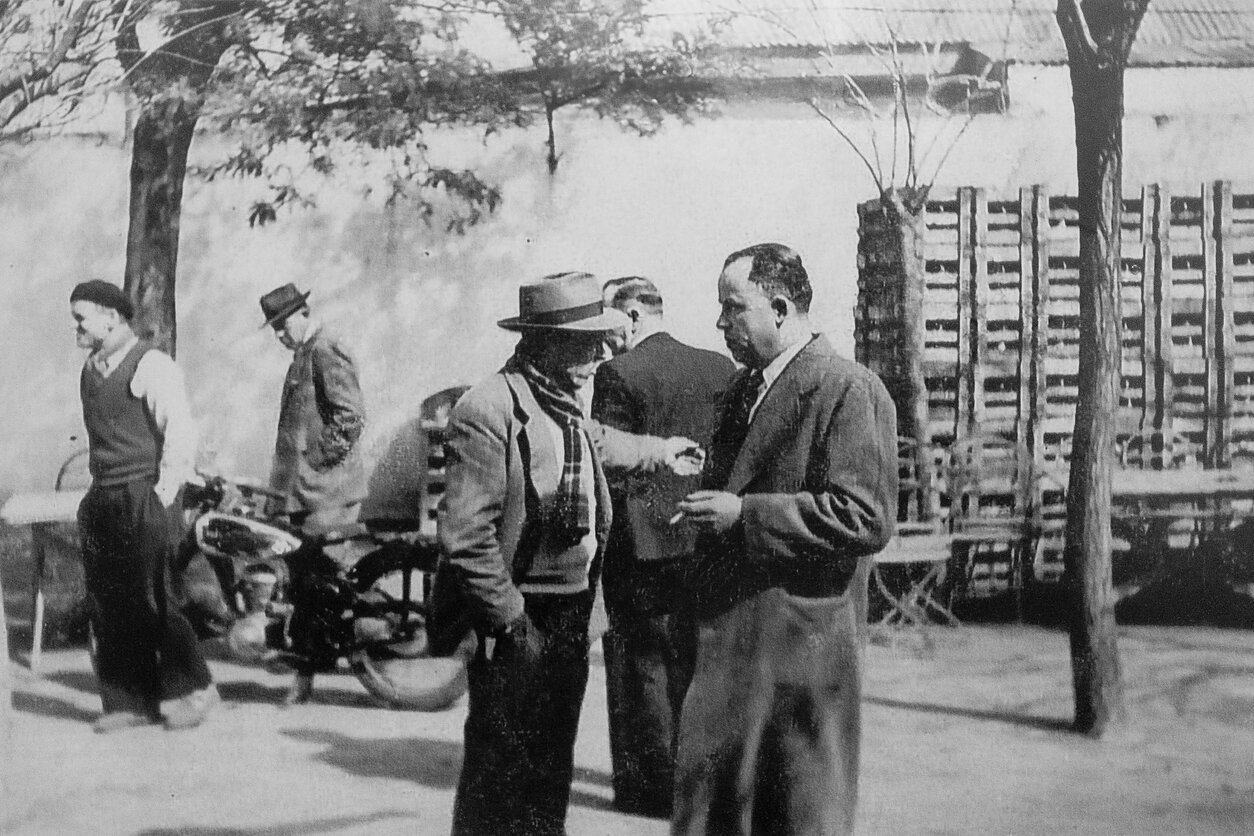
“Lithuanians used to gather there to dance, so that’s how they met. Back in Lithuania, they had lived close to each other. They told me that they used to go to the same church but they never met in Lithuania. They met here and, about two years later, they got married. My father worked as a gardener, my mother did the housework and looked after the children.
“Later, he started saying that there was a lot of money to be made in the slaughterhouses in Berisso. So they moved to Berisso and started working in one of the slaughterhouses,” recalls Irenė.
Berisso, a suburb 60 kilometres from Buenos Aires, was an important industrial centre at the time, with its own port, a shipbuilding company and two huge meat processing plants, Swift and Armour. They were a magnet for thousands of expatriates from all over the world looking for work.
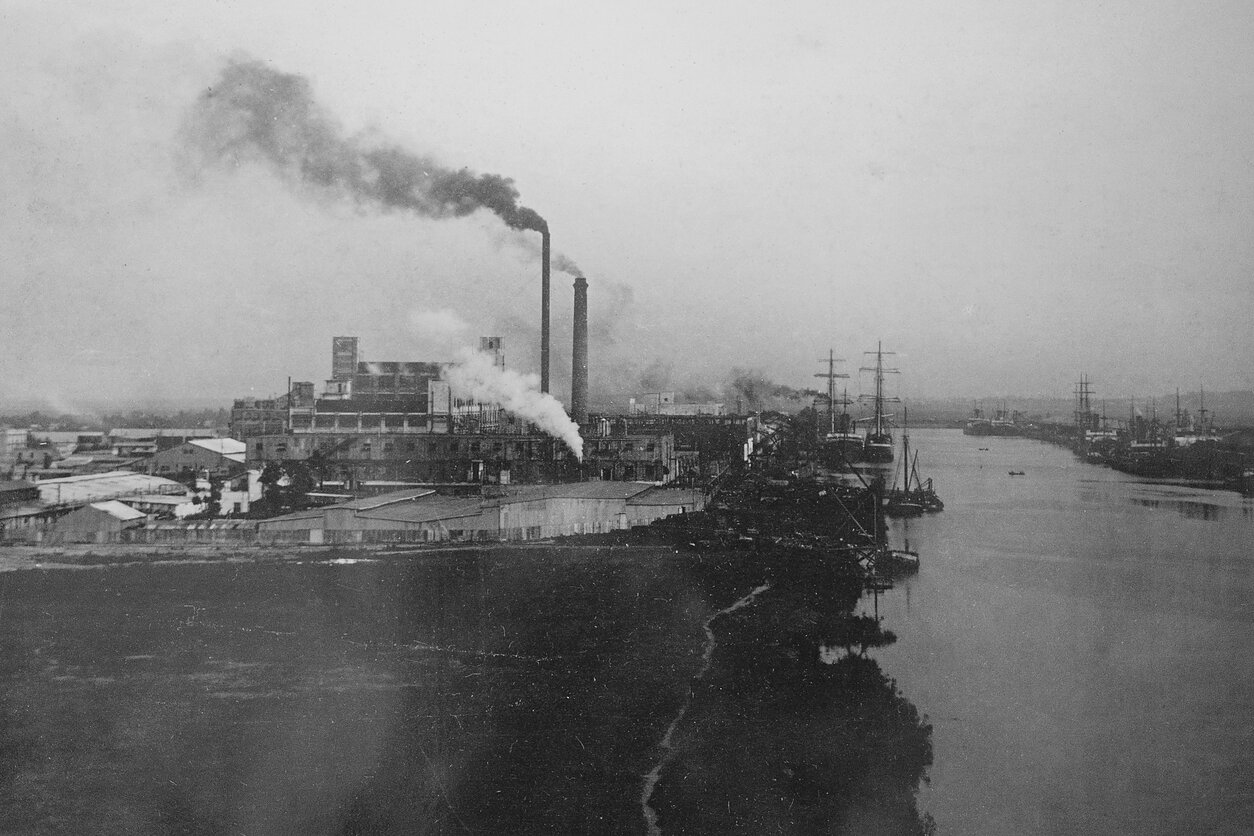
Between the wars, around 5,000 Lithuanians lived in Berisso, few of whom worked outside the slaughterhouses. To this day, Lithuanians in Berisso are fond of pointing out that their compatriots were highly valued for their fearlessness in the harshest conditions and their resistance to the cold.
“All my grandparents worked in slaughterhouses,” says Miriam Grizska. “Slaughterhouses were the city’s main employer. Practically everyone worked there. They slaughtered cows, but not just for meat, everything was consumed – skin, eyes, hooves. Nothing was thrown away.”
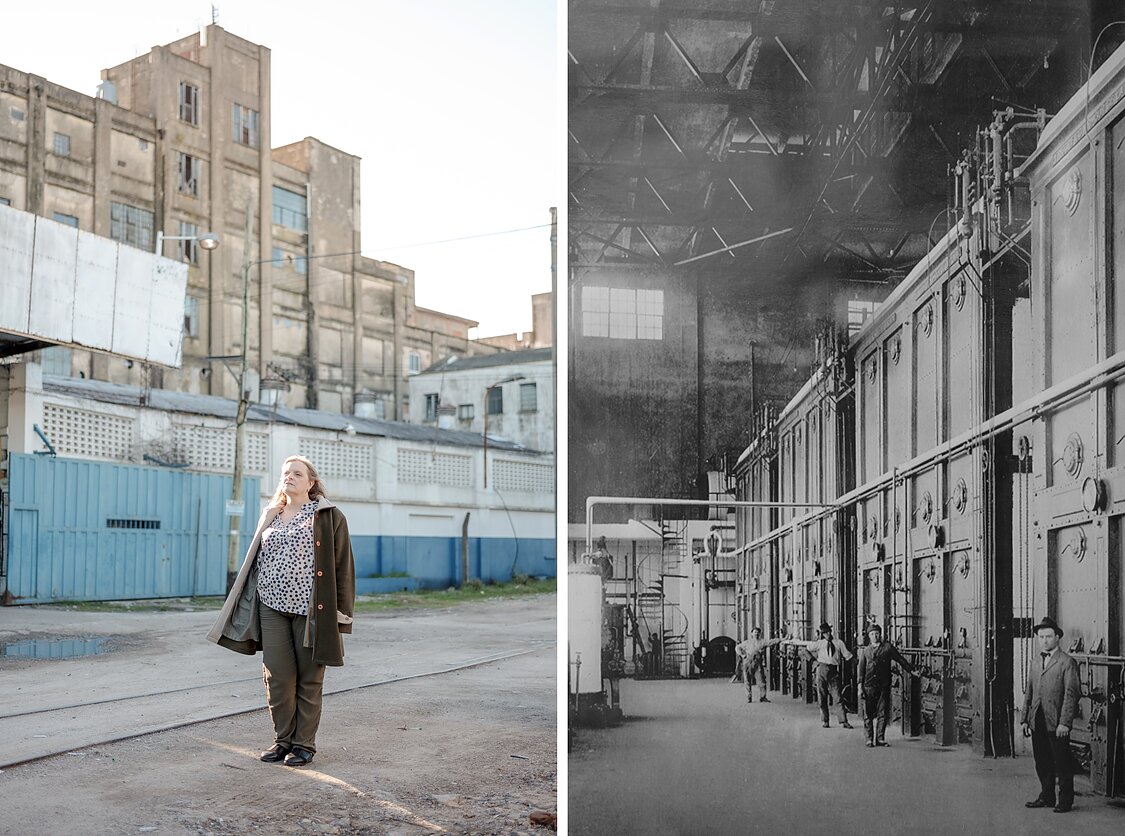
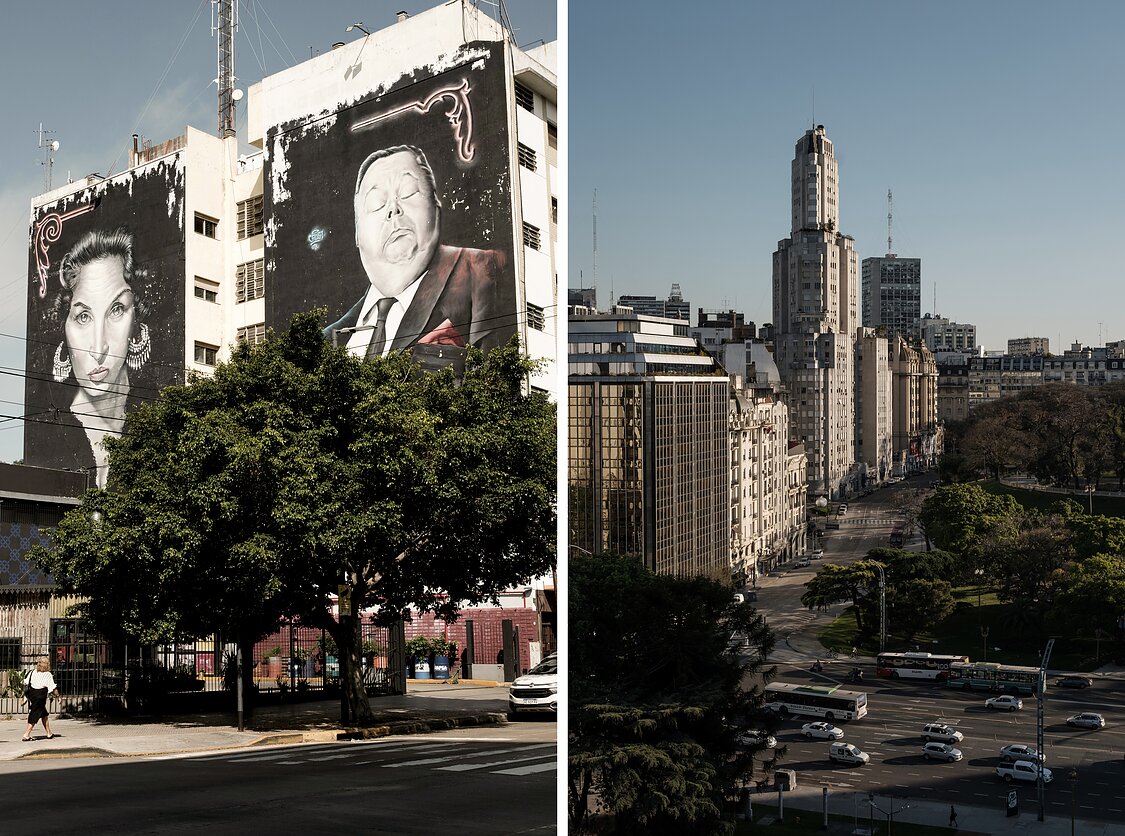
The industrial past of the town is still evident in the skeletons of the meat processing plants. A monument with the flags of the 25 nations that settled here still stands in the centre of Berisso.
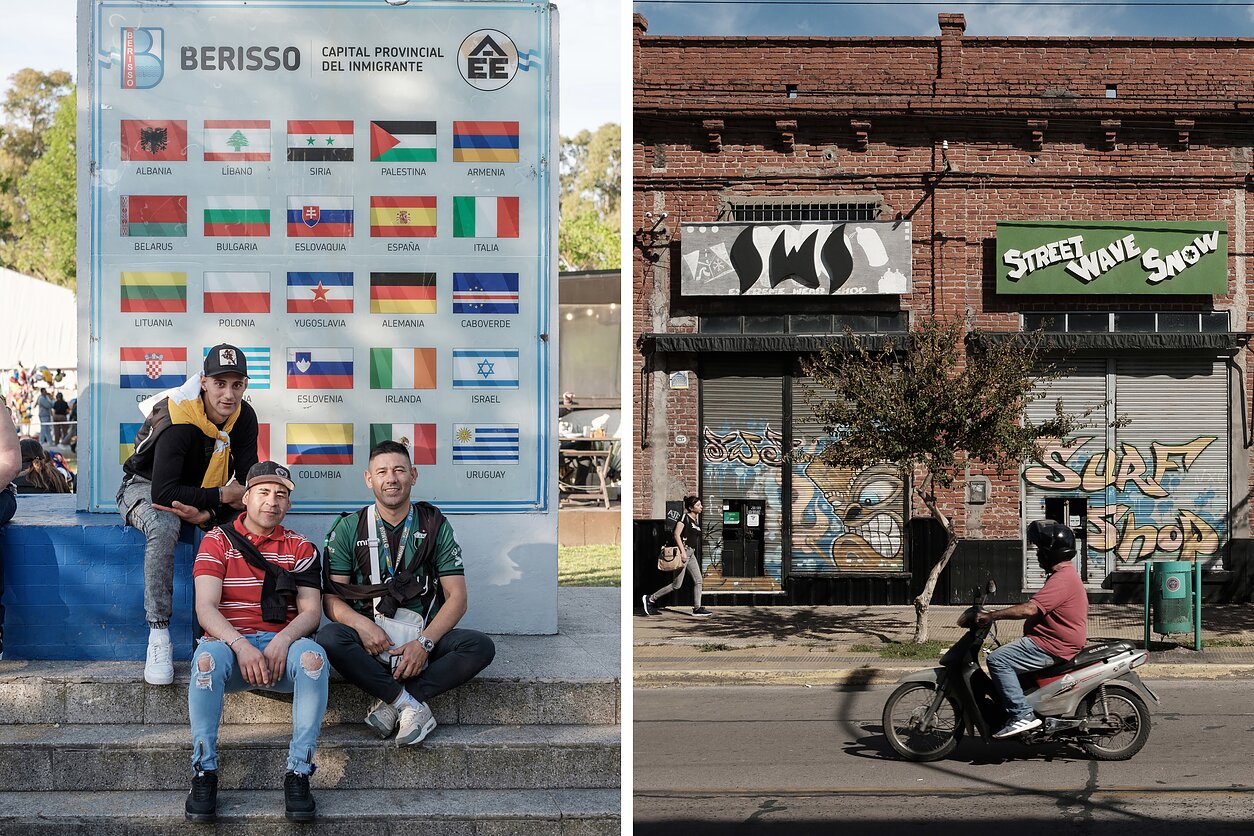
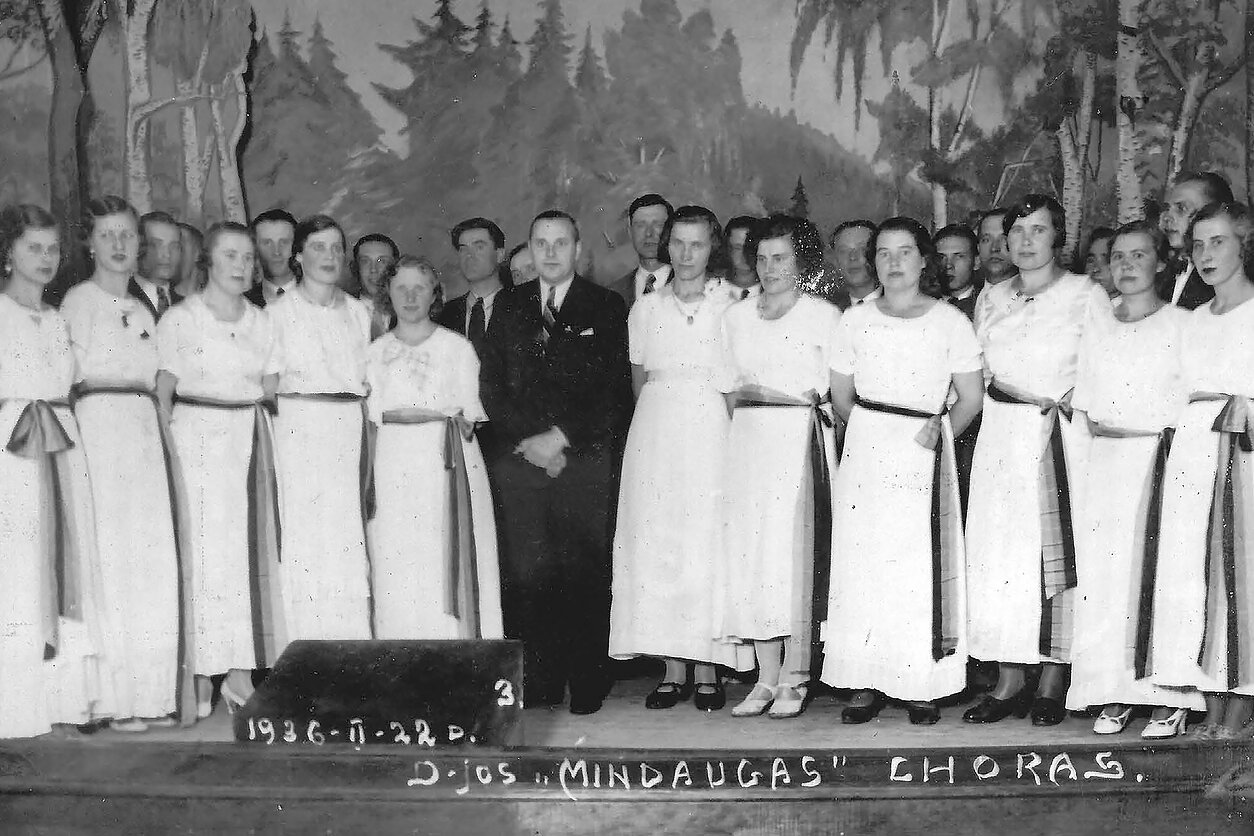
Each country is represented by an old community centre. Lithuania has two. Griszka’s grandfather, Feliks Griszka, was one of the founders of the Mindaugas Society. Miriam, who was involved in the society from an early age, today continues her work as the director of the Mindaugas Society.
The cultural and social life of the Lithuanian communities was very active, centred around theatre groups, dance groups, choirs, newspapers. Parents taught their children Lithuanian.
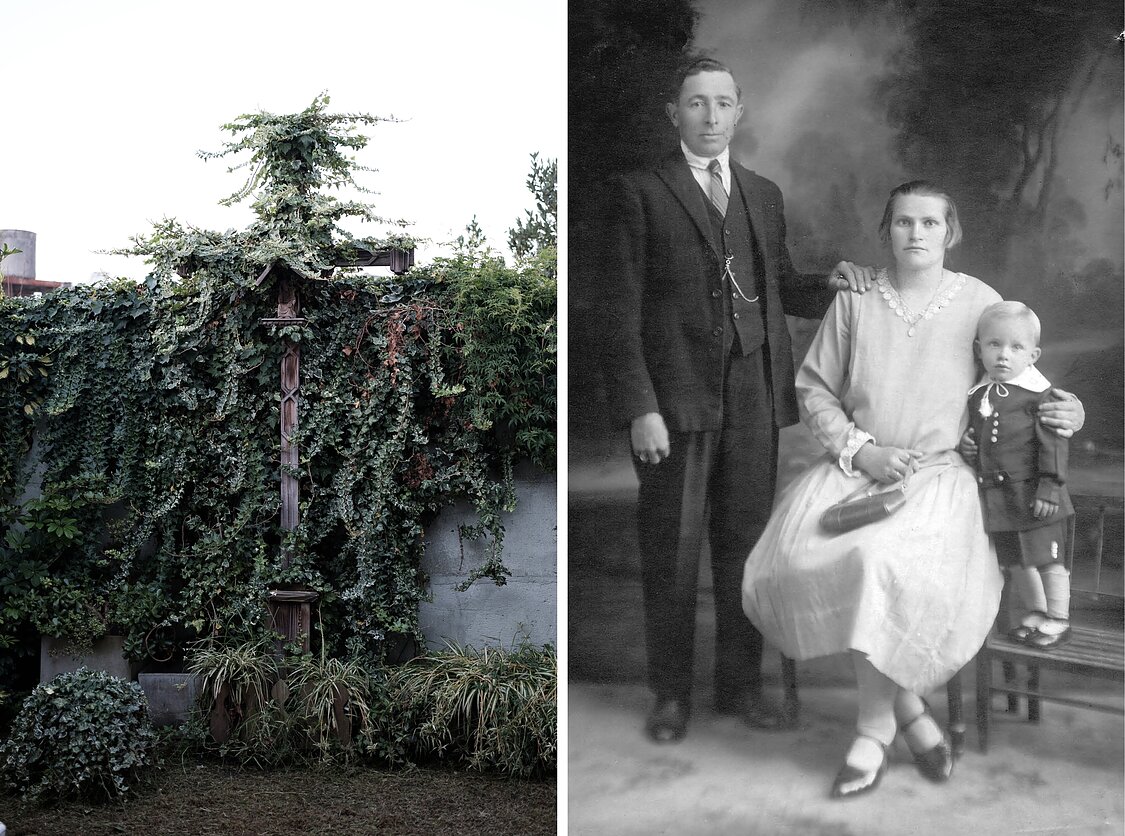
When Lithuania was occupied by the Soviet Union, the expat communities felt it was their duty to preserve Lithuanian culture.
During the Cold War, communication with family members on the other side of the Iron Curtain was difficult.
“My mother had a cousin. She sent letters to him and he wrote back, but I know that my mother’s letters were censored. It was very sad. Everything was crossed out with black lines. Or words were cut out,” says Griszka.
Meanwhile, those who remained in Lithuania were afraid to even mention that they had relatives in the West. The Soviet authorities were suspicious of people with foreign connections, threatening them with persecution, repression and discrimination. Diaspora ties with Lithuania faded, but never went away.

Newsletter
Every Friday morning.
