








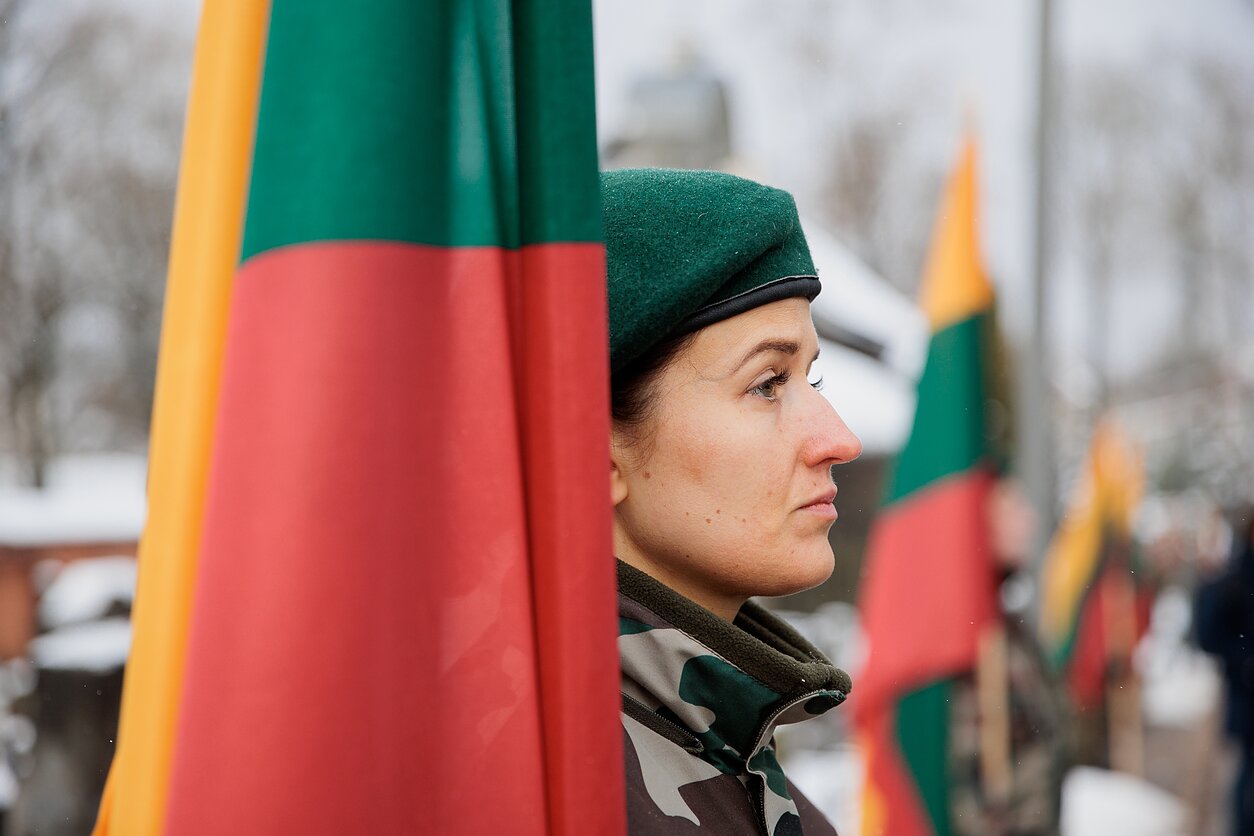
Lithuanian citizens, businesses and organisations will be able to donate for the country’s defence needs by making online transfers or purchasing “defence bonds”.
The new law allowing this enters into force on October 1, Defence Minister Laurynas Kasčiūnas said on Monday.
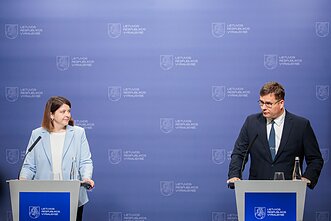
“Starting tomorrow, a webpage will be activated where [...] it will be possible to make a bank transfer, create a recurrent payment and buy bonds. People will be able to pick the amount they want to donate and make donations through the well-familiar banking mechanism,” the minister told a press conference.
“People, companies, various organisations will be able to make contributions to support Lithuania’s defence,” he added.
Finance Minister Gintarė Skaistė told the same press conference that the bonds would be available for purchase from October 10.
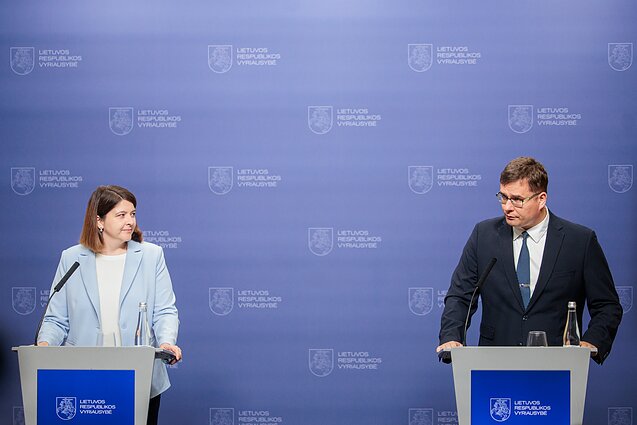
“People and businesses would be able to lend money for national defence at a cheaper rate than the Lithuanian government borrows on the market,” Minister Skaistė told reporters.
According to Kasčiūnas, people will be able to make one-off or periodic donations, and the money will go to the Defence Ministry’s special account. The ministry will keep the public regularly informed about the process.
“We have heard numerous times that people would like to have this opportunity. And now they will have it,” Kasčiūnas said.
In late June, Lithuanian lawmakers adopted a package of measures to raise military funding. Besides the establishment of the Defence Fund, it also instituted a 1-point raise to the corporate tax (to 16 percent) from next year and increases to the excise duties on tobacco, alcohol, and fuel.
“The decisions we made guarantee that we can allocate 3 percent of our GDP to national defence long term. These are sustainable sources of revenue that will guarantee that even if political priorities change, there will be enough money to guarantee the 3-percent [funding],” Skaistė said.
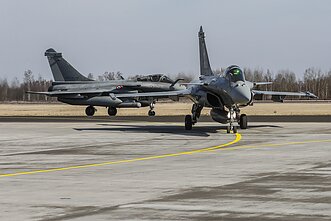
According to Kasčiūnas, the funds will be used to establish an army division, a tank battalion, to acquire infantry fighting vehicles and to strengthen air defence. The money will also be used to finance the purchase of mines, the installation of physical barriers, anti-tank barriers and the implementation of the remaining part of the countermobility plan.

Newsletter
Every Friday morning.