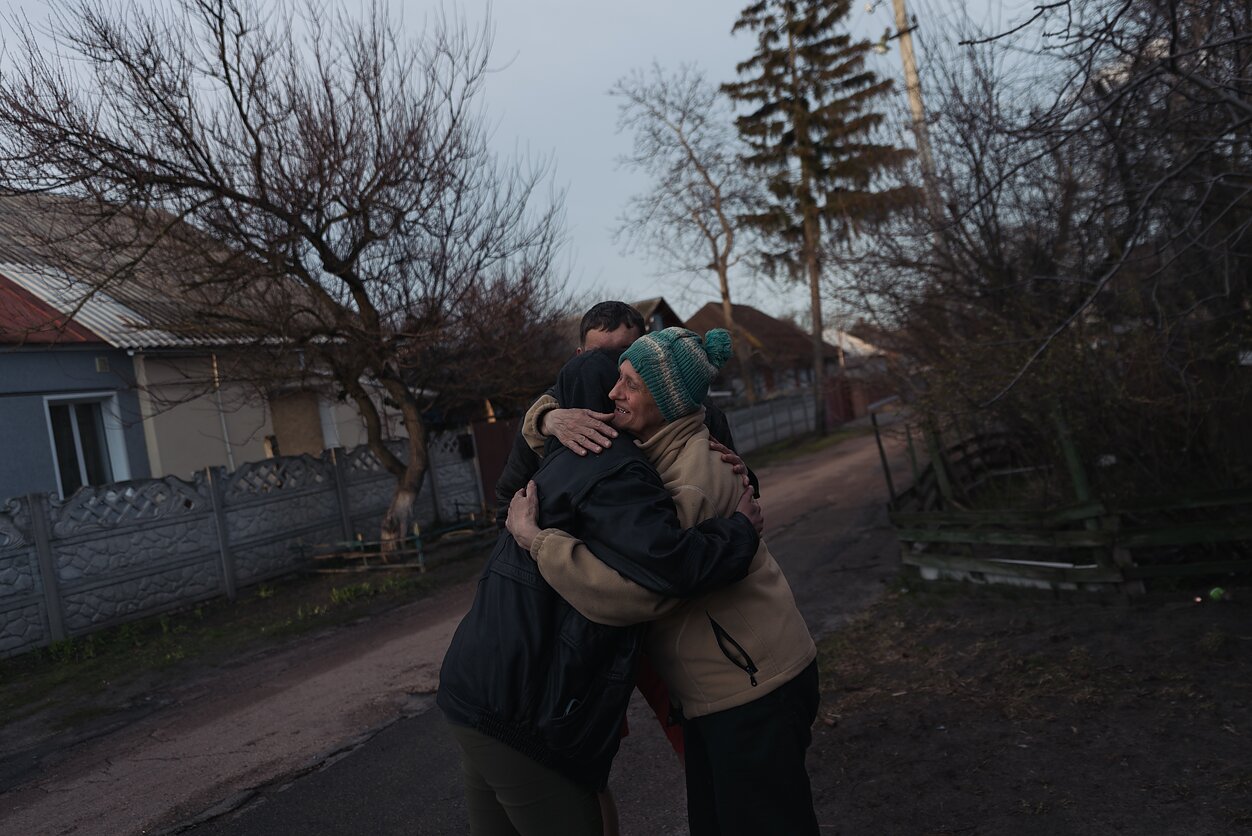
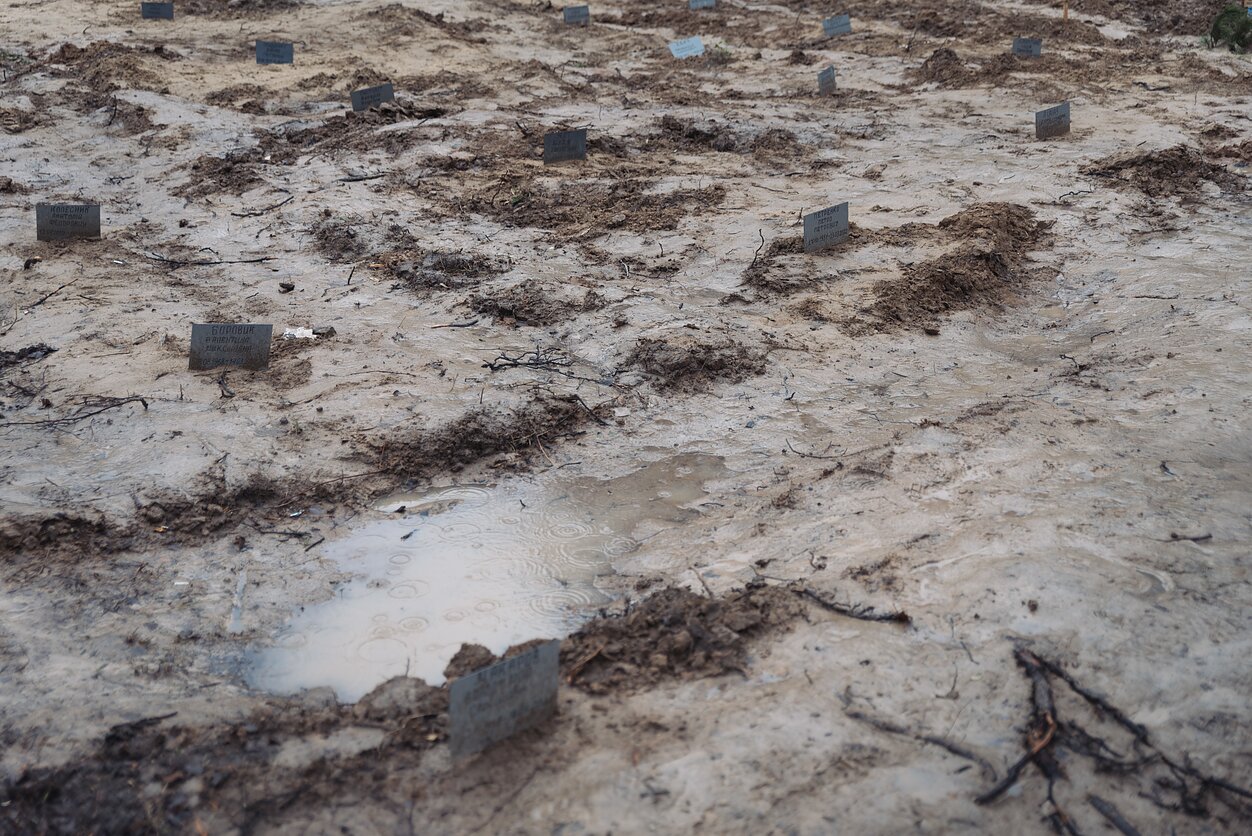
In early 2022, the world’s eyes turned to the 100,000 Russian troops gathering on Ukraine’s borders. As the Washington Post would reveal almost six months later, Moscow had already decided to invade Ukraine. The countdown had begun.
My flight touched down in Kyiv on January 31. It was almost eight years into the war in Donbas and just 24 days before the full-scale Russian invasion. In hindsight, the incremental steps toward war were clear to see.
But were they?
“I hate you, journalists,” jokingly snapped one Kyiv urbanite at a cafe. “All you do is talk that the war will happen.” Like her, many were choosing to ignore, or to dismiss, the near-constant talk of war.
At the time, all bets were still on.
Some said the Russian troop movements were just an opportunity for Washington, after its botched withdrawal from Afghanistan, to appear steadfast. Others pointed at the battles heating up again in Donbas, or Russia's need for a “land bridge” to Crimea, or countless other options, scenarios, fantasies brought up from taxi drivers to think-tanks and diplomats.
“It did not seem like the kind of thing that a rational country would undertake,” one White House official would later tell the Washington Post.
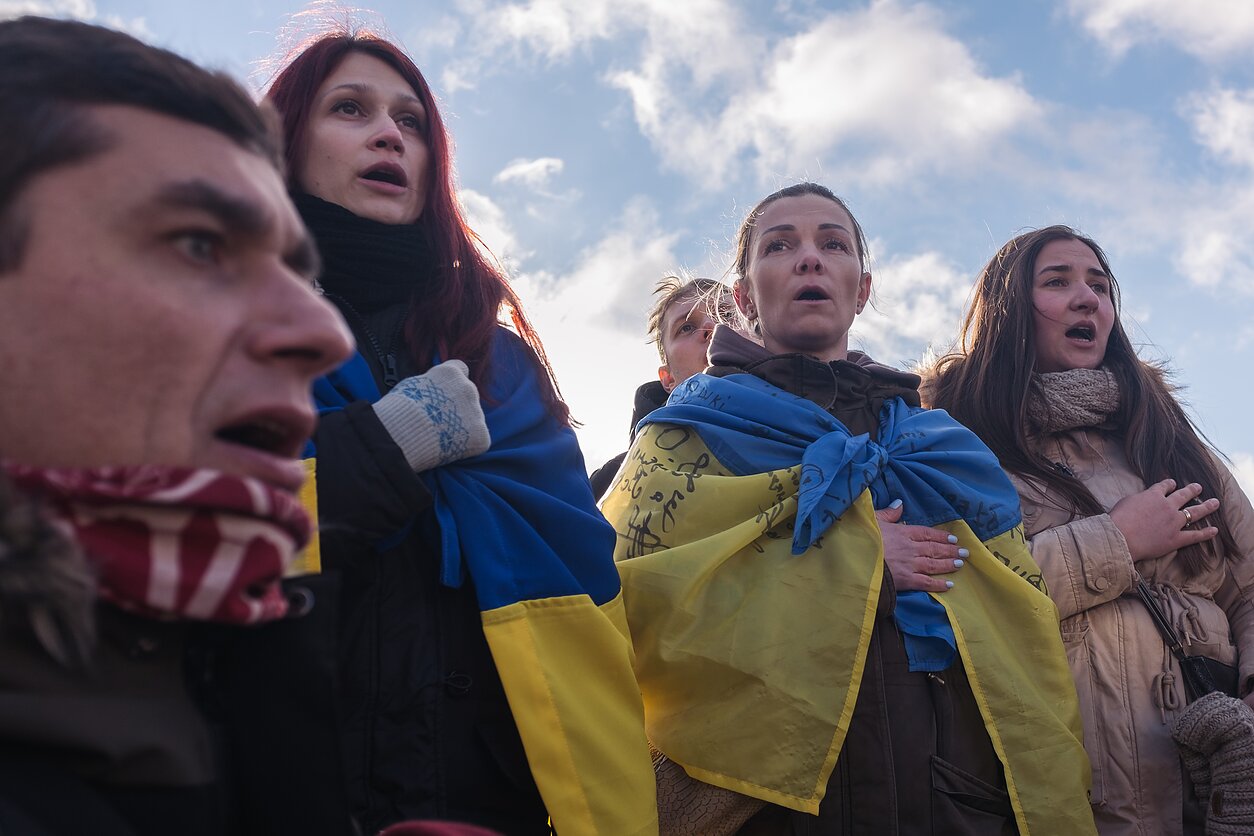
Packed in my backpack was a best-selling book, Lithuania’s Last Summer by Norbertas Černiauskas, which captures the last days before the country’s statehood crumbled with the invasion of Soviet troops in June 1940.
Through historical archives, Černiauskas profiled the daily life of people across Lithuania and its seeming banality amid the Second World War – from tourism bulletins to a nationwide push to install heating.
In one instance, Černiauskas includes a quote from a glider pilot who had won a national competition and expressed high hopes for his career. A footnote and the source of the photo – the archives of Siberia deportees – show his fate played out differently.
Knowing what we know now, it’s easy to look at those caught in both wars as naive, unprepared.
“I wanted to put a distance from what’s said in the history textbook, [that] everyone was living in this tension and waiting for the war to begin,” said Černiauskas.
Not unlike Ukrainians in February 2022, people in Lithuania in 1940 lived submersed in their day-to-day.
“The reactions to the war in Ukraine showed that we are basically looking back and saying [...] the war was unavoidable,” Černiauskas said. “But we didn’t wait until the last day [for the war] to begin.”
In his book, Černiauskas captures the prevalent mood among people at the time, which resonates today, six months after the Russian invasion of Ukraine.
“As soon as hostilities start, [...] there is a clear shock, concern about the future, but when the war doesn't come, people [...] are drawn to other problems,” Černiauskas said.
This was the case in Lithuania in 1940 and in Ukraine before February 24. “But this is human nature,” Černiauskas said.
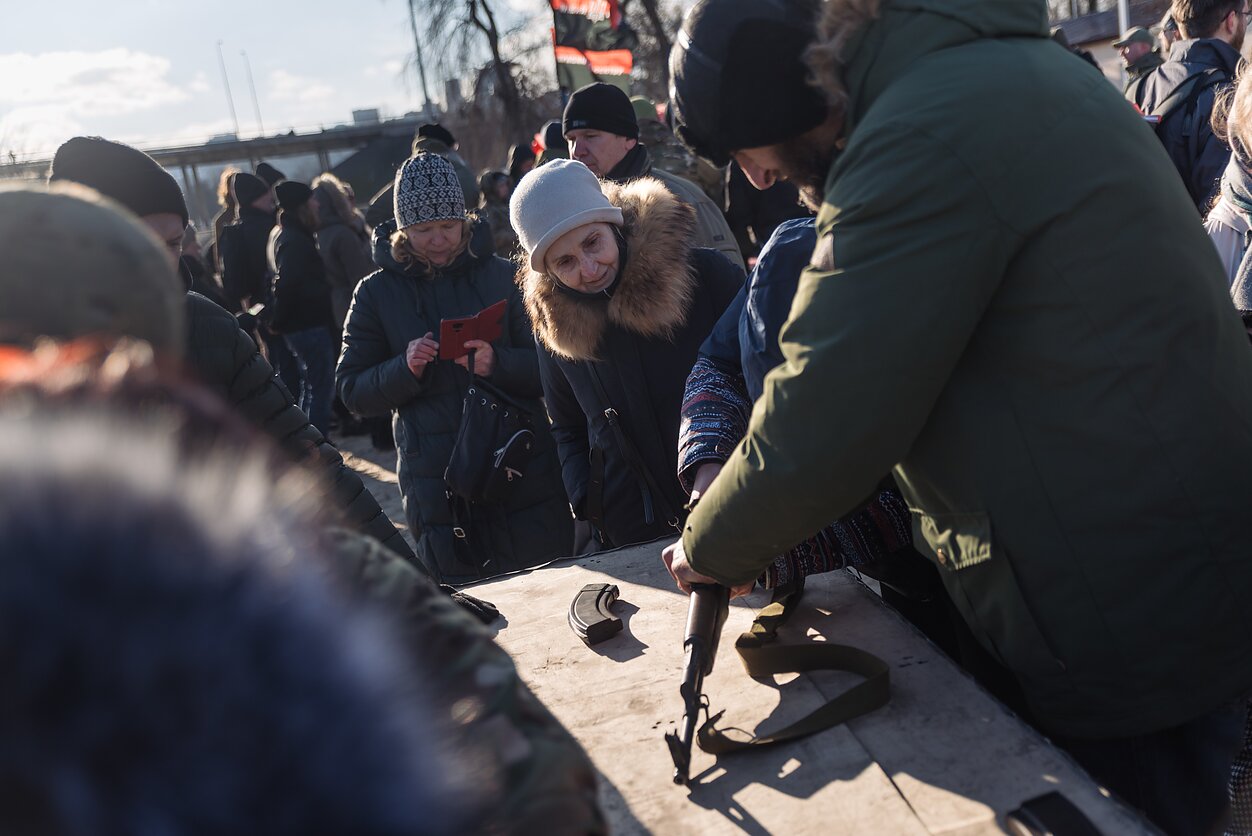
Ukraine has seemingly saved its statehood and, ultimately, its people from a cultural, if not an outright, genocide. But as casualties mount and territories are lost, Ukraine’s post-2014 strides have been interrupted.
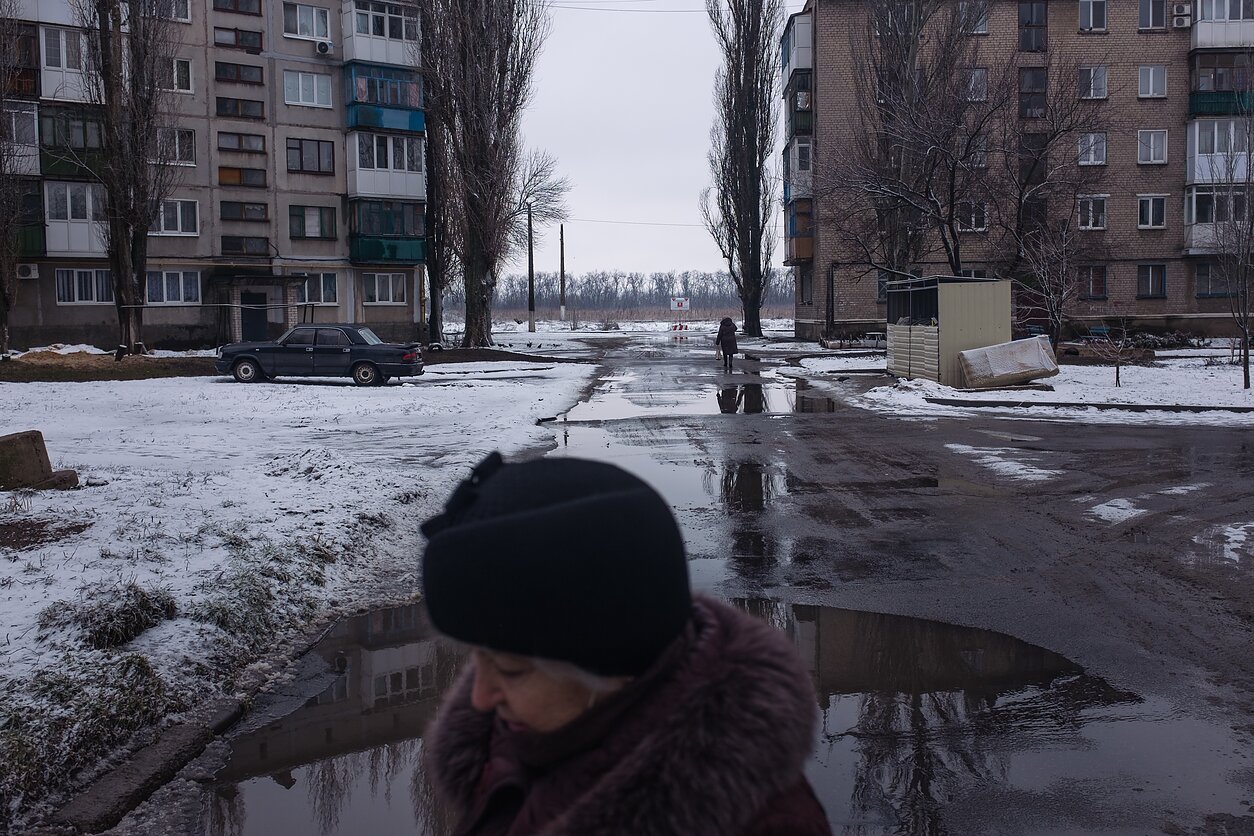
Even before the war in Donbas, towns in the Donetsk and Luhansk regions exemplified what had gone wrong in Ukraine’s post-Soviet development.
Decrepit, half-torn buildings littered the town centres, with often no more than a Second World War monument and a shop around; trolleybuses crawled across lunar landscapes that once resembled roads. Inside them, hollow metal frames stood for seats.
But by 2022, that had changed. Together with cities and towns shedding their post-Soviet drabs, Donbas and other regions were becoming more Ukrainian.
Just as Lithuania formed its national identity during its inter-war independence, the period after the Maidan revolution was crucial for Ukraine.
“The country had consolidated its understanding of the relationship between the citizen and the state and was able to rethink the Ukrainian identity,” said Černiauskas. “It is this period that is very important – maybe even decisive – in this war.”
Inside a Lithuanian-built school in Avdiivka, a Ukrainian-controlled Donetsk suburb, children were struggling to write in Russian. They now knew better Ukrainian than their parents, teachers said.
The Ukrainian language had been considered no more than a laughing stock for many in Donbas, the once pro-Russian bastion within the country. But from 2020, all state institutions, including schools, switched away from the Russian language.
The last, and arguably the strongest, umbilical cord to Moscow was being severed.
“When we look at March 11 [independence restoration in Lithuania], most of the people who rebuilt the state were born [during the inter-war years] or started school then. They know what the state is,” says Černiauskas.
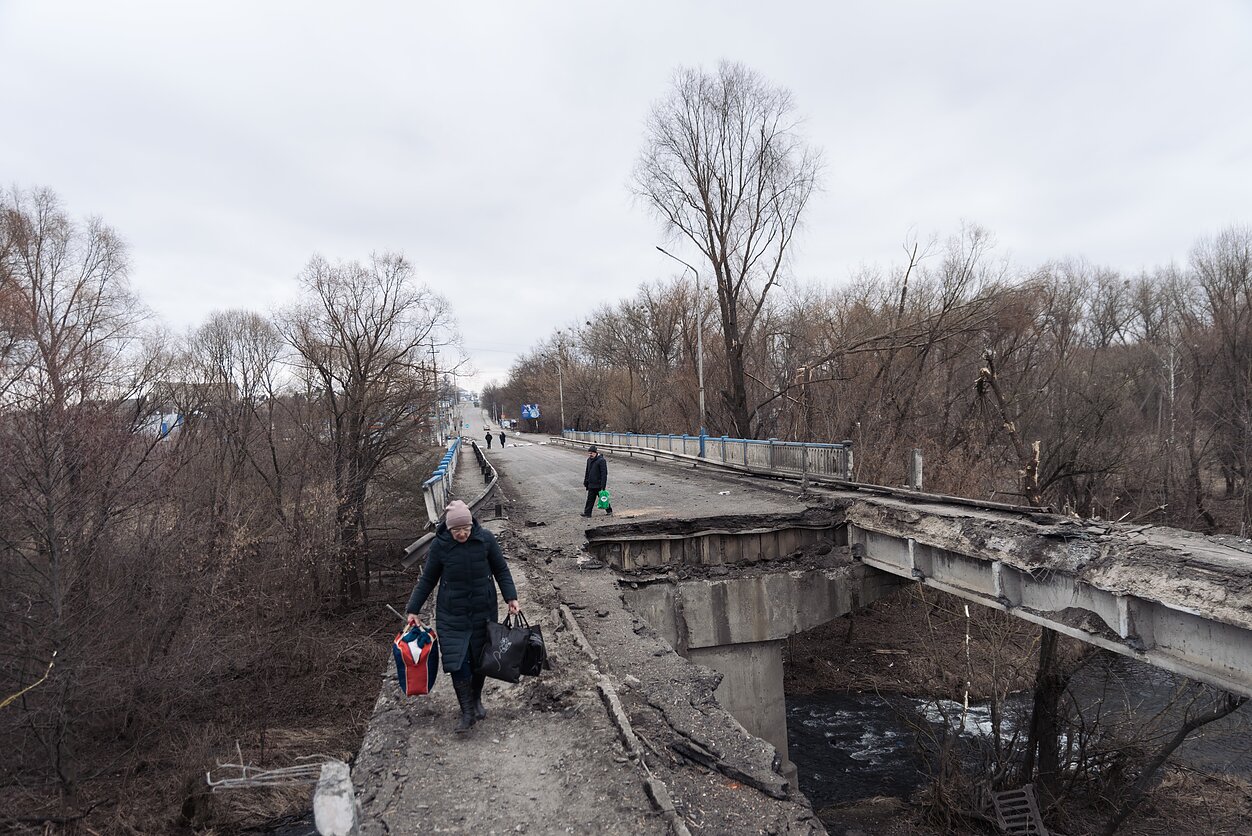
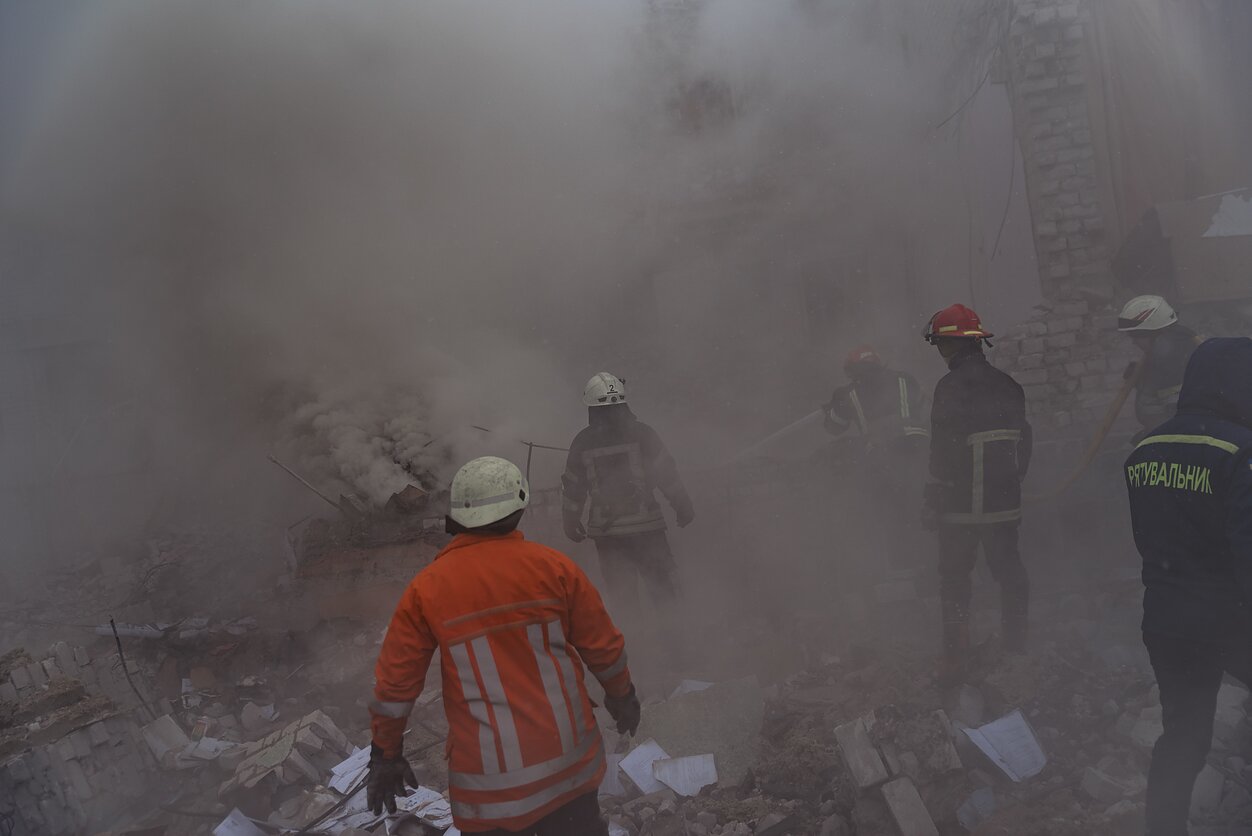
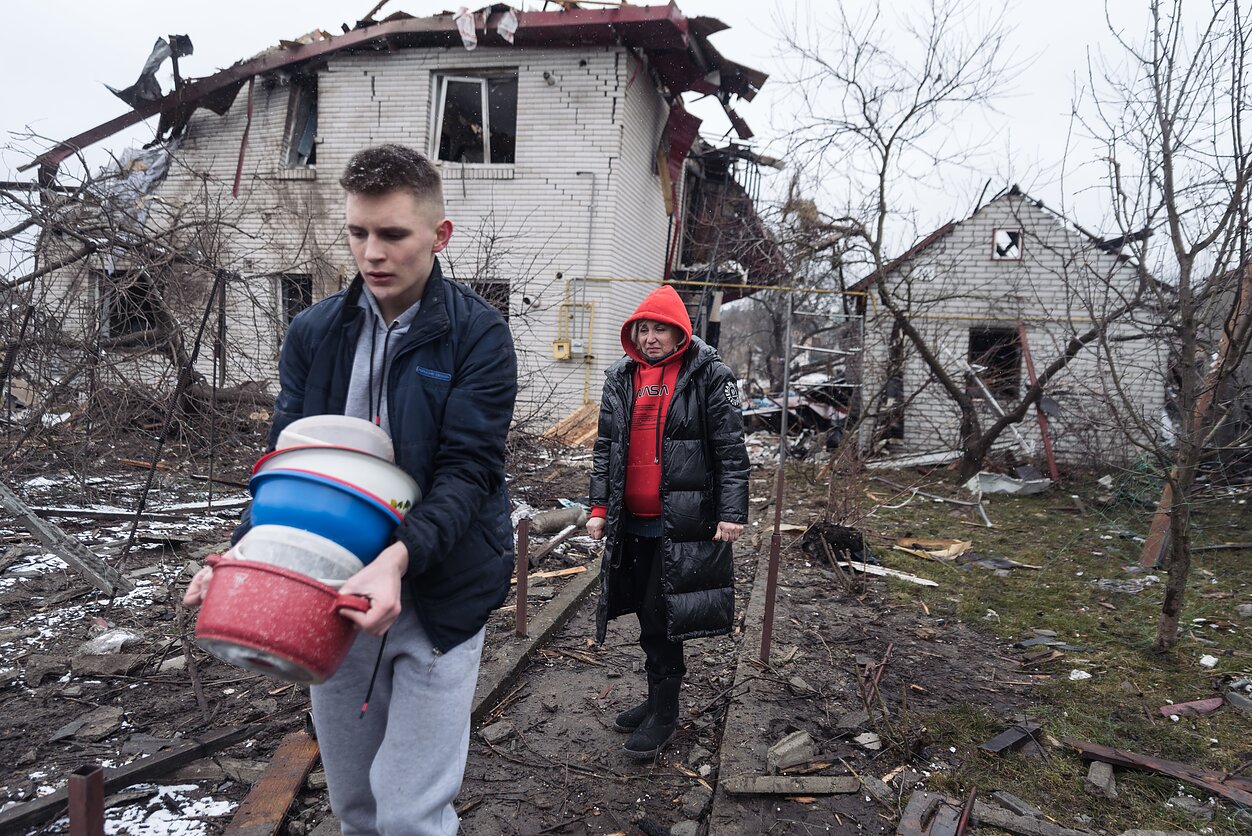
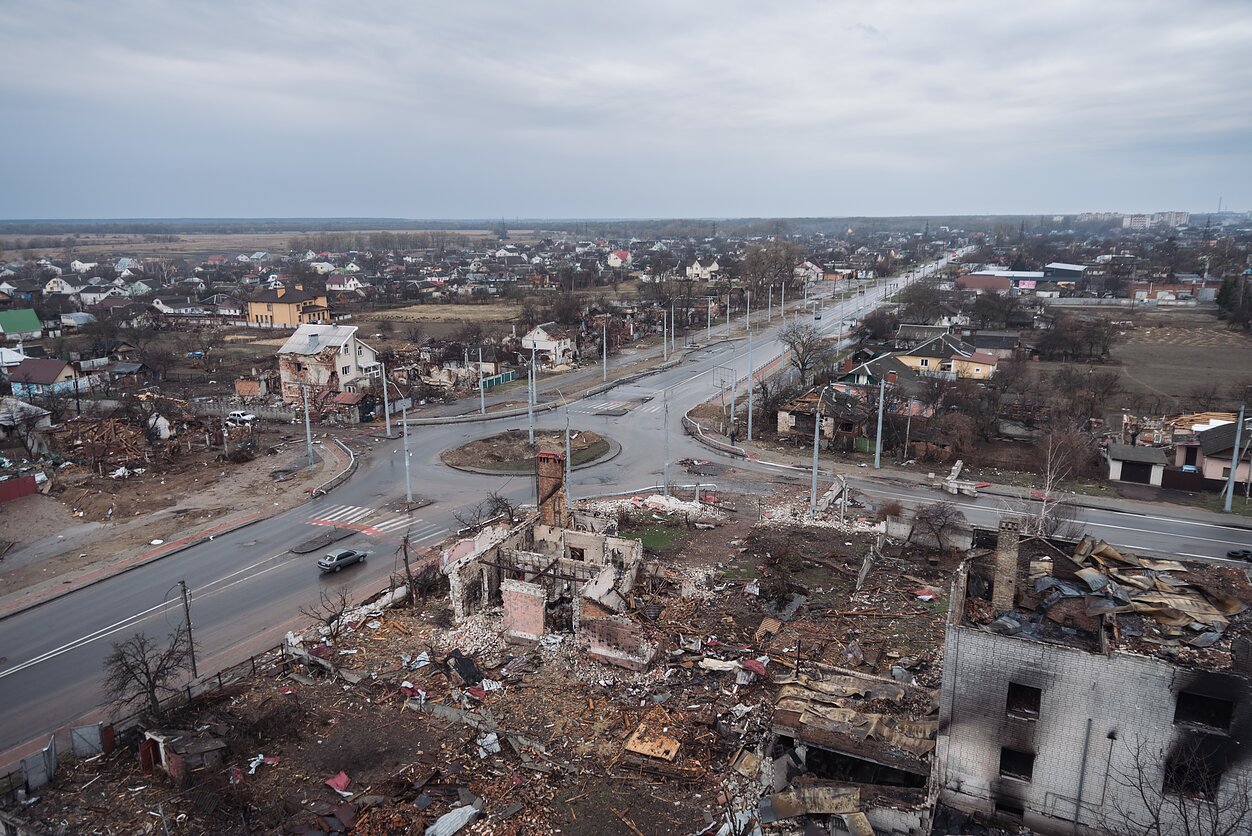
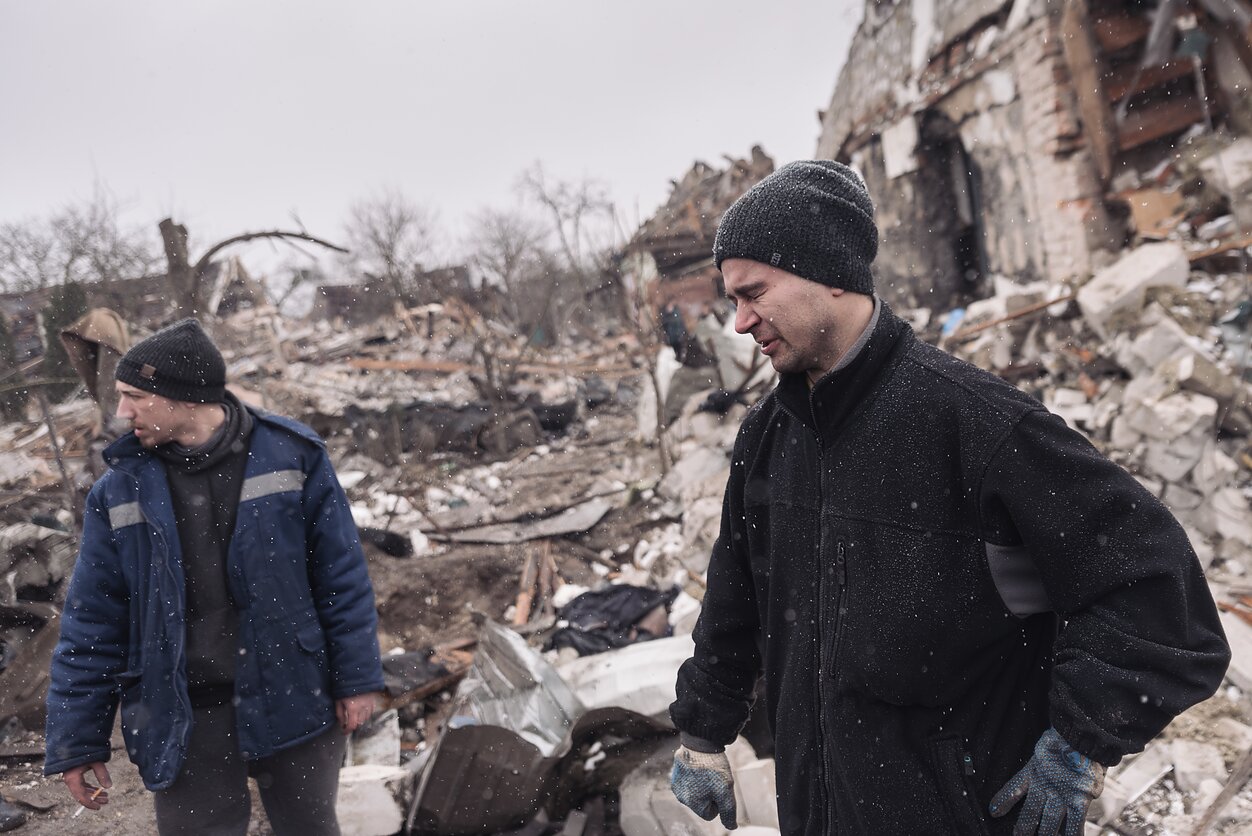
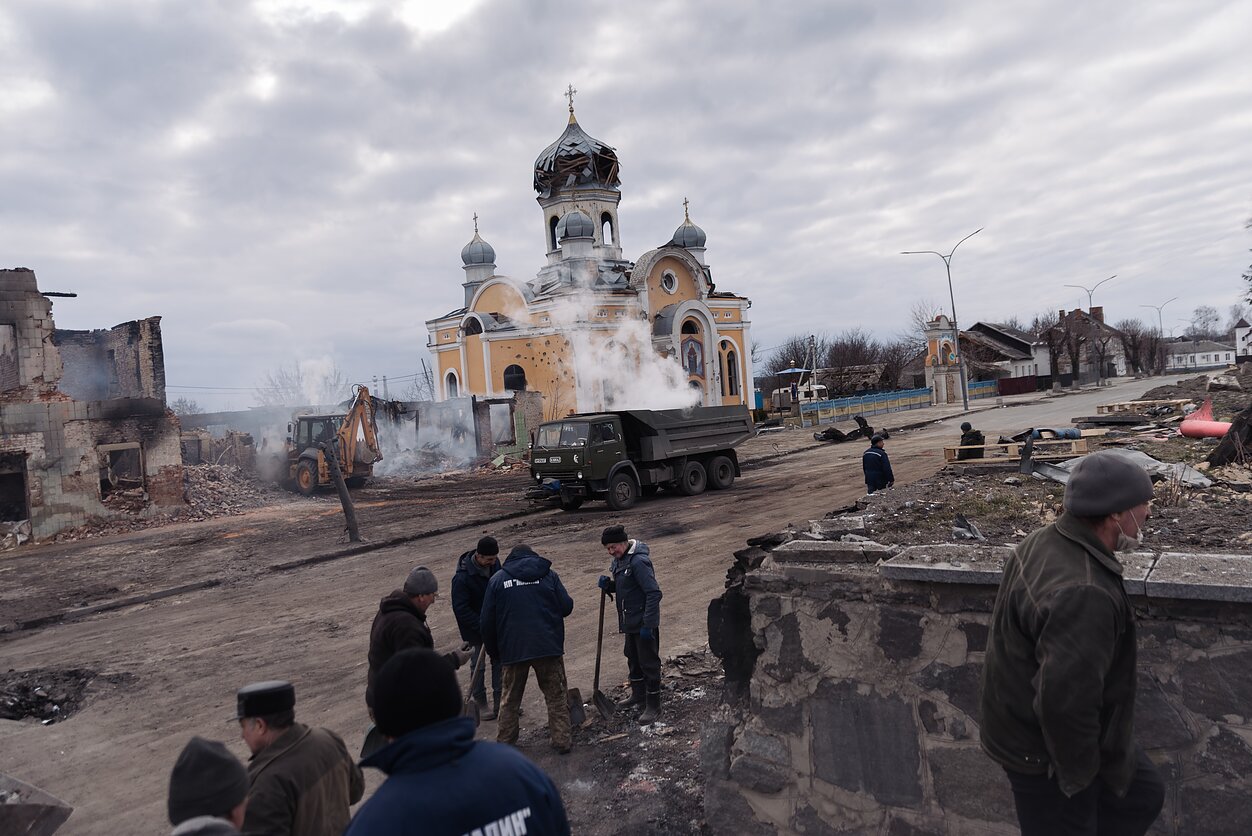
But many such schools in Ukraine now stand bombed out, with much of the Donbas territories that saw investment and infrastructure projects under shelling or already occupied.
“But despite [the war], Ukraine is stronger than at any time in 30 years – in its focus, knowing where it is headed, who the main enemy is, and not getting mixed up, as was the case before,” according to Černiauskas.
And because Ukraine is holding on, “now we have a chance to talk not about what could have been [as in Lithuania in 1940], but more about what will be”.

Back to February 2022.
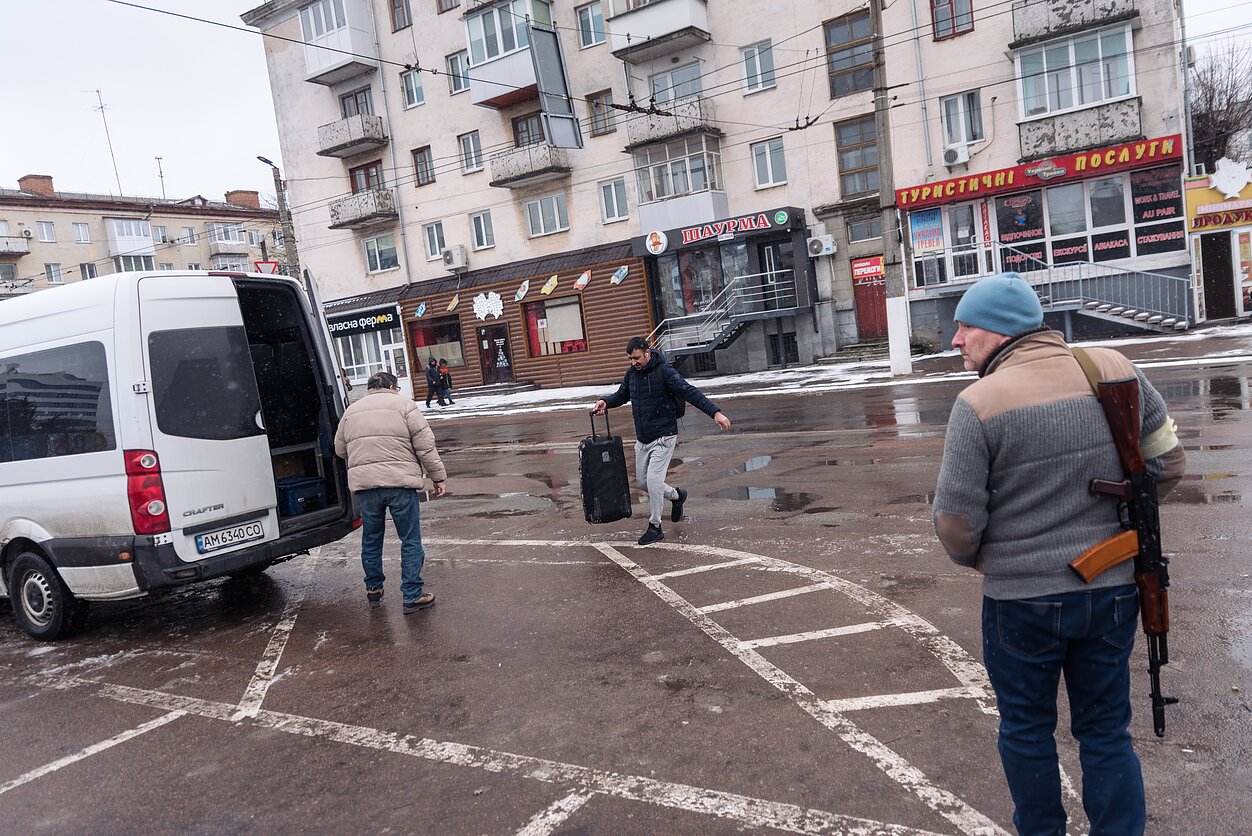
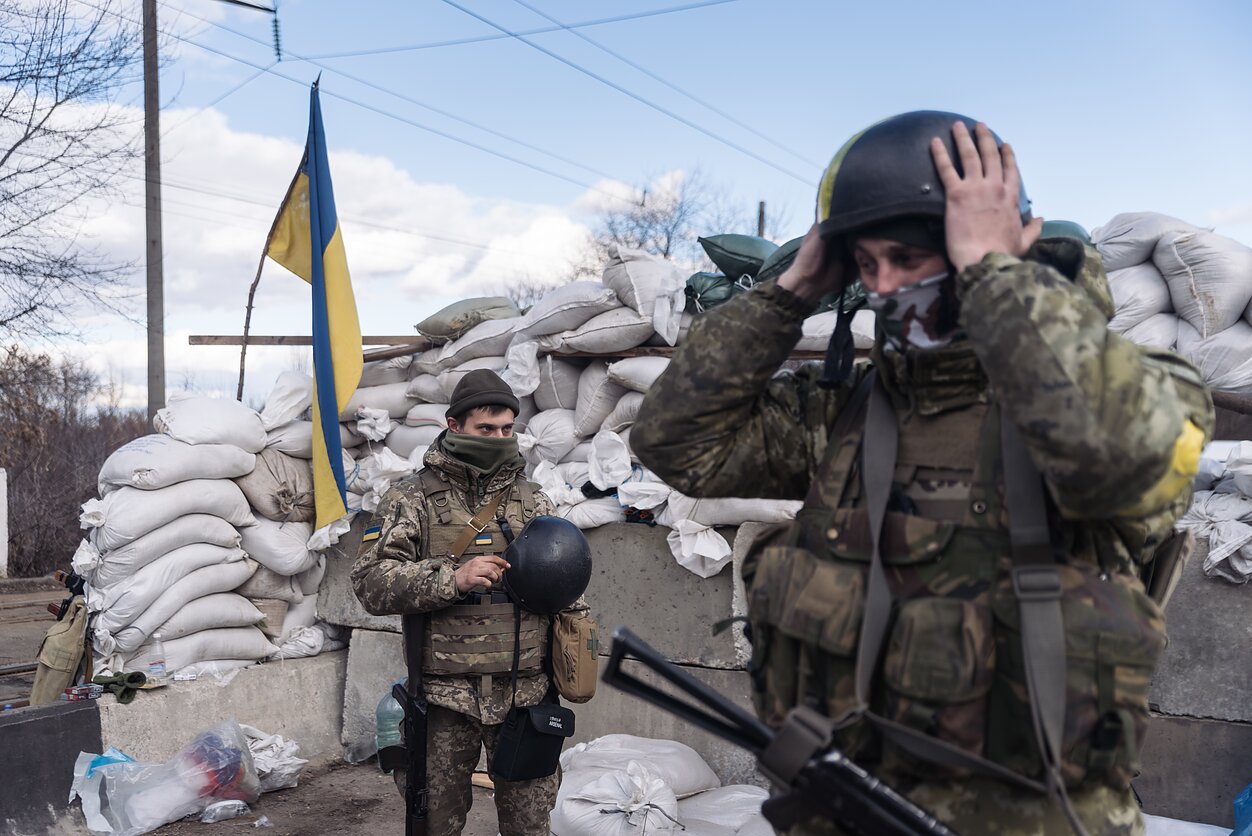
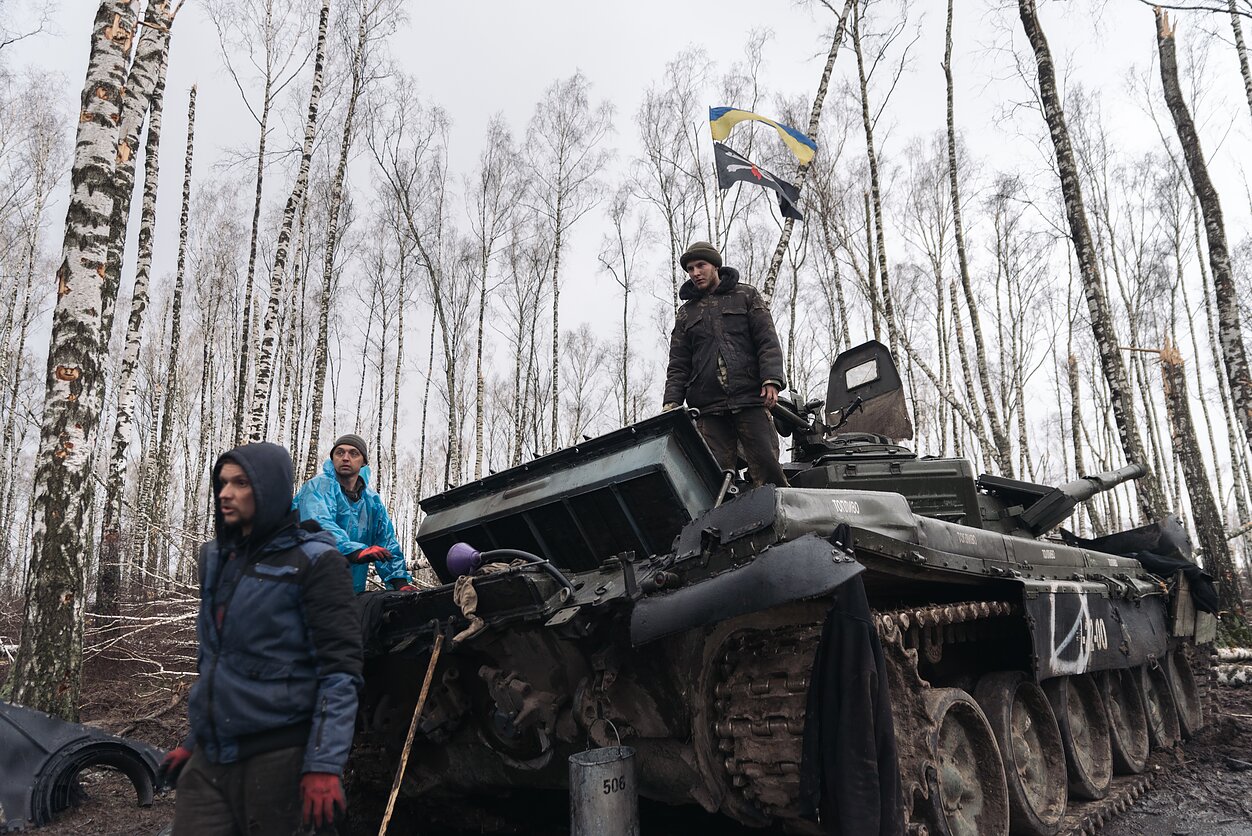
The snow was replaced by sunny afternoons, with Kyiv streets filling up with outdoor cafes and strollers. Up north, Russian tanks drew closer to the border while artillery continued thundering across the Donbas steppes.
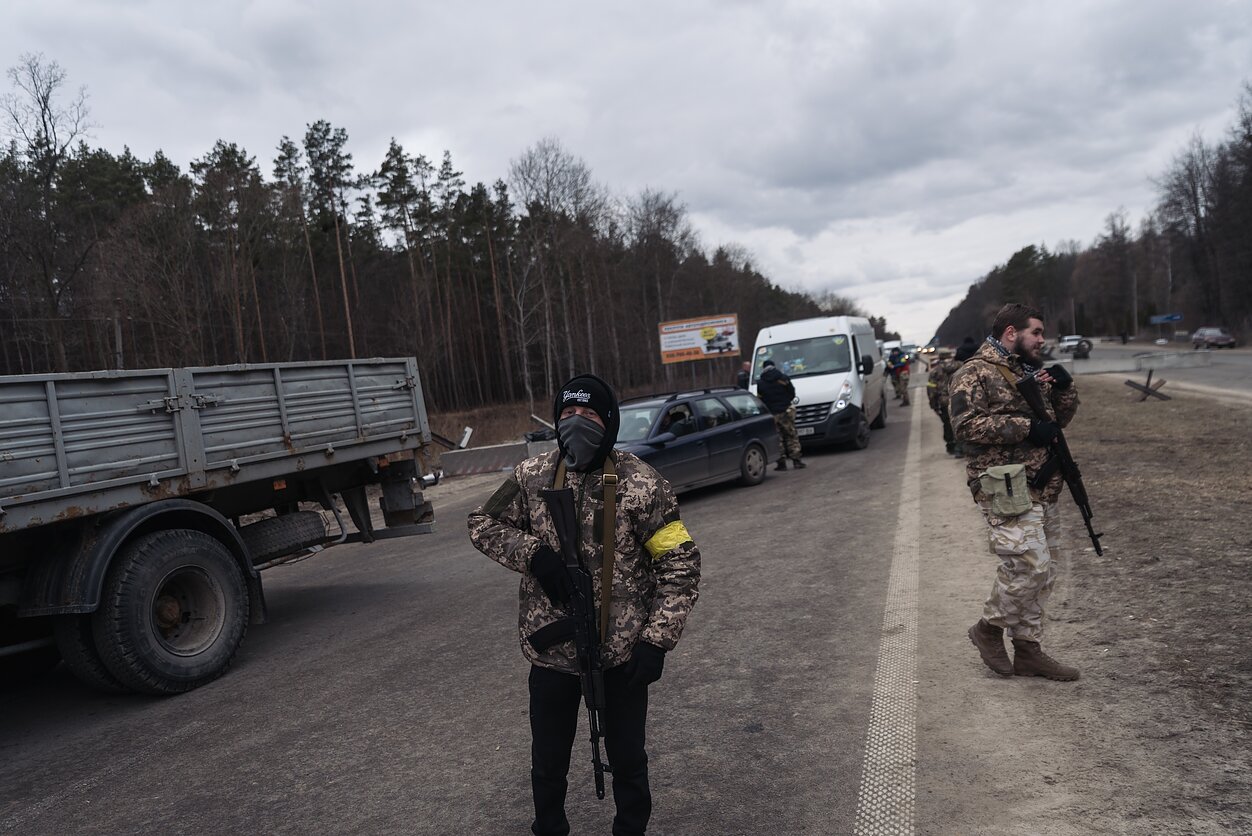
The war there had continued largely out of sight for most in Kyiv, bar soldiers, their families, and volunteers.
One such volunteer was Valentina Varava.
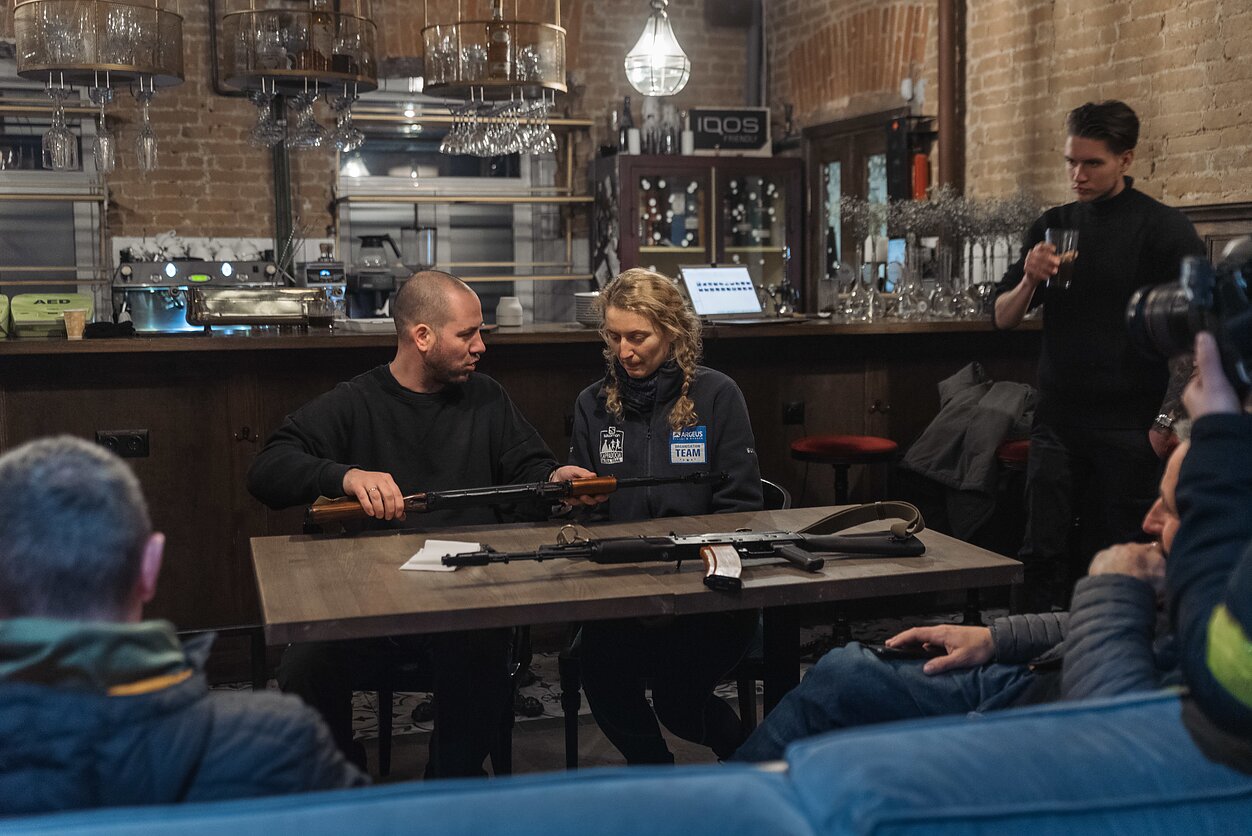
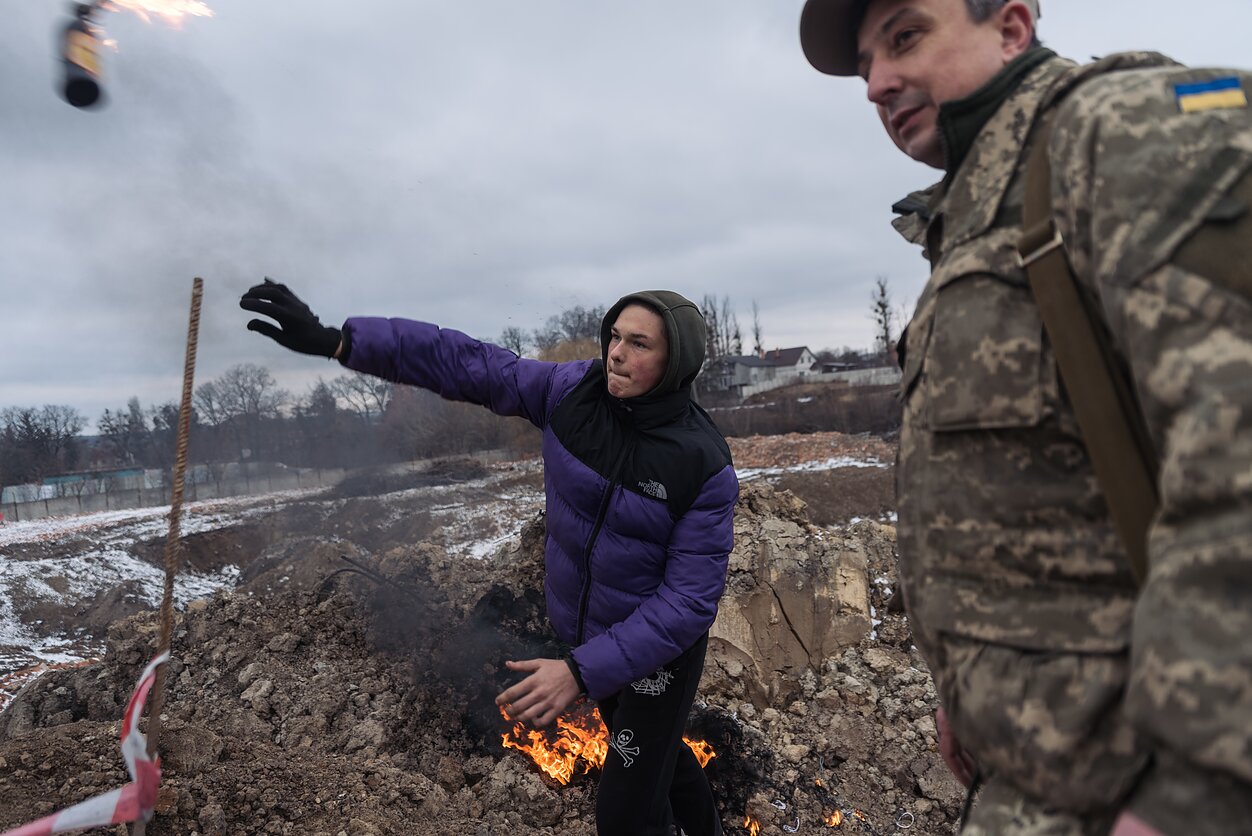
We met on an evening on February 23, just over 24 hours before the Russian invasion. Inside their headquarters, they were preparing to wage guerilla resistance against a Russian invasion.
For people like her, it seemed, the question was not if, but when the Russians would come.
She showed the interior of a large, underground shelter that could accommodate several hundred people. The location was undisclosed. “These [bunkers] do not appear on the interactive shelter map,” she said.
Varava had been at the forefront of grassroots self-organisation since the pro-European Maidan revolution.
“In different parts of Kyiv, locations are being prepared, [stocked with] food, medicines, etc,” she said. “Thank God, we are waking up.”
She pulled out a book, a guide to “total resistance”, a seven-part manual for guerilla warfare published in 1957 in Switzerland. The aim was to prepare the population to fight a potential occupation by Warsaw Pact members. The book’s downsized Ukrainian translation, Total Resistance: Instructions for Waging a Small War, was published in 2014, instantly becoming a bestseller.
“Over the years, we have formed a very large horizontal structure,” said Varava. Now, they have a person for everything. “I cannot explain what force this is.”
“In Kyiv, there are not thousands but tens of thousands like us,” she added.
But as they were preparing, others were also leaving.
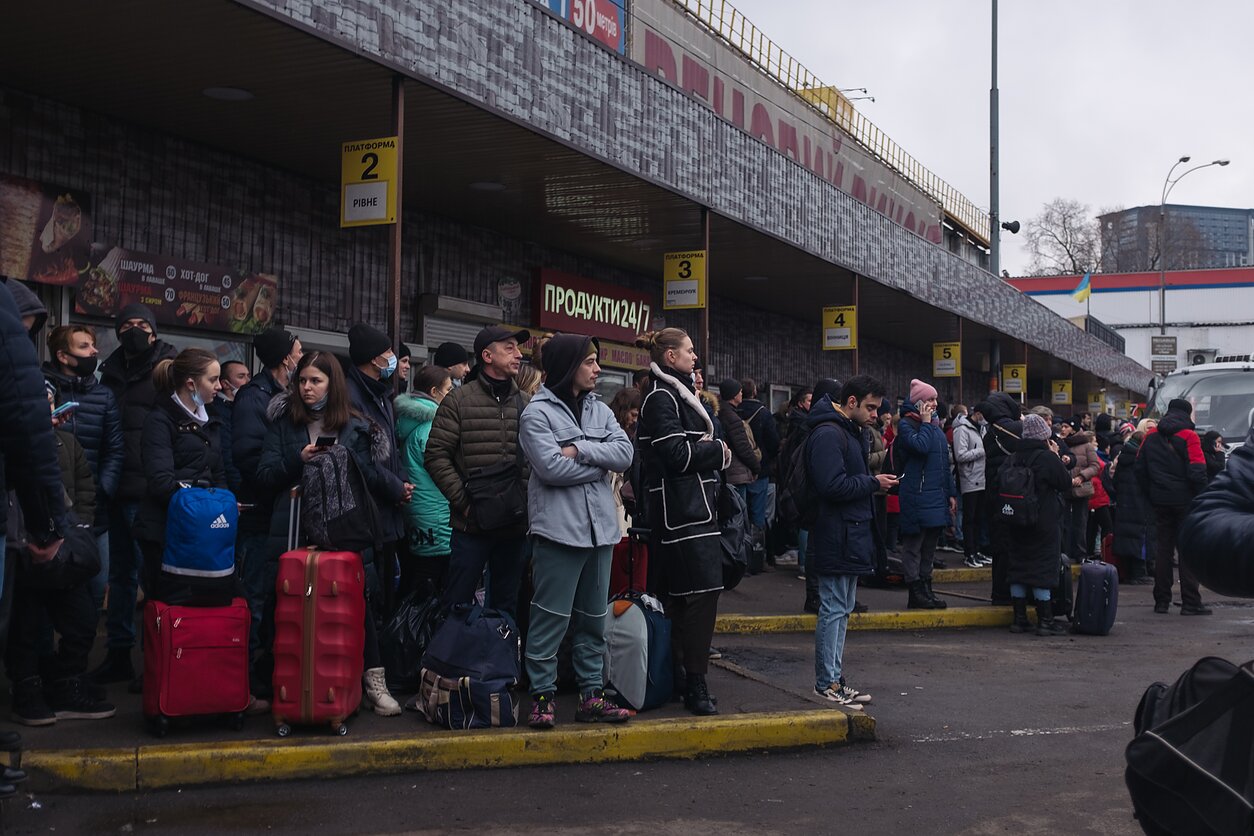
Just days before the invasion, the city’s main Boryspil airport was packed with people, bringing their children and even their pets with them out of the country.
“My husband is nervous,” said Varava. “There are some people in my close circle who have left.”
With Volodymyr Zelensky’s administration trying to balance preparations with staving off an economic collapse, the anxiety began to take hold.
Ukrainian media began publishing advice on how to deal with panic attacks, what food to stockpile, how to ‘switch off’ from the stress. Guidelines appeared on how to explain what’s happening to children.
Warnings became louder as the United States finally said, on February 23, that the Russian troops had “uncoiled” and were poised for an attack.
And then, they came.